Focused arrival windows
Useful updates and clear arrival timing.
Underground leak detection Nashua NH starts with listening, not digging. We use acoustic listening devices, thermal imaging cameras, and pressure testing gauges to pinpoint hidden pipe leaks under lawns, driveways, and slabs. If your water bill jumped or your yard stays soggy, call 603 571 4078. Our licensed team serves all of Hillsborough County with same-day and emergency response.
Useful updates and clear arrival timing.
Review the approach and price before deciding.
Equipped vehicles and respectful cleanup.
Neighbors serving neighbors with follow-through.
Every detection visit covers the full diagnostic process from pressure test to marked location. Repair is quoted separately so you can decide before we dig. Here is what is included in a standard call.
We isolate and pressurize the water system with pressure testing gauges to confirm a leak exists and estimate its size. This step takes 20 to 40 minutes and tells us which side of the system to focus on.
A technician walks the full run of the line with acoustic listening devices and confirms hits with FLIR thermal imaging cameras. We sweep under driveways, patios, and slabs, not just open lawn.
We mark the exact spot with paint and flags, usually within 12 inches. You see the location before any digging starts, and we walk you through what we found and why.
You get a plain-language summary of the leak location, the pipe material, and the recommended repair. No jargon, no upsell. If the fix is simple, we say so, and if it needs a line replacement, we quote that too.
We price the repair before we open ground. You approve the number or you do not, and there is no hourly meter running while we work. Most repairs are completed the same day as detection.
After the repair we pressurize the line again and confirm it holds. You get a dry, tested line before we pack up. If the test fails, we keep working until it passes.
Share what is happening and receive a clear next step from the local team.
Underground leak detection Nashua NH is the process of locating water, sewer, or gas leaks beneath the ground before anyone digs. We pressurize the line, then sweep the surface with acoustic listening devices and ultrasonic leak detectors to hear the water escaping. Thermal imaging cameras from FLIR confirm temperature differences where moisture sits under slabs or pavement. Once we mark the spot, we verify with pipe inspection cameras and moisture meters. No exploratory trenching. No torn-up lawn guessing where the break is.
Nashua's older housing stock, especially around Crown Hill and French Hill, still runs on original copper pipe and cast iron that has been in the ground for decades. Frost heaves each winter shift soil, stress joints, and open pinholes. We also see underground water line leaks in newer PEX tubing where fittings were crimped too tight. When you search for underground leak detection near me Nashua NH, you want a crew that knows how these lines fail here, not a generic plumber with a shovel.
You call 603 571 4078 and describe what you are seeing: high bill, wet spot, sound of running water, or a gas smell. We ask a few questions to narrow the likely culprit, then schedule a visit. Most Nashua calls get a same-day or next-morning slot, and emergencies get dispatched 24/7.
We isolate the water system and pressurize it with pressure testing gauges. If the gauge drops, we know there is a leak and roughly how big it is. This step takes 20 to 40 minutes and tells us whether the problem is on the supply side or the drain side.
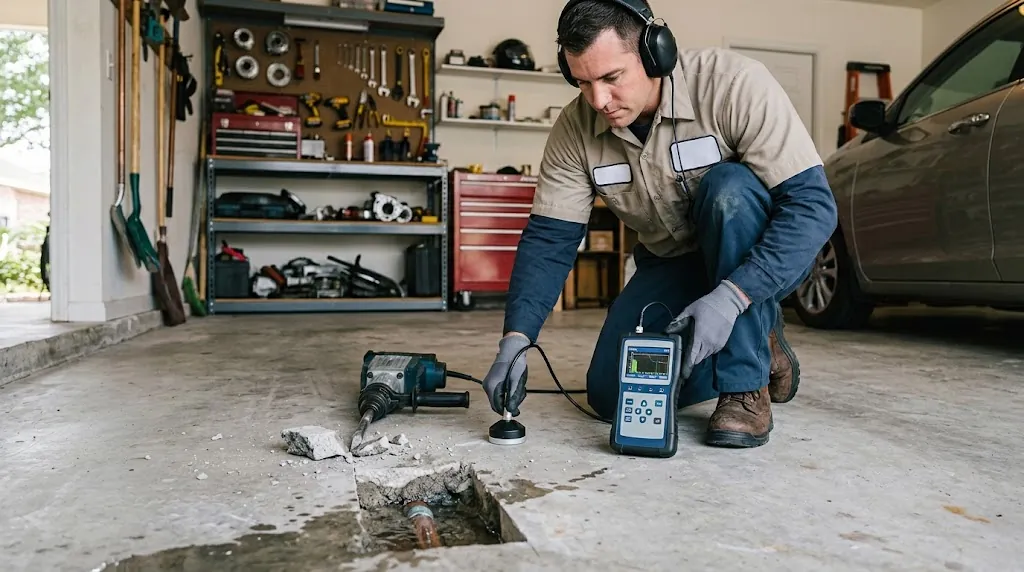
Our technician walks the property with acoustic listening devices and ultrasonic leak detectors, headphones on, listening for the hiss of escaping water. We sweep the full run of the line, including under driveways and patios. This is where most underground water line leaks get pinpointed.
We confirm the acoustic hit with thermal imaging cameras from FLIR, then run a pipe inspection camera through the line if access allows. Two independent tools agreeing on the same spot means we dig once. This confirmation step takes another 30 to 45 minutes.
We mark the exact spot with paint and flags, walk you through what we found, and give you a repair price before we touch a shovel. If you approve, we handle the repair and re-test the line before we leave. Most repairs are done the same day.
Our first tool on almost every underground job. We sweep the full line and listen for the hiss of escaping water, narrowing the search to a 12-inch window before we dig.
Reads the temperature difference where water sits under a slab or pavement. Confirms acoustic hits fast, especially on slab leaks and buried lines with no surface evidence.
Used when water is not moving, like dormant irrigation lines or gas lines. We inject a safe tracer gas and read where it escapes at the surface.
Confirms a leak exists and estimates its size before we sweep. Tells us whether the problem is on the supply side or the drain side in 20 to 40 minutes.
General Pipe Cleaners cameras let us see inside the line. We use them to confirm cracks, root intrusion, and separated joints in sewer and drain lines before excavation.
Picks up high-frequency sound that the human ear misses. Useful on small leaks and on lines buried deeper than acoustic gear can reach cleanly.
Reads moisture content in concrete and soil. We use them to trace where water is migrating and to rule out roof, foundation, and fixture leaks before digging.
We isolate the supply system from the drain system and pressurize each side separately. This tells us which side is leaking and how big the loss is before we sweep a single foot of line.
Two sensors placed on the line pick up the leak sound at slightly different times. The difference pinpoints the leak location to within inches, which is how we keep excavation small.
We walk the slab or pavement with a FLIR camera and map temperature differences. Wet soil and escaping water read differently than dry ground, which confirms the acoustic hit.
For lines where water is not moving, we inject a safe tracer gas and read its escape at the surface with Sewerin detectors. This works on dormant irrigation lines and gas lines.
Before we dig, we run a pipe inspection camera through the line where access allows. Seeing the crack or separated joint on screen removes the last bit of doubt about the location.

We pressure test the main service line from the meter to the house, then sweep it with acoustic gear. Most of these turn out to be a pinhole in the underground run, which we mark and repair. Bill returns to normal within one billing cycle, usually after a single small excavation.
We run thermal imaging and acoustic detection across the wet area and the full line run. The wet spot is usually within a few feet of the actual break, and we confirm the exact spot before digging. One access hole, one repair, and the lawn recovers within a few weeks.
We check the water heater, faucet cartridges, and supply fittings first, then move to slab and underground testing if those check out. Thermal imaging cameras show where the moisture is coming from. You get a clear answer on whether it is a slab leak, a fixture leak, or a foundation issue, and a repair plan for the right one.
Gas line leaks need tracer gas detectors and a pressure test, not acoustic gear. We handle detection under the NH Master Plumber License and coordinate the repair to current code. The leak is located and repaired safely, and the line is pressure tested before we leave.
We run a pre-purchase leak inspection that pressure tests the supply and drain lines and cameras the sewer if access allows. You get a written summary of what we found. You know what you are buying before closing, and you can negotiate repairs with real numbers instead of guesses.
Nashua sits on a mix of glacial soil and older utility infrastructure, and that combination drives most of the underground leaks we see. Frost depths here reach 48 inches in a hard winter, and the freeze-thaw cycle each spring shifts soil enough to stress joints and open pinholes in copper pipe. Older homes in Crown Hill, French Hill, and the Tree Streets often still run original galvanized or copper service lines that have been in the ground for 50 years or more. Newer builds in Nashua Highlands and the Exit 8 Neighborhood use PEX tubing, which fails differently, usually at crimp fittings that were set too tight. We also handle a lot of slab leaks in the South End and Bicentennial, where 1950s ranches sit on concrete slabs with copper lines running through them. When you need emergency underground leak detection Nashua New Hampshire, we dispatch 24/7 and keep acoustic and thermal gear loaded so the first truck on site can diagnose. If you are searching for how to find an underground leak in Nashua, the answer is the same every time: pressure test, sweep, confirm, then dig once.
Older housing stock with original copper and galvanized service lines. Frost heaves here open joints and pinholes more often than in newer parts of the city.
Newer builds with PEX tubing. Most leaks we find here are at crimp fittings that were over-tightened during installation, not in the pipe itself.
1950s ranch homes on concrete slabs. Slab leaks are common, and thermal imaging cameras do most of the work before we open any concrete.
Dense older neighborhood with short service line runs and mature trees. Root intrusion into sewer and drain lines is a frequent call here.
Mixed residential and light commercial. Larger supply lines and irrigation systems mean we run tracer gas detection more often than in purely residential areas.
Freezing soil shifts and stresses buried lines, opening joints and pinholes. Most of our spring call volume comes from leaks that started during the freeze.
Water migrates unpredictably through this soil, so the wet spot on the surface is often several feet from the actual break. Acoustic and thermal tools close that gap.
These materials corrode from the inside out. A line that looks fine on the outside can be paper-thin at the leak point, which is why we camera and pressure test before quoting a repair.
Pressure spikes stress older joints. We test at working pressure so our results match what the line sees in normal service, not a low-pressure test that misses small leaks.
Homeowner's water bill went from $78 to $210 in two months. No visible leak inside or outside. The main service line was original 1960s copper running under the front lawn.
We pressure tested, swept with acoustic gear, and marked the pinhole within 10 inches. One 2-foot access hole, one repair, and the bill dropped back to $82 on the next cycle.
Maintenance: We recommended a full line replacement within five years, since the rest of the copper is the same age. Annual pressure testing catches the next pinhole before it becomes a bill spike.
Damp carpet along one wall of a 1955 ranch. Homeowner had already replaced the carpet once. A plumber told them it was a foundation issue and quoted $9,000 in repairs.
Thermal imaging found the hot spot under the slab in 40 minutes. It was a copper supply line leak, not a foundation problem. We repaired the line through a small access point for $1,450 total.
Maintenance: We pressure tested the rest of the slab lines and found no other issues. A moisture meter check each fall keeps an eye on the repaired area.
Soggy patch in the side yard of a 2015 build. Homeowner assumed it was irrigation. The sprinkler system tested clean, but the water bill was up $90 a month.
Acoustic sweep found a failed crimp fitting on the main service line 18 inches down. We repaired the fitting, re-tested the line, and the bill returned to normal in one cycle. Total cost: $520.
Maintenance: We flagged two other fittings on the same run that looked over-crimped. Homeowner had them replaced proactively for $180 rather than waiting for the next failure.
Most underground leaks announce themselves in one of a few ways: a climbing water bill, a soggy patch, a sound of running water when everything is off, or a drop in water pressure. Here is what we fix and why it matters.
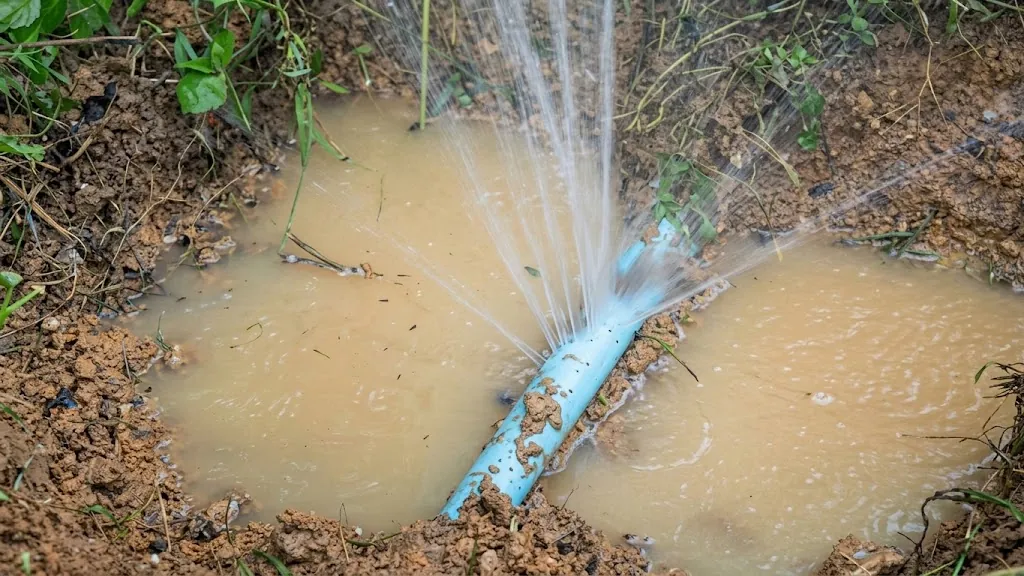
A pinhole in a copper pipe can waste 8,000 to 15,000 gallons a month, adding $60 to $140 to every bill and running continuously until the line is fixed. We pressure test the supply line, sweep it with acoustic listening devices, and pinpoint the break. Most Nashua homeowners see the bill return to normal on the next cycle after repair.
Standing water kills grass, attracts mosquitoes, and signals a line break that will only get bigger. Left alone, it can undermine a driveway, patio, or footing. We use thermal imaging cameras and moisture meters to trace the water to its source, then mark the leak within about 12 inches so the repair opens one small area, not the whole lawn.
That hiss is water escaping under pressure. It can be a slab leak, a hidden pipe leak, or a failed main service line, and it will not stop on its own. We isolate the system, confirm the leak with pressure testing gauges, and sweep the line with ultrasonic leak detectors. The sound usually leads us straight to the break.
Falling pressure often means a supply line is losing water underground. It gets worse over time and can leave you without usable water pressure at the tap. We test the main service line and the interior plumbing separately to find where the pressure is going. Once located, we quote the repair and restore full pressure before we leave.
Nashua LeakDetectors has been in business since 2010, and in 16 years we have located thousands of hidden pipe leaks across Hillsborough County. Our technicians hold the NH Master Plumber License and carry Backflow Prevention Certification, so we can test and repair supply lines without calling in a second contractor. We train on RIDGID, Sewerin, and General Pipe Cleaners equipment and recertify on IAPMO standards every cycle. That mix of licensing and tooling is why we can tell you where the leak is, not just that one exists.
My water bill doubled in two months and I could not find anything wrong inside. These guys came out, pressure tested the line, and had the leak marked in the front yard in under two hours. One small hole, one repair, bill back to normal. Way better than the trench I was expecting.
We had a soggy patch next to the driveway that kept getting worse. They used thermal imaging and acoustic gear and found a cracked copper pipe about 14 inches down. Marked it, quoted the repair, fixed it the same day. No drama, no surprise charges. I have already recommended them to two neighbors.
I manage a small commercial building and we had a water line leak under the parking lot. They scheduled after hours so tenants were not disrupted, located the break with tracer gas, and coordinated the repair. Clean work, clear pricing, and they re-tested the line before they left.
Most residential detection jobs in Nashua run $350 to $750 in 2026, depending on line length and access. A simple yard line takes two to three hours. Slab leaks and gas line work run higher because they need more equipment time. The detection fee is separate from the repair, and we quote the repair before we dig.
We pressurize the line, then sweep it with acoustic listening devices and ultrasonic leak detectors to hear the water escaping. Thermal imaging cameras confirm the temperature difference at the surface. On tough jobs we add tracer gas detectors or a pipe inspection camera. Two tools agreeing on one spot means we dig once.
Yes. Acoustic, thermal, and tracer gas methods all work from the surface. We only open ground after we have marked the location within about 12 inches. That is the whole point of subsurface leak detection Nashua: find it first, dig once, restore a small area instead of a trench.
Nashua LeakDetectors does, and we have since 2010. We hold the NH Master Plumber License and serve all of Hillsborough County, including Downtown Nashua, the North End, Crown Hill, French Hill, the South End, and Nashua Highlands. Call 603 571 4078 for same-day or emergency dispatch.
Not seeing your question? Our local team can help you understand urgency, scheduling and what to expect.
Ask the local team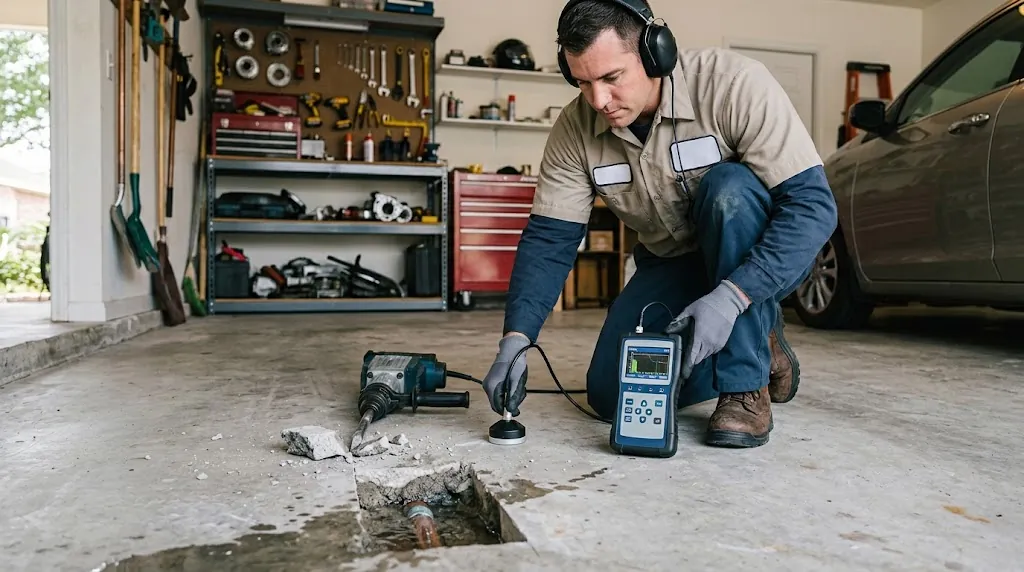
Most of our underground work starts as a residential call: a high water bill or a soggy patch in the yard. We trace the line from the meter to the house and pinpoint the break before any digging starts.
View service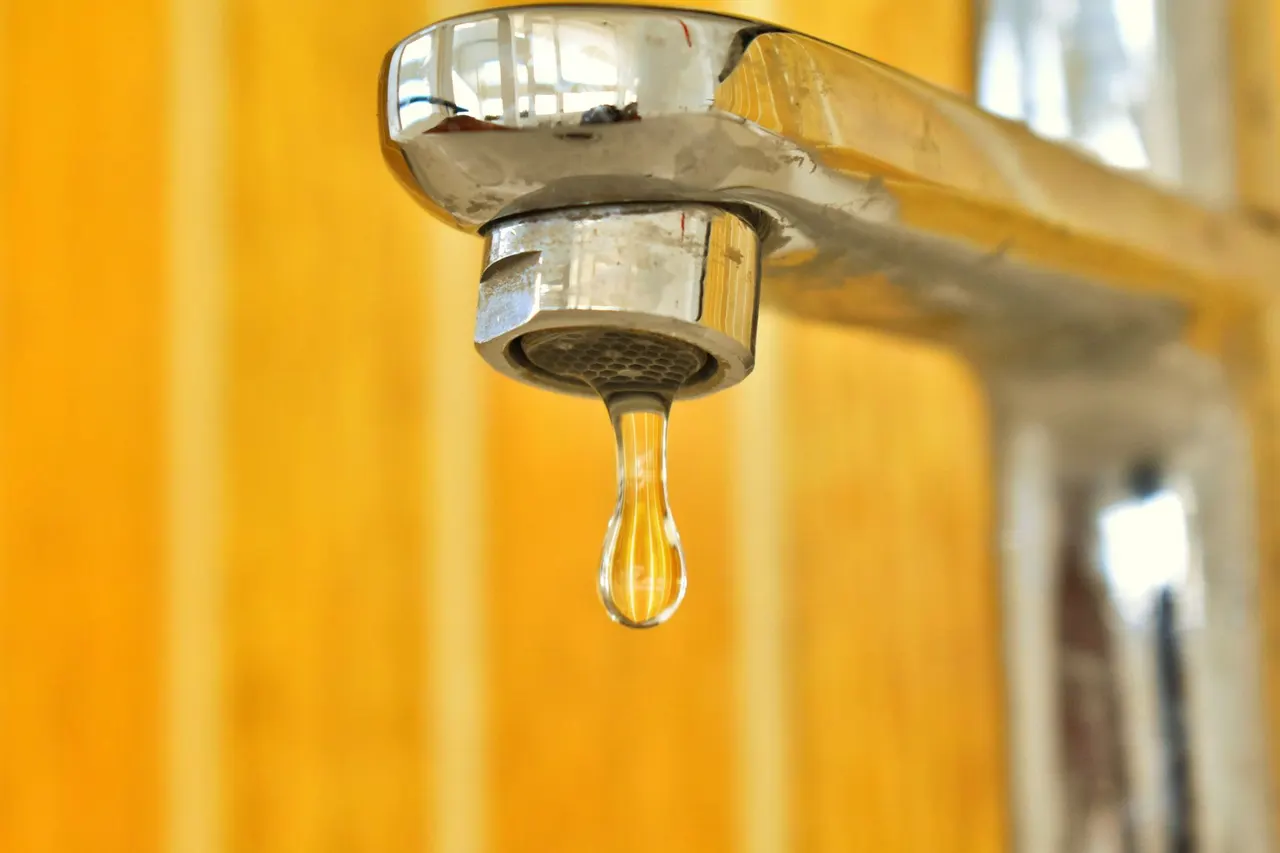
Nashua storefronts and office parks on Amherst Street and the Nashua Mall Area run larger supply lines. We schedule after-hours detection so your business stays open while we locate the leak.
View serviceWhen the leak is under a concrete slab, acoustic gear alone is not enough. We combine thermal imaging cameras with pressure testing gauges to confirm the spot before any concrete is opened.
View servicePool lines run underground and lose water slowly. We pressure test the return and supply lines separately, then use acoustic listening devices to hear the leak in the buried run before we dig up decking.
View serviceCall 603 571 4078 any hour, day or night, and a real person answers. We schedule same-day appointments for most leak calls in Nashua and the surrounding Hillsborough County area, and we confirm your window before we roll a truck.