Focused arrival windows
Useful updates and clear arrival timing.
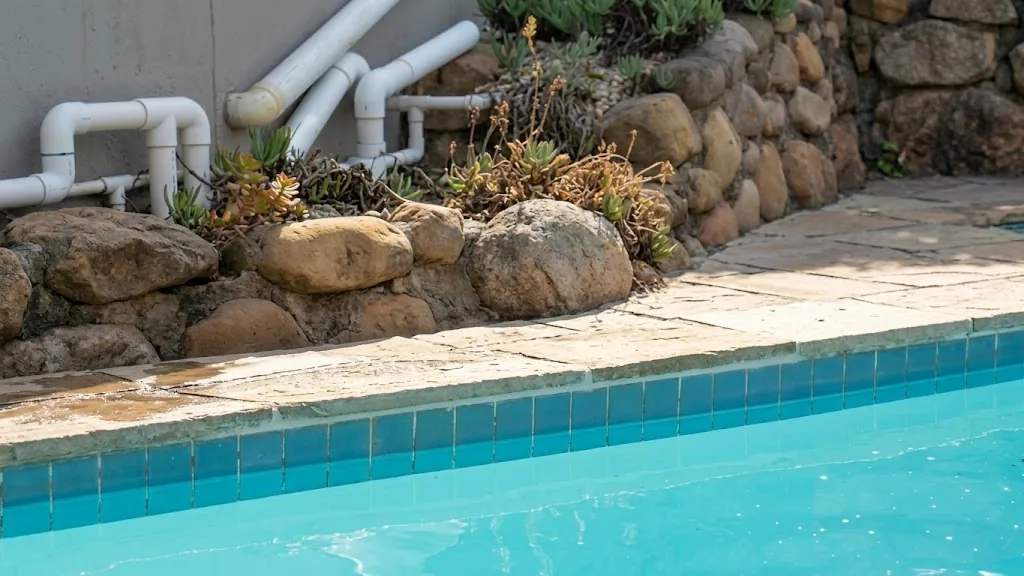
Pool leak detection Nashua NH is the fastest way to stop a pool from losing water, wrecking pump equipment, and driving up your water bill. We handle inground and above ground pools across Hillsborough County with acoustic listening devices, pressure testing, and thermal imaging. If you are searching for swimming pool leak detection in Nashua, we find the leak, mark it, and give you a repair plan the same day.
Useful updates and clear arrival timing.
Review the approach and price before deciding.
Equipped vehicles and respectful cleanup.
Neighbors serving neighbors with follow-through.
Every pool leak detection visit covers the full diagnostic. We do not charge extra for the tools or the time it takes to be sure. Here is what you get, and what we handle as a separate repair once the leak is found.
We check the skimmer, light niche, return fittings, main drain, and equipment pad before we touch the electronics. Dye testing at the shell and a moisture meter at the pad catch the obvious leaks fast.
Return lines, suction lines, and the main drain get isolated and pressurized one at a time. A line that will not hold pressure has a break, and we know which one before we dig.
Acoustic listening devices, FLIR thermal imaging, and Sewerin tracer gas detection are included. We use whichever method fits the leak, and we do not charge extra for the equipment.
We mark the leak on the deck or the ground and photograph it. You get a clear target for the repair, so nobody opens more deck than necessary.
Before we leave, you get a written summary of what we tested, what we found, and what the repair costs. No waiting for a callback, no vague verbal estimate.
Share what is happening and receive a clear next step from the local team.
Pool leak detection Nashua NH is a diagnostic service that pinpoints where water is escaping from your pool shell, plumbing lines, skimmer, or equipment pad. A pool that drops more than two inches in 24 hours is losing water somewhere. We pressure test the return and suction lines, listen for the hiss of escaping water with acoustic listening devices, and scan the shell and deck with thermal imaging cameras. Most leaks show up at the skimmer throat, the light niche, a cracked return fitting, or an underground line that has shifted with frost.
Nashua pools take a beating. Frost heaves in late winter shift the ground around buried lines, and by July the deck joints open up. We see it every season in the South End and Nashua Highlands, where older pools sit on clay-heavy soil that moves. If you have been typing pool leak detection near me Nashua NH into your phone while watching the water level drop, that is exactly the call we take. We also handle pool leak repair Nashua homeowners need after we find the break.
You tell us the symptoms: how many inches per day, whether the pump loses prime, if the deck is wet in one spot. We ask for your ZIP code and pool type. Two minutes on the phone usually tells us whether this is a shell leak, a plumbing leak, or an equipment leak.
A technician arrives with pressure testing gauges, moisture meters, and a dye test kit. We check the skimmer, light niche, return fittings, main drain, and equipment pad first. That visual pass catches about a third of leaks before we break out the electronics.
We isolate each plumbing line and pressurize it. A line that will not hold pressure has a break. We test return lines, suction lines, and the main drain separately, usually in under an hour for a standard inground pool.
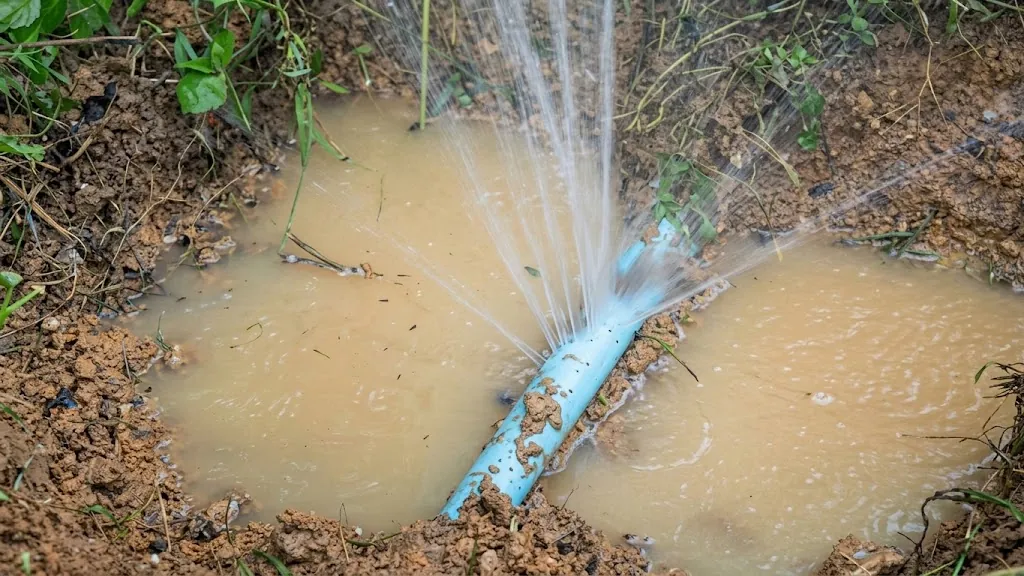
For underground leaks we use acoustic listening devices and a FLIR thermal imaging camera to hear and see the escaping water. Tracer gas detection is the backup for quiet leaks in PVC pipe. This is the step that keeps us from digging in the wrong place.
We mark the leak location, photograph it, and walk you through the fix. Minor repairs like a skimmer gasket or a return fitting we handle on the spot. Underground line repairs get scheduled, and we pressure test again after the repair before we call it done.
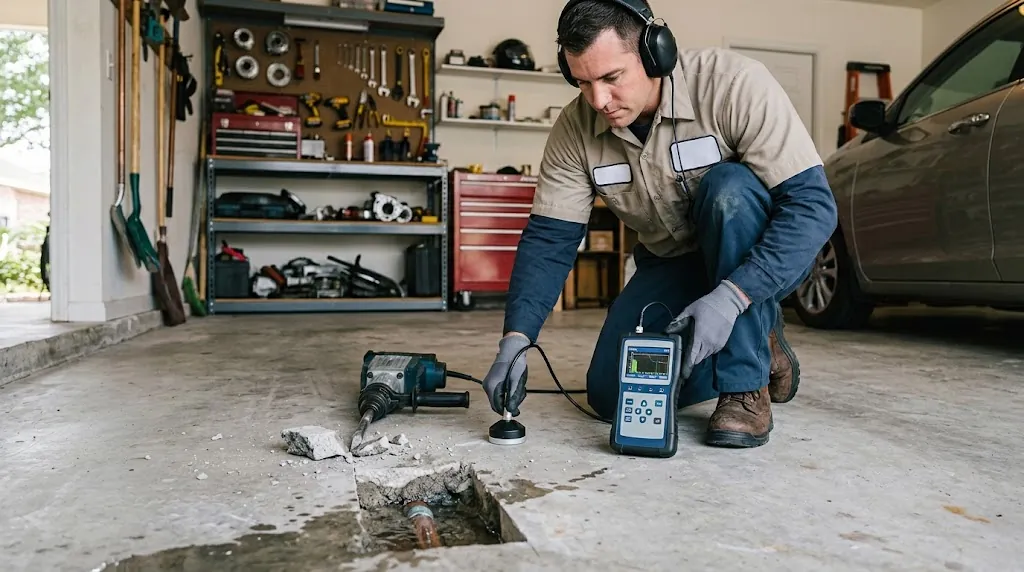
We press a ground microphone to the deck and listen for the hiss of pressurized water escaping a buried line. It pinpoints the leak to within a foot on most pool return lines.
Thermal imaging shows temperature differences where water is escaping under the deck. It is the go-to tool for PVC lines that make no audible sound.
We inject a tracer gas into an isolated line and follow the concentration to the surface. It finds quiet leaks that acoustic gear misses.
We isolate each line, pressurize it, and watch the gauge. A line that will not hold pressure has a break, and the gauge tells us which one in minutes.
A camera on a push rod lets us look inside drain lines and larger pipes for cracks, root intrusion, and separated joints without digging.
We use moisture meters on the deck, the equipment pad, and the pool house walls to find where water is actually sitting before we commit to a repair.
RIDGID gear handles line location and inspection on underground runs. It keeps us from digging in the wrong spot when a line has shifted with frost.
We plug every line except the one under test, then pressurize it to a known value and watch the gauge for 15 to 30 minutes. A drop means a break in that line. This method separates a suction leak from a return leak from a main drain leak without guesswork.
For shell leaks, we inject dye near the skimmer throat, light niche, return fittings, and main drain. If the dye gets pulled into a crack, we have our leak. It is low-tech and extremely accurate for shell and fitting leaks.
We place two sensors on the deck and measure the time difference between the sound of escaping water reaching each one. That math gives us the leak location to within inches, which is how we keep the excavation small.
When a line is too quiet for acoustic gear, we fill it with a tracer gas and scan the surface with a Sewerin detector. The highest concentration marks the leak. It works on PVC, copper, and PEX lines.
After any underground repair, we pressure test the line again before we backfill. If it holds, we close it up. If it does not, we keep working. No repaired line leaves our hands untested.
We pressure test the return and suction lines before you add another inch of water. Frost heaves over the winter shift buried lines, and spring is when most underground pool leaks show up in Nashua. You get a marked leak location and a repair quote before the swim season starts, not in July when the pool is unusable.
We check the pump union, the basket lid gasket, and the suction line with pressure testing. A suction leak is usually a $50 gasket or a $400 line repair, and we find out which in under an hour. The pump holds prime, the motor stops overheating, and you stop babysitting the equipment pad every morning.
We run a pre-purchase pool leak inspection: pressure test every line, dye test the shell, check the equipment pad, and camera the main drain. You get a written report before closing. You negotiate from facts instead of hoping. If there is a leak, you know the repair cost before you sign.
We test the pool system first, then the fill line, then the home plumbing if the pool is clean. Acoustic and thermal tools narrow it down without opening walls or decks unnecessarily. You find the leak, fix it, and the next water bill tells you we got it right.
Nashua sits on clay-heavy soil that holds water and moves with frost. That combination is hard on buried pool lines. A line that was fine in September can crack by April when the ground heaves. We see it most in the older neighborhoods, Crown Hill and French Hill, where pools were installed decades ago with copper or early PVC. Newer builds off Amherst Street and in Nashua Highlands use PEX and heavier PVC, which hold up better but still shift. Our detection work changes with the season. In October we are usually chasing leaks homeowners noticed while closing the pool. In spring we get the calls after the first pump run. Summer is emergency work, pools losing two inches a day in the heat. We pressure test every line, use acoustic listening devices and thermal imaging cameras to mark the break, and we know the Nashua building stock well enough to skip the guesswork. If you need swimming pool leak detection Nashua homeowners trust, we have been doing this work since 2010.
Older gunite pools with original copper return lines. Frost heaves crack the copper at the fittings, and we find most leaks at the skimmer throat and the return stubs.
Clay soil holds water and hides leaks. A wet spot may not surface for weeks, so we rely on pressure testing and acoustic gear instead of waiting for visible water.
Newer pools with PEX and PVC lines. Leaks here are usually at the equipment pad or a poorly glued joint, not the shell.
Mixed building stock, some pools with long underground runs to the equipment pad. Long runs mean more joints, and more joints mean more places to leak.
Tight lots with pool decks close to the house. A pool leak here can push water into the foundation, so we check both during the inspection.
Ground movement in late winter cracks PVC and copper lines at the joints. Most spring pool leaks in Nashua trace back to frost, not to anything the homeowner did.
Water from a leak spreads sideways instead of draining down. That makes wet spots unreliable as a locator, so we pressure test and use acoustic gear instead of chasing puddles.
Evaporation in July averages about a quarter inch per day. We factor that into the diagnosis so we do not chase a leak that is really just the sun.
Copper lines from the 1970s and 1980s are at the end of their life. We pressure test them first because a failed copper line is the most common underground leak we find in Crown Hill and French Hill.
A Crown Hill homeowner was adding two inches of water every day and the pump kept losing prime. The pool had original copper return lines from the 1970s. A previous company told them the shell was leaking and quoted a full resurface.
We pressure tested the return lines and found a cracked copper fitting under the deck, 14 inches from the pool wall. We opened a small section, replaced the fitting, and pressure tested the line at 20 PSI for 30 minutes. It held. The pool stopped losing water that week.
Maintenance: Keep the water chemistry balanced and run the pump on a normal schedule. If the level drops more than a quarter inch a day in summer, call us before you add water for a week.
A South End pool was dropping an inch a night and the homeowner could see water seeping under the deck near the skimmer. They assumed the worst and were budgeting for a deck tear-out and a new skimmer.
Dye testing showed the leak was the skimmer gasket, not the skimmer body. We replaced the gasket and sealed the throat in under two hours. The total repair was under $300. The pool held its level through the rest of the season.
Maintenance: Check the skimmer gasket each spring when you open the pool. A $20 gasket replaced early saves a $2,000 deck repair later.
A Nashua Highlands homeowner had a soggy strip of yard between the pool and the equipment pad. The water bill was up 25 percent. Two other companies had looked and could not find the break without trenching the whole run.
We isolated the return line, pressurized it, and confirmed a break. Acoustic correlation put the leak within 8 inches. We opened one 2-foot section, replaced the cracked PVC, and pressure tested the line before backfilling. The yard dried out within a week.
Maintenance: Mark your underground lines if you have not already. It makes future repairs faster and keeps landscapers from hitting a line with a shovel.
Most pool leaks fall into a handful of categories. Here are the ones we see most in Nashua and what happens if you let them run.
A pool losing two inches a day wastes over 1,000 gallons a week. That water bill adds up fast, and the dropping level exposes the skimmer and can burn out the pump. We pressure test every line and dye test the shell to isolate the leak. Most cases are a return fitting, a light niche, or an underground line. We mark it, quote the repair, and fix it.
Air in the suction line means the pump runs dry, overheats, and eventually fails. A $500 pump replacement is the cheap outcome. A cracked housing or burned motor costs more. Air in the system usually means a suction-side leak at the pump union, the valve, or an underground line. We pressure test the suction side and check the pump basket lid and unions first.
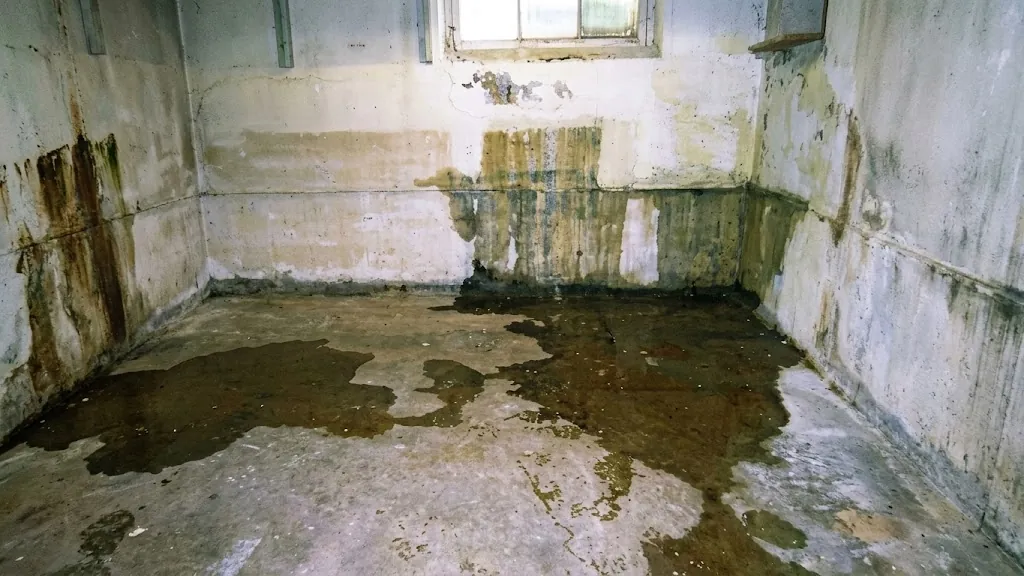
Standing water under a deck erodes the base, shifts the pool shell, and can undermine the deck itself. Ignoring it turns a $400 line repair into a $4,000 deck rebuild. We use acoustic listening and thermal imaging to trace the water back to the break. Once we mark it, we open one small section, repair the line, and pressure test it before backfilling.
A hidden leak can add 10 to 20 percent to your water bill every month. Over a season that is real money, and the water is going somewhere, usually into the ground under your deck. We run a full pressure test on the pool system and check the fill line and equipment pad. If the pool tests clean, we check the home plumbing. One visit, one answer.
Nashua LeakDetectors has been in business since 2010, and pool leak detection has been part of our work from the start. Our technicians hold NH Master Plumber credentials and carry IAPMO and Backflow Prevention Certification. We run RIDGID and General Pipe Cleaners inspection cameras, Sewerin tracer gas detectors, and Fluke moisture meters. Over 16 years we have worked on everything from 1970s gunite pools in Crown Hill to brand-new above ground installs off Amherst Street. We know how Nashua frost, clay soil, and older plumbing behave, and we test every repair before we leave.
My pool was dropping three inches a night and I had already paid one company to look at it with no answer. Nashua LeakDetectors pressure tested the lines and found a cracked return fitting under the deck in about an hour. They marked it, fixed it the same week, and my water level has not moved since. Worth every dollar.
We thought the leak was in the shell and were bracing for a big repair. They used a thermal camera and found it was the skimmer gasket. Fixed it on the spot for a fraction of what I expected. Honest work and they explained everything before they started.
I manage a commercial pool and we were losing water fast. They came out same day, ran pressure tests on all the return lines, and found a break in an underground PVC line. They had it repaired and pressure tested again within two days. Professional outfit, no runaround.
Most pool leak detection jobs in Nashua run $250 to $550 in 2026, depending on pool size and how many lines we pressure test. That covers the on-site inspection, pressure testing, and electronic detection. If we find the leak and you approve the repair, we credit part of the detection fee toward the fix.
If your pool drops more than two inches in 24 hours with the pump off, you have a leak. Evaporation in Nashua averages about a quarter inch per day in summer. A wet spot on the deck, a pump that keeps losing prime, or a water bill that jumped 20 percent are the other three signs we hear most.
Yes. We detect leaks with the pool full. Pressure testing, acoustic listening, and thermal imaging all work underwater and through the deck. We only drain a pool if the leak is in the shell and the repair requires it, which is rare. Most of our detection work happens with your water level exactly where it is.
We do. Nashua LeakDetectors handles both the detection and the repair, from skimmer gaskets and return fittings to underground PVC and copper line replacement. We pressure test the line after the repair and give you a written record. Call 603 571 4078 to book detection or a repair.
Not seeing your question? Our local team can help you understand urgency, scheduling and what to expect.
Ask the local teamPool leaks often travel. Water escaping a buried return line can surface as a wet basement or a soggy yard. Our residential leak detection covers the whole property, so we trace the water from the pool to wherever it is actually going.
View service
Hotels, fitness centers, and municipal pools in Nashua lose thousands of gallons before anyone notices. We run commercial pool leak detection on larger systems with multiple pumps and long return runs, and we work around your operating hours.
View service
If your pool equipment pad sits on a slab and you see unexplained moisture or a spike in water use, a slab leak may be feeding the problem. We use acoustic and thermal tools to separate a pool leak from a slab leak under the pad.
View service
Pool plumbing ties into your home water supply at the fill line and the equipment pad. When a pool keeps losing water and the shell is sound, we check the home plumbing side with pressure testing and pipe inspection cameras.
View service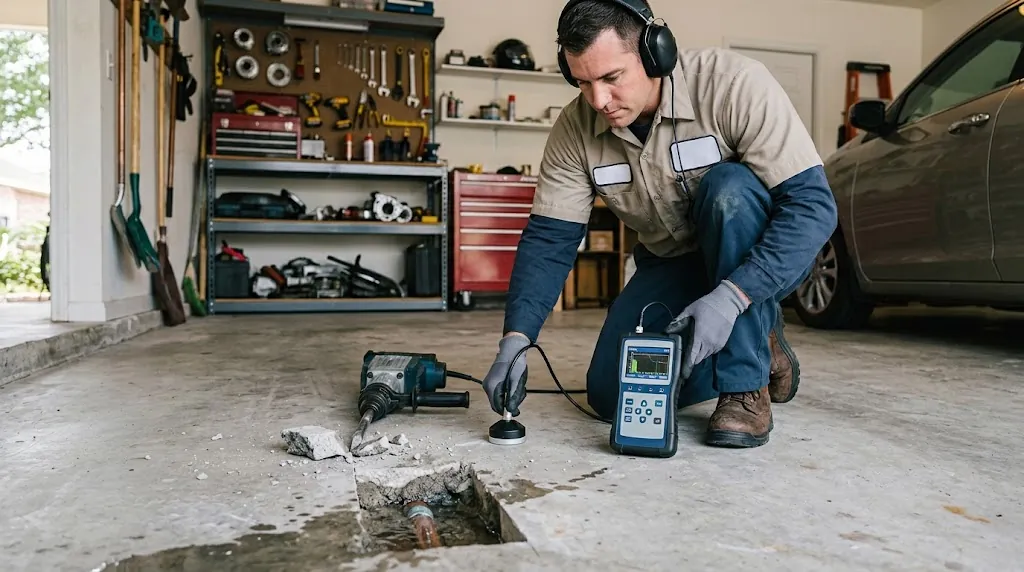
Call 603 571 4078 any hour, day or night, and a real person answers. We schedule same-day appointments for most leak calls in Nashua and the surrounding Hillsborough County area, and we confirm your window before we roll a truck.