Focused arrival windows
Useful updates and clear arrival timing.

Tracer gas leak detection Nashua NH locates hidden water and gas line leaks with pinpoint accuracy, often without breaking concrete or digging up your yard. We use hydrogen tracer gas detection in Nashua to find leaks that pressure testing and acoustic listening miss. If you have a slab leak, an underground water line leak, or a gas line leak you cannot trace, call Nashua LeakDetectors at 603 571 4078.
Useful updates and clear arrival timing.
Review the approach and price before deciding.
Equipped vehicles and respectful cleanup.
Neighbors serving neighbors with follow-through.
Every tracer gas detection visit includes the full diagnostic process from isolation to marked leak point. We do not charge extra for the pressure test or the report. If you need a repair, we quote that separately so you can decide.
We isolate the suspect line and pressurize it with air to confirm the leak and estimate its size. This step is included and takes 20 to 30 minutes. It tells us whether tracer gas is the right next step.
We introduce a 5% hydrogen / 95% nitrogen mix into the line. The gas is non-toxic, non-flammable, and safe for potable water lines. Injection takes about 15 minutes and reaches leaks as small as 0.1 mm.
Using a Sewerin or Sensistor detector, we sweep the area in a grid and tighten until the leak is marked within a 2-inch radius. This is the step that saves your concrete, driveway, or landscaping.
You get a written report showing the leak location, the detector readings, and photos of the marked spot. This is useful for insurance claims, water bill disputes, and getting repair quotes.
We can hand you the report to give to your plumber, or we can schedule the repair ourselves. Most repairs are scheduled same-day or next-day. You decide who does the work.
Share what is happening and receive a clear next step from the local team.
Tracer gas leak detection Nashua NH is a non-destructive diagnostic method that introduces a safe, inert gas mixture into a plumbing or gas line, then uses a calibrated detector to find where that gas escapes. It works on copper pipe, PEX tubing, and PVC pipe, and it is the only reliable way to pinpoint a leak under a slab or several feet underground. We pressurize the line, sweep the surface with a tracer gas detector, and mark the exact leak point before anyone picks up a jackhammer.
Nashua's older housing stock, especially around French Hill and the Tree Streets, has original copper runs that are now 60 to 90 years old. Add New Hampshire's freeze-thaw cycles and you get slab leaks, underground water line leaks, and hidden pipe leaks that do not show up until the water bill doubles. Tracer gas water leak detection Nashua is the fastest way to find those leaks without tearing apart a finished basement or a driveway.
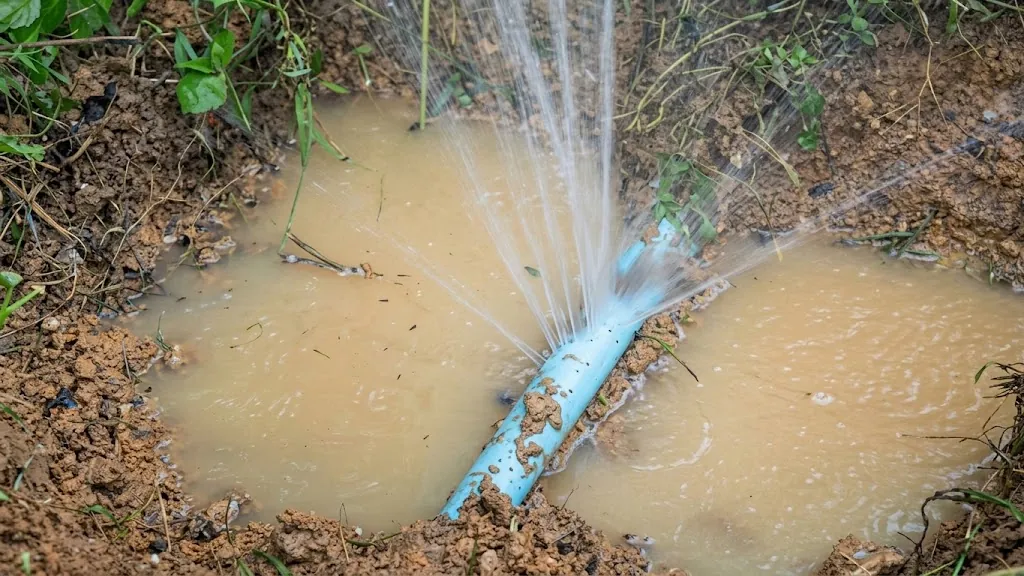
You call 603 571 4078 and describe the symptoms: a spike in the water bill, a warm spot on the floor, the smell of gas, or water pooling in the yard. We ask a few questions to narrow down whether tracer gas is the right tool. Most calls take 5 to 10 minutes.
On site, we isolate the suspect line and connect our pressure testing gauges. We pressurize the line with air first to confirm there is a leak and roughly how big it is. This step takes 20 to 30 minutes and tells us whether we are chasing a pinhole or a failed joint.
We introduce a 5% hydrogen / 95% nitrogen mixture into the isolated line. Hydrogen is the tracer because it is the lightest molecule, it escapes through the smallest opening, and it is non-toxic and non-flammable at that concentration. Injection takes about 15 minutes.
Using a Sewerin or Sensistor tracer gas detector, we sweep the floor, yard, or wall in a grid pattern. When the detector reads above baseline, we mark the spot and tighten the grid until we have the leak within a 2-inch radius. This is the step that saves your concrete.
We mark the leak point with paint or tape, photograph it, and give you a written report with the leak location and recommended repair. If you want us to handle the repair, we can usually schedule it same-day or next-day. The detection visit itself takes 2 to 3 hours.
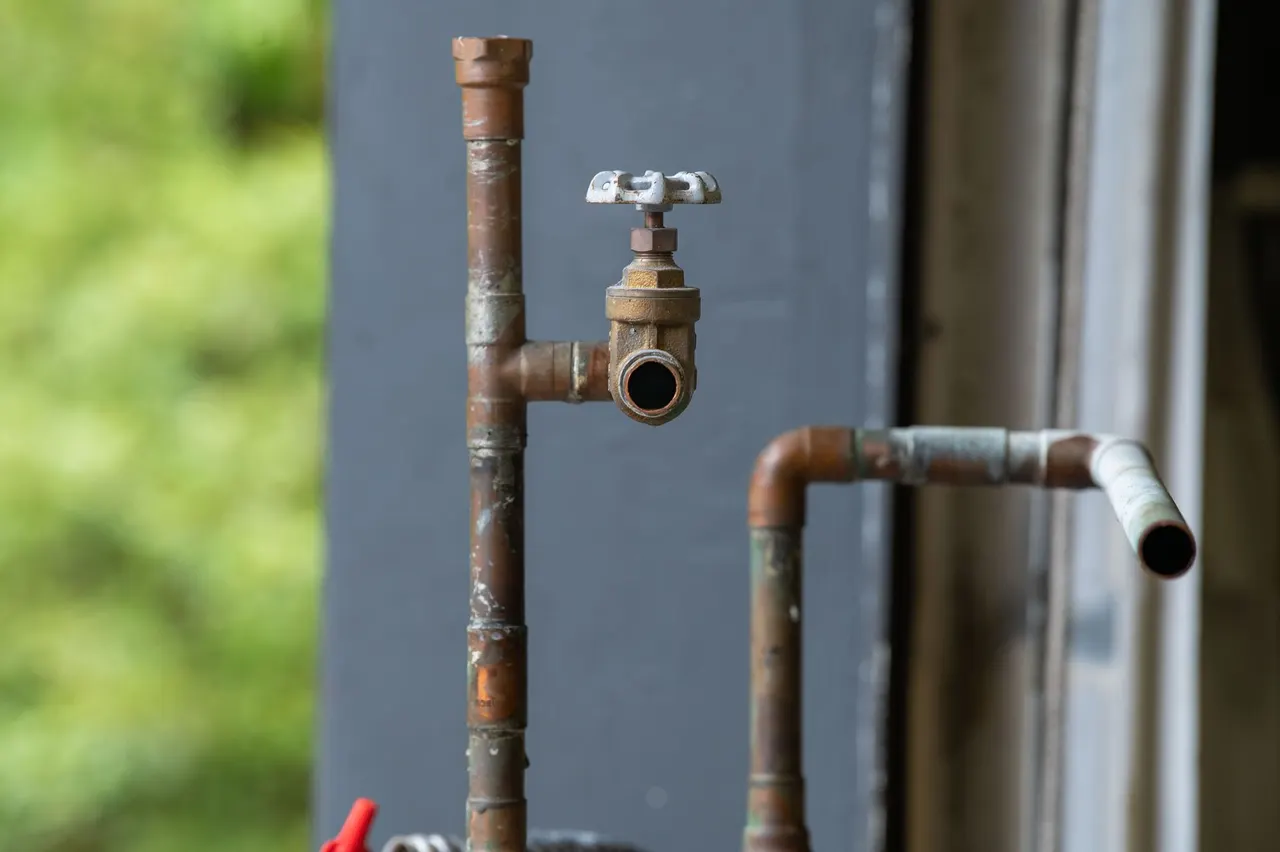
Our primary detector for hydrogen tracer gas. It reads concentrations down to 1 ppm, which lets us pinpoint a leak within 2 inches on a slab or underground line.
A backup detector we use for large-area sweeps and outdoor lines. It is fast and reliable in windy conditions, which matters for underground water line leaks in Nashua.
We use it to look inside copper, PEX, and PVC lines when we need to see the leak or confirm a repair. It helps us verify the pipe material before we inject gas.
We use thermal imaging as a first pass to spot temperature differences caused by leaks. It narrows the search area before we bring in the tracer gas.
Acoustic listening picks up the sound of water escaping under pressure. We pair it with tracer gas for a two-tool approach that catches both loud and silent leaks.
We use calibrated gauges to pressurize the line and confirm a leak exists. This step is included in every tracer gas detection visit and takes 20 to 30 minutes.
We use moisture meters to check walls, floors, and ceilings for hidden moisture. They help us confirm the leak has not spread to adjacent materials.
We inject a 5% hydrogen / 95% nitrogen mix into the isolated line. Hydrogen is the lightest molecule, so it escapes through the smallest openings and rises to the surface where our detector can read it. It is non-toxic and safe for potable water lines.
Before tracer gas, we isolate the suspect line and pressurize it with air. If the pressure drops, we know there is a leak. This step confirms the leak and tells us roughly how big it is, which helps us choose the right detection approach.
We sweep the surface in a grid pattern, starting wide and tightening the grid when the detector reads above baseline. This methodical approach ensures we do not miss the leak and lets us mark it within a 2-inch radius.
We never rely on one tool. We cross-confirm tracer gas readings with acoustic listening and thermal imaging when possible. This triple-check approach reduces false positives and gives you confidence in the marked spot.
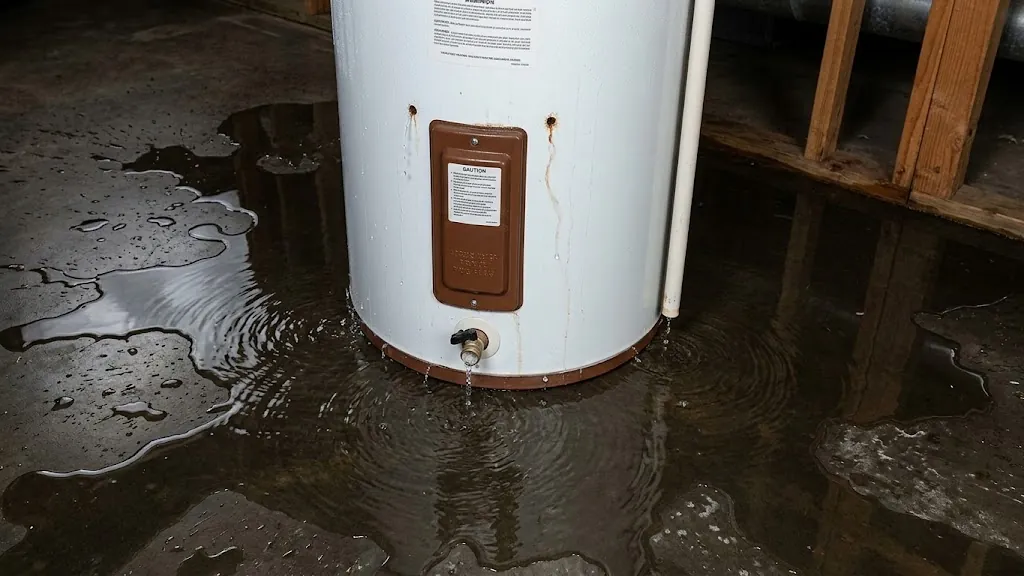
We isolate the hot water line, pressure test it, and inject tracer gas. We sweep the slab with a detector and mark the leak within 2 inches. The whole process takes about 2 hours. You cut one small square of concrete, repair the copper line, and your bill goes back to normal. No jackhammering the whole room.
We pressure test the underground water service, then use tracer gas to find the break. We mark the spot and can repair the line the same day if you approve. One hole in the yard instead of a 20-foot trench. Your water pressure returns and the soggy spot dries up within a week.
We come out same-day, use tracer gas and electronic detectors to find the leak, and mark it. We coordinate with Liberty Utilities and handle the repair if it is on your side. The leak is fixed, the gas smell is gone, and you have a written report for your records. Safety restored.
We run a pre-purchase leak detection inspection using pressure testing and tracer gas on the water service and slab. We check the visible piping and the water heater connections. You know exactly what you are buying. If we find a leak, you can negotiate the repair into the sale or walk away.
Nashua's building stock ranges from 1890s Victorians in Crown Hill to 2020s builds in Nashua Highlands, and the piping varies just as much. In older homes, we often find original copper with pinhole leaks caused by decades of aggressive water. In newer homes, we see PEX tubing with failed crimp rings or nail strikes from renovations. Winter makes everything worse: freeze-thaw cycles from December through March cause underground water line leaks and slab leaks as the soil shifts. We run gas tracer leak detection Nashua calls year-round, but we see a spike in January and February when frozen lines thaw. If you are searching for how does tracer gas leak detection work in Nashua, the short answer is: we isolate the line, inject hydrogen, and sweep until we find the leak. We serve every neighborhood from Downtown Nashua to the Exit 8 Neighborhood, and we know the common failure points in each.
Older housing stock with original copper lines. We see a lot of pinhole leaks and slab leaks here, especially in homes built before 1950.
Newer construction with PEX and PVC. Common issues are failed crimp rings and irrigation line breaks from freeze damage.
Mix of mid-century ranches and capes. Slab leaks are common, and we often find underground water line leaks in the front yards.
Properties near the river have higher water tables, which can mask underground leaks. Tracer gas is especially useful here because acoustic tools struggle with saturated soil.
Commercial and residential mix. We run tracer gas tests on restaurants, offices, and multi-family buildings, often after hours to avoid disrupting business.
Soil movement cracks underground water lines and slab pipes. We see a 40% increase in tracer gas calls during January and February. If you have a leak, do not wait for spring.
Low pH water eats away at copper from the inside, causing pinhole leaks. Tracer gas finds these before they become major breaks. We often recommend a water test after the repair.
Saturated soil makes acoustic listening unreliable. Tracer gas works regardless of soil moisture, which is why we rely on it for properties near Mine Falls and the river.
These lines are prone to joint failures and pinhole leaks. Tracer gas helps us find the exact failure point without opening every wall. We see this most in Crown Hill and the Tree Streets.
A homeowner in the South End noticed a warm spot on the kitchen floor and a water bill that jumped from $80 to $210 a month. Two plumbers recommended jackhammering the entire slab, a $6,000 job.
We ran tracer gas leak detection and found the leak in 90 minutes. The marked spot was 14 inches from the wall. We cut one 2-foot square, repaired the copper line, and patched the concrete. Total repair cost: $1,200.
Maintenance: We recommended a water pressure check and a slab moisture test every two years. The homeowner also installed a water alarm near the water heater for early warning.
A property manager at a Broad Street Park commercial building had a water bill triple in one month. The yard was soggy near the parking lot, but no one could find the leak. Two companies dug test holes with no luck.
We pressure tested the service line, confirmed a leak, and used tracer gas to mark the break within 2 inches. The repair crew dug one hole and fixed the line in 3 hours. The water bill returned to normal the next cycle.
Maintenance: We suggested an annual pressure test on the service line and a check of the backflow preventer. The property manager now schedules a tracer gas sweep every spring.
A homeowner near Mine Falls smelled gas near the meter. The utility company confirmed a leak on the homeowner's side but could not pinpoint it. The family was nervous and wanted it fixed fast.
We came out same day, used tracer gas and electronic detectors, and found a pinhole leak in the buried line 6 feet from the foundation. We coordinated with Liberty Utilities, repaired the line, and retested. The gas smell was gone by the next afternoon.
Maintenance: We recommended a gas line pressure test every two years and a visual check of the meter area each fall. The homeowner now has a combustible gas alarm near the meter.
Most leaks we find are not visible. They show up as high bills, warm floors, or unexplained moisture. Here are the problems tracer gas solves for Nashua properties.
Water under the slab erodes the soil, causes cracks in the floor, and can flood a finished basement. The longer it runs, the bigger the repair bill. We isolate the hot or cold line, inject tracer gas, and sweep the slab until we find the leak. You cut one small access hole instead of replacing the whole floor. Most slab leaks are found in under 2 hours.
A leak between the meter and the house can waste 10,000 gallons a month and saturate your yard. It can also undermine the foundation and driveway. We pressure test the service line, then use hydrogen tracer gas leak detection Nashua to find the break. We mark it within 2 inches so you dig one hole, not a trench. We can also coordinate with the city if the leak is on their side.
A gas leak is a safety issue. It can lead to evacuation, fines, and dangerous conditions if ignored. You need to know exactly where it is before anyone digs. We use tracer gas and electronic leak detection equipment to find the leak and mark it. We coordinate with Liberty Utilities and handle the repair if it is on your side of the meter. Safety first, always.
A pinhole leak can waste thousands of gallons before you see any water. You end up paying for water you never used and may face a sewer bill adjustment. We start with a whole-house pressure test, then use tracer gas on the suspect lines. Most hidden leaks are found in a single 2-to-3-hour visit. You get a report you can use to dispute the bill.
Nashua LeakDetectors has been in business since 2010, which means 16 years of chasing leaks through Hillsborough County's oldest housing stock and newest subdivisions. Our technicians hold NH Master Plumber License credentials, Backflow Prevention Certification, and IAPMO Certification, and we train on every major tracer gas platform. We have run tracer gas tests on 1950s copper, 1980s polybutylene, and modern PEX tubing. That range matters: the tool is the same, but knowing where a 70-year-old pipe is likely to fail is what turns a 4-hour search into a 90-minute pinpoint.
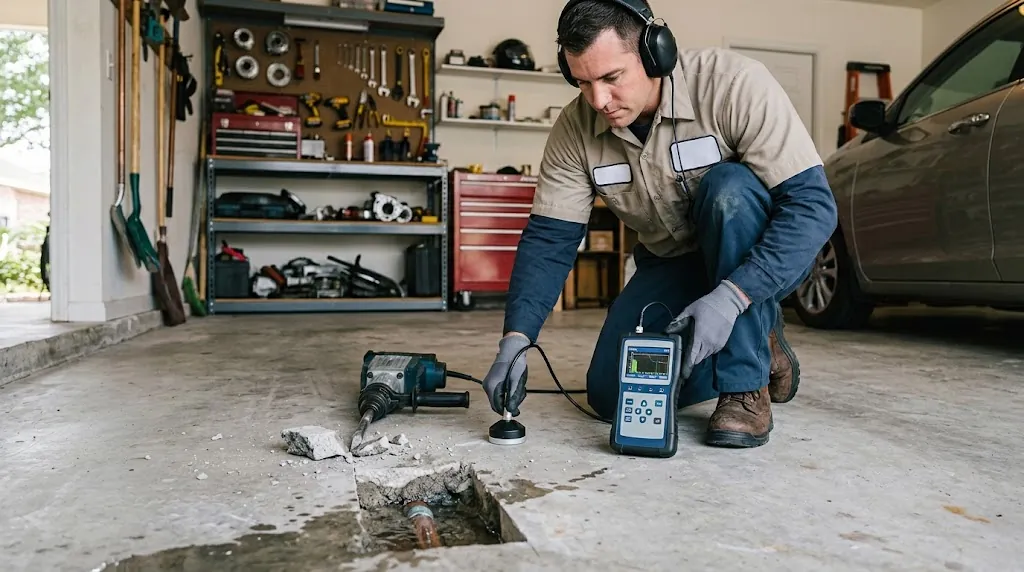
We had a slab leak in our 1950s ranch and two other companies wanted to jackhammer half the floor. Nashua LeakDetectors came out with tracer gas, found the leak in about 90 minutes, and marked it within a couple of inches. We cut one small square, fixed the copper line, and saved thousands. Worth every penny.
One of our commercial buildings had a water bill that tripled overnight. The tracer gas test found a broken underground line in the parking lot. They marked it, we dug one hole, and the repair was done the same week. They were professional and explained everything before they started.
I smelled gas near my meter and was worried sick. They came out same day, used tracer gas and electronic detectors, and found a pinhole leak in the buried line. They coordinated with Liberty Utilities and had it fixed by the next afternoon. I cannot recommend them enough.
Most residential tracer gas leak detection jobs in Nashua run $350 to $750 in 2026, depending on how many lines we test and how accessible the system is. A single underground water line test is usually at the lower end. Multi-line slab tests or gas line investigations run higher. You get the exact price before we start, and there is no travel charge inside Nashua.
You need it when you have confirmed a leak but cannot find it with acoustic or thermal tools. Common triggers include a water bill that doubled, a warm spot on a slab floor, water pooling in the yard with no visible source, or the smell of gas near a buried line. If pressure testing shows a leak but listening devices hear nothing, tracer gas is the next step.
Yes. Hydrogen tracer gas escapes through openings as small as 0.1 millimeters, which is smaller than most acoustic tools can hear. We regularly find leaks under 4-inch slabs, behind finished basement walls, and 4 feet underground. On a recent Mine Falls-area job, we pinpointed a pinhole leak in a copper line under a driveway that two other companies had missed.
Nashua LeakDetectors offers hydrogen tracer gas leak detection for residential and commercial properties across Hillsborough County. We have been in business since 2010 and carry Sewerin and Sensistor detectors on every truck. Call 603 571 4078 to schedule. We serve all Nashua ZIP codes, including 03060, 03062, 03063, and 03064.
Not seeing your question? Our local team can help you understand urgency, scheduling and what to expect.
Ask the local team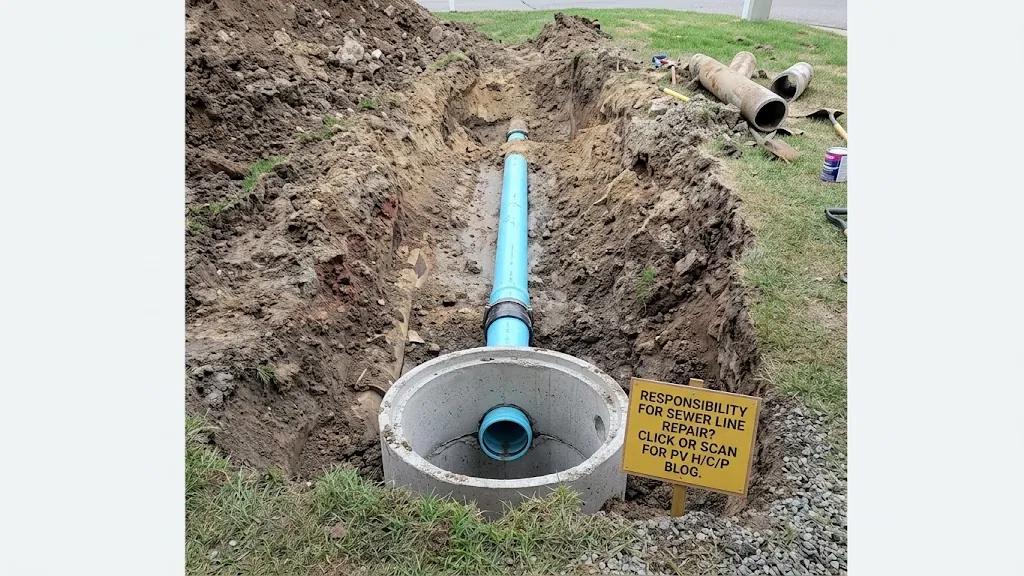
Tracer gas is one tool in our residential leak detection kit. For Nashua homeowners, we combine it with acoustic listening and thermal imaging to cover the whole house, from the water heater to the underground service line.
View service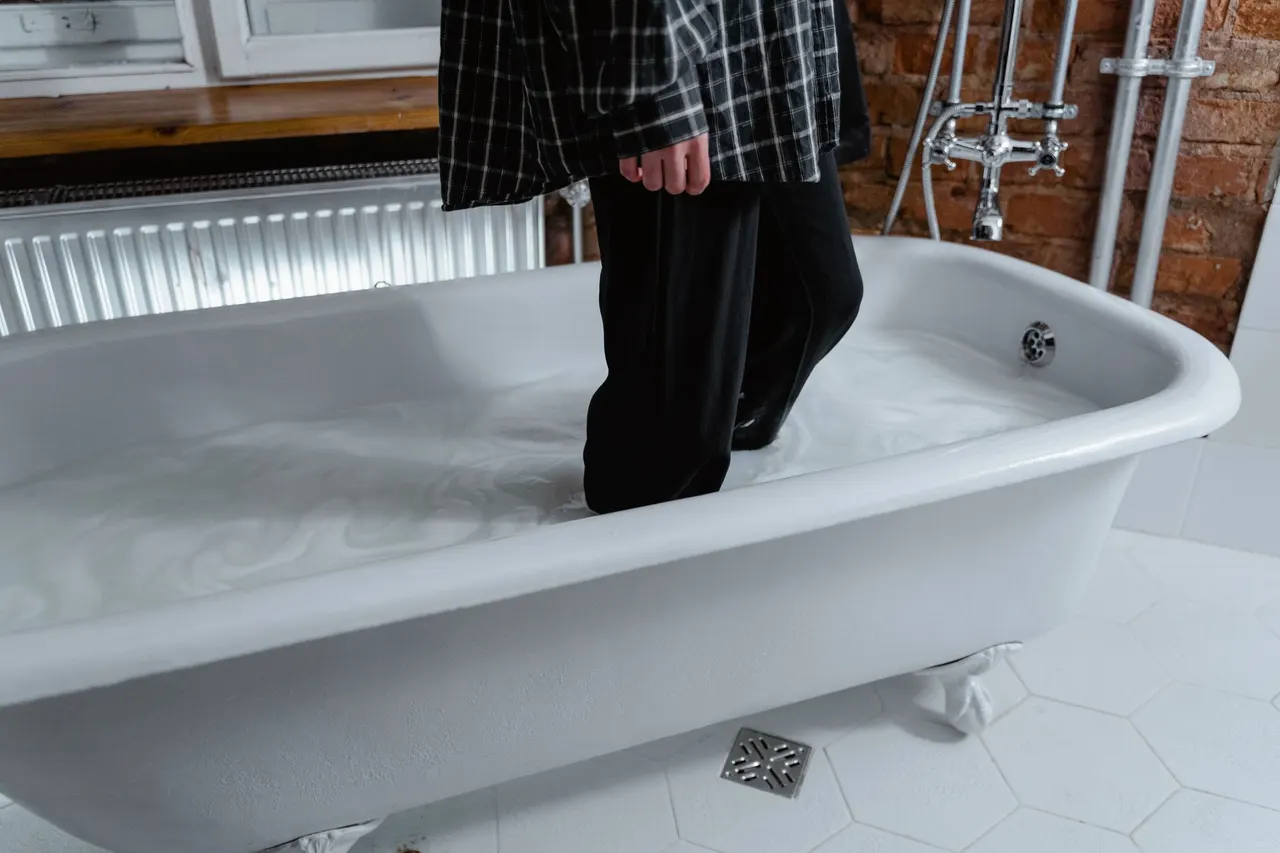
Restaurants, hotels, and office buildings on Amherst Street and the Nashua Mall Area use tracer gas testing to find leaks without shutting down operations. We work nights and weekends to keep your business running.
View service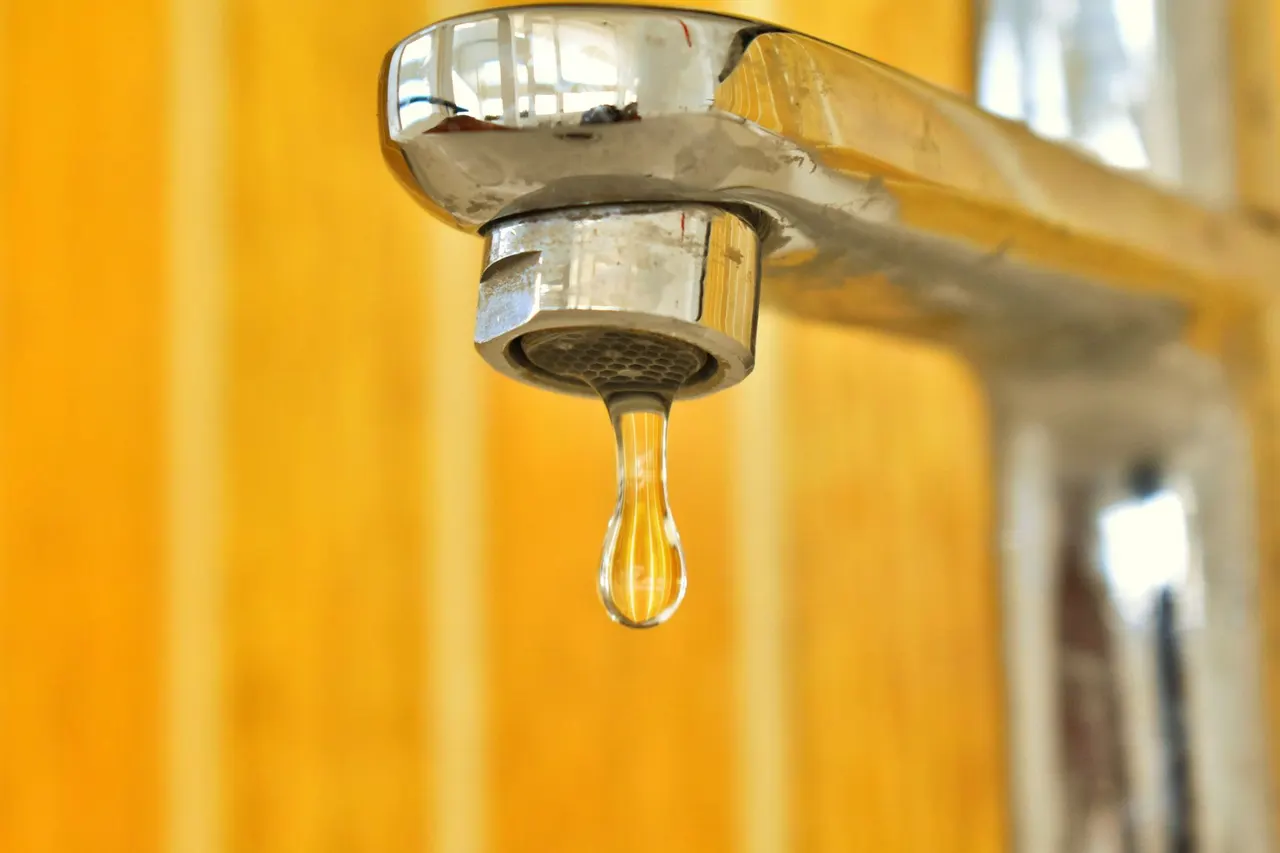
Slab leaks are the most common reason Nashua homeowners call us for tracer gas. We pinpoint the leak under the concrete so you cut a small access hole instead of jackhammering the whole room.
View service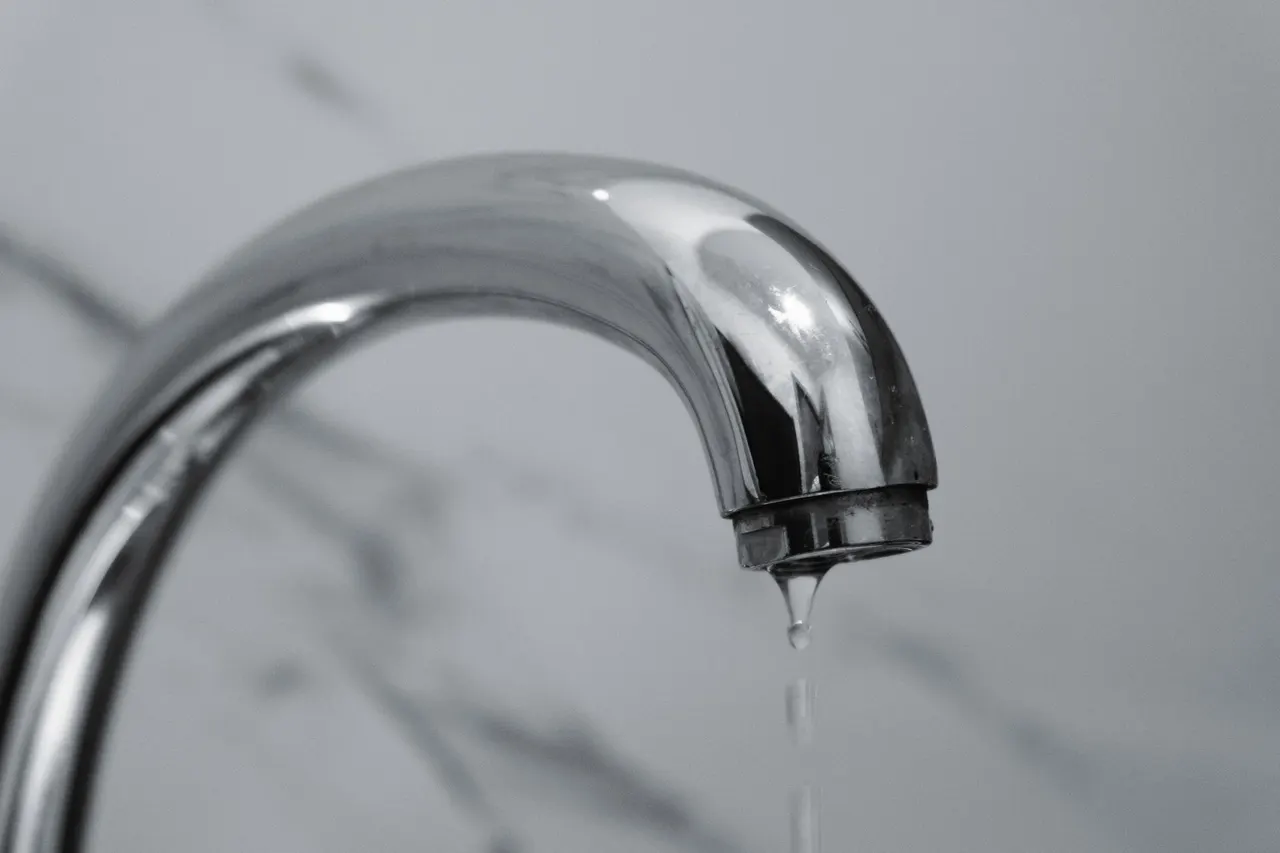
A pool losing an inch of water a day may have a buried return line leak. Tracer gas testing isolates the line and finds the break without draining the pool or digging up the deck.
View service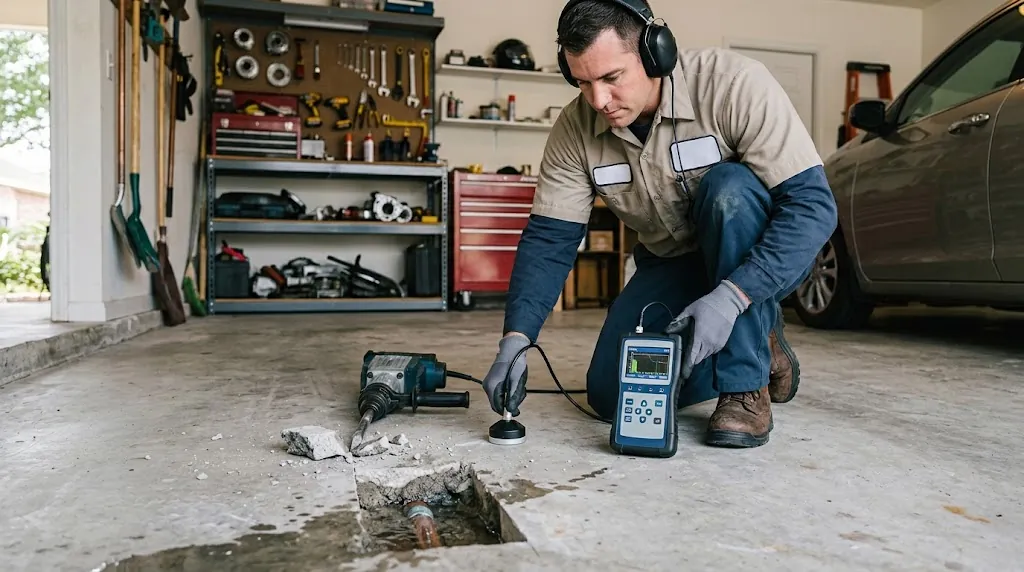
Call 603 571 4078 any hour, day or night, and a real person answers. We schedule same-day appointments for most leak calls in Nashua and the surrounding Hillsborough County area, and we confirm your window before we roll a truck.