Focused arrival windows
Useful updates and clear arrival timing.

Toilet leak detection Nashua NH starts with a simple question: is that water on your floor coming from the tank, the base, or the supply line? We answer it with acoustic listening devices and moisture meters, not guesswork. Our licensed plumbers serve homeowners across Nashua, New Hampshire, from French Hill to the South End, and we handle everything from a running toilet to a slow base leak that has been rotting your subfloor for months.
Useful updates and clear arrival timing.
Review the approach and price before deciding.
Equipped vehicles and respectful cleanup.
Neighbors serving neighbors with follow-through.
Every toilet leak detection Nashua NH visit includes a full diagnostic, not just a visual check. We test the tank, the supply line, the wax ring, and the flange, then show you the readings. Parts like flappers and fill valves are included in the repair price. If the leak has damaged the subfloor, we quote that repair separately so you can decide how far to go.
We drop dye in the tank and watch the bowl for 10 minutes to confirm whether the flapper or flush valve is leaking. Then we check the fill valve height and the refill tube, which are common failure points on older toilets.
We isolate the supply line and pressurize it with a gauge. If it holds at 80 psi for 15 minutes, the leak is not on the supply side. If it drops, we know the line or the shutoff valve is the source and we repair it on the spot.
We pull the toilet if the dye test is clean but the floor is wet. That lets us inspect the wax ring and the flange for cracks or corrosion. A failed wax ring is the most common cause of water at the base in Nashua's older homes.
We take moisture readings at the base of the toilet and on the ceiling below before and after the repair. You see the numbers yourself, so you know the subfloor is drying and the leak is actually fixed.
Standard flappers, fill valves, wax rings, and supply lines are included in the quoted repair price. We carry EPA WaterSense-rated parts on every truck, which use less water per flush and last longer than builder-grade replacements.
Share what is happening and receive a clear next step from the local team.
Toilet leak detection Nashua NH is the process of pinpointing exactly where water escapes a toilet, its supply line, or the drain connection beneath it. We start by isolating the fixture: dye in the tank, a moisture meter on the floor, and a visual check of the wax ring and flange. From there we use acoustic listening devices and thermal imaging cameras to trace water that has already moved into the subfloor or the ceiling below. Most leaks fall into four buckets: a failed flapper, a cracked fill valve, a worn wax ring, or a hairline crack in the bowl or tank.
Nashua's housing stock makes this work more common than you'd think. The city's older triple-deckers and 1920s colonials around Crown Hill and the Tree Streets still run original copper pipe and cast-iron drains, and decades of freeze-thaw cycles have loosened more than a few flanges. If you have been searching for toilet leak detection near me Nashua NH because you hear water running when nobody has flushed, that is usually a flapper or fill valve failing. A base leak that only shows up after a shower points to the wax ring instead.
When you call 603 571 4078, we ask three questions: is the floor wet, is the toilet running, and is there water staining on the ceiling below. Those answers tell us whether to treat it as an emergency or schedule a same-day visit. You get a two-hour arrival window, not a four-hour maybe.
On arrival we pull the tank lid, drop dye in the tank, and watch the bowl for 10 minutes. If color appears without a flush, the flapper or flush valve is leaking. We also check the supply line connection and the shutoff valve for corrosion or weeping, which takes about 15 minutes.
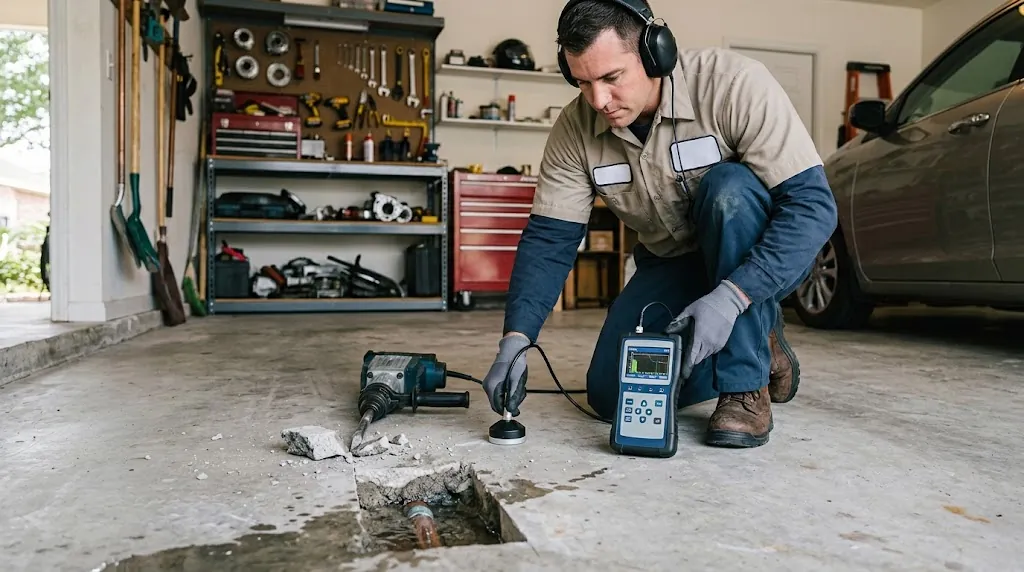
If the dye test is clean but the floor is wet, we bring in the acoustic listening devices and a thermal imaging camera. These pick up water movement behind the wall and under the tile without opening anything up. This step takes 20 to 30 minutes and tells us whether the leak is at the wax ring, the flange, or the drain.
Once we know the source, we show you the readings and give you a flat price for the repair before any work starts. If it is a wax ring, that is a $180 to $320 job. If the flange itself is cracked, we explain the flange repair and the added cost. No surprises on the invoice.
We make the repair, then run three full flush cycles and re-check the moisture meter at the base. If the reading has not dropped, we keep going until it does. You get a written summary of what failed and what we replaced, plus a 1-year workmanship warranty on the repair.
We use these to hear water escaping a pressurized supply line behind the wall. On a toilet leak, they tell us whether the leak is at the shutoff valve or further up the line.
Thermal cameras show the temperature difference between wet and dry subfloor. We use them when the dye test is clean but the floor is still wet, because they find hidden moisture without demolition.
We take readings at the toilet base and on the ceiling below before and after the repair. The numbers tell you whether the subfloor is drying or still holding water.
We isolate the supply line and pressurize it to 80 psi. If the gauge drops, the leak is on the supply side. If it holds, the problem is at the wax ring or drain.
We run a camera through the drain to check the flange and the drain line below. This confirms whether a base leak is coming from the wax ring or from a cracked drain fitting.
For slow leaks that do not show up with dye or moisture meters, we introduce a tracer gas and use a Sewerin detector to find the escape point. This is the same method we use on underground lines.
We drop dye in the tank and watch the bowl for 10 minutes without flushing. If color appears, the flapper or flush valve is leaking. This is the fastest way to separate a tank leak from a base leak.
We close the supply stop and pressurize the line between the stop and the toilet. If it holds, the leak is downstream at the wax ring. If it drops, the supply line or stop is the source. This 15-minute test saves hours of guesswork.
We scan the floor and the ceiling below with a FLIR camera to map the wet area. The temperature difference shows us exactly how far the water has spread, which tells us whether the subfloor needs repair.
After every repair, we run three full flush cycles and re-check the moisture meter at the base. If the reading has not dropped, we keep working until it does. That is our standard for a finished job.
That is almost always a flapper or fill valve. We test both with the tank open and replace the worn part with an EPA WaterSense-rated component. The visit takes about 60 minutes and we confirm the tank holds overnight. The sound stops, the water bill drops back to normal, and you avoid a $200-plus quarterly water charge.
Soft flooring means the subfloor has been wet for a while. We pull the toilet, inspect the wax ring and flange, and take moisture readings. If the subfloor is compromised, we quote the repair before we start. You get a dry, solid floor and a toilet that does not rock. Catching it before the joists rot saves thousands.
We run a full leak detection inspection on every toilet and supply line in the house. You get moisture readings, photos, and a written summary you can use in negotiations. You know exactly what needs fixing and what it will cost before you sign, which gives you leverage on the price.
Shut the toilet supply valve and call us at 603 571 4078. This is an emergency toilet leak repair Nashua New Hampshire call, and we can usually have a tech there within 90 minutes. The water stops, the ceiling damage is contained, and we repair the source the same day instead of leaving you with a bucket.
Nashua's mix of 1890s mill housing, 1920s colonials, and post-2000 construction means we see every kind of toilet leak. In the older homes around Crown Hill and the Tree Streets, cast-iron drains and original copper pipe are common, and freeze-thaw cycles from December through March loosen flanges and crack supply lines. In the newer builds off Exit 8 and Amherst Street, the leaks tend to be PVC pipe joint failures or wax rings that were installed with too much movement in the flange. We adjust our approach based on what the house tells us. If you need affordable toilet leak detection Nashua, we quote the diagnostic fee upfront and credit it toward the repair. Our trucks carry flappers, fill valves, wax rings, and supply lines, so most jobs are finished in one visit. We also work with Hillsborough County property managers who need documentation for tenant files.
Dense older housing with shared walls and original plumbing. Toilet leaks here often show up as ceiling stains in the unit below before the homeowner notices anything.
Many 1920s homes with cast-iron drains and copper supply lines. Freeze-thaw cycles crack supply stops, so we check those on every call.
Newer construction with PVC drain lines. Leaks here are usually at the flange or the wax ring rather than the pipe itself.
A mix of rentals and owner-occupied triple-deckers. We often find multiple toilets with the same worn flapper because they were installed at the same time.
Supply lines and shutoff valves crack when water freezes and expands. We see a spike in toilet leak calls in January and February, usually at the supply stop behind the toilet.
Cast iron corrodes from the inside out, so a base leak may be coming from the drain rather than the wax ring. We run a camera to confirm before quoting the repair.
Pressure above 80 psi wears out fill valves and supply lines faster. We check the pressure on every call and recommend a regulator if it is running high.
A landlord called after a tenant complained about a constant running sound. The water bill had jumped $85 in one quarter. The flapper was warped and the fill valve was original to the 1998 toilet.
We replaced the flapper and fill valve with EPA WaterSense-rated parts in 45 minutes. The tank held overnight and the next water bill dropped back to the normal range. Total cost: $165.
Maintenance: Check the flapper every six months by adding a drop of dye to the tank. If color reaches the bowl without a flush, replace the flapper before it costs you another quarter of water waste.
The homeowner noticed soft tile at the toilet base and a faint stain on the kitchen ceiling below. The wax ring had failed and water had been seeping into the subfloor for weeks. Moisture reading was 28%.
We pulled the toilet, replaced the wax ring and the cracked flange repair ring, and reset the fixture. The moisture reading dropped to 11% within 48 hours. Total cost: $420.
Maintenance: Avoid rocking the toilet when you clean around it. If the base moves at all, call us before the wax ring fails again. A stable toilet lasts 10 to 15 years between wax ring replacements.
A homeowner thought they had a slab leak because the bathroom floor was always cold and damp. The dye test was clean and the wax ring was intact. Our pressure test showed the supply line was losing 5 psi in 15 minutes.
We replaced the corroded shutoff valve and the braided supply line, then pressure-tested at 80 psi. The line held and the floor dried out. Total cost: $210.
Maintenance: Check the supply line and shutoff valve once a year for corrosion or weeping. A $15 braided line is cheap insurance against a $2,000 floor repair.
Most toilet leaks fall into a handful of categories, and each one has a different fix. Here are the problems we see most often in Nashua homes, what happens if you ignore them, and how we solve them without tearing your bathroom apart.
The subfloor and the ceiling below soak up water within 48 hours, leading to rot, mold, and a repair bill that can top $2,000 if the joists are affected. We pull the toilet, inspect the wax ring and flange, and replace the failed seal. If the flange is cracked, we install a repair ring that meets New Hampshire plumbing code. The whole job takes 90 minutes and we re-check the moisture reading before we leave.
A running toilet wastes 200 gallons a day, which adds roughly $30 to $60 a month to your Nashua water bill and wears out the fill valve faster. We test the flapper and fill valve with the tank open, then replace the worn part with an EPA WaterSense-rated component. We also check the refill tube and the tank-to-bowl gasket, because a running toilet often has more than one worn part.
A failed wax ring or a dry trap lets sewer gas into the room. It smells bad, and it can be a health concern if the leak has also compromised the drain connection. We run a pipe inspection camera through the drain to check the flange and the drain line, then reset the toilet with a new wax ring and a properly shimmed base. If the drain itself is leaking, we repair that before we reset the fixture.
By the time a stain shows up, the leak has usually been running for weeks. Drywall, insulation, and sometimes the ceiling joists are already wet. We use thermal imaging cameras and moisture meters to trace the water back to the toilet or the supply line. Once we fix the source, we give you the moisture readings so you can document the repair for insurance if needed.

Nashua LeakDetectors has been finding and fixing toilet leaks since 2010, which puts us at 16 years serving Hillsborough County. Our plumbers hold the NH Master Plumber License and carry Backflow Prevention Certification, so the same crew that traces a hidden leak can also handle the supply-side work. We have run toilet leak detection Nashua New Hampshire calls in everything from 1890s mill housing to new construction off Exit 8, and we own the tools to do it without tearing your bathroom apart.
I heard water running in the downstairs toilet for a week and figured it was just the flapper. Nashua LeakDetectors came out, ran a dye test, and found the wax ring was shot too. They replaced both in about an hour and showed me the moisture meter reading before and after. The floor is dry and my water bill dropped $40 the next month.
I manage three units on the Tree Streets and one tenant had water coming through the ceiling. I called at 7 a.m. and they had a tech there by 9. Turned out to be a cracked fill valve in the upstairs toilet. They fixed it, checked the other two units while they were there, and charged me one call-out fee. That is why I keep their number.
We thought we had a slab leak because the bathroom floor was always cold and damp. They used a thermal camera and found it was actually the toilet supply line weeping behind the wall. Repaired it the same day and pressure-tested the line before they left. Honest diagnosis saved us from a much bigger repair.
Most toilet leak detection calls in Nashua run $95 to $180 for the diagnostic, and that fee is credited toward the repair if you have us do the work. A flapper or fill valve replacement adds $85 to $150 in parts and labor. Wax ring and flange repairs run $180 to $320. If the leak has reached the subfloor, expect $400 to $650 for the full repair.
The three most common causes we find in Nashua are a worn flapper, a failing wax ring, and a cracked fill valve. Freeze-thaw cycles in Hillsborough County also crack supply lines and loosen flanges in older homes. If the floor is wet only after a flush, start with the wax ring. If you hear water running constantly, it is almost always the flapper.
Yes, in most cases. A flapper, fill valve, supply line, or wax ring replacement fixes the leak without pulling the toilet out of service for more than an hour. We only recommend a new toilet if the bowl or tank itself is cracked, which is rare. Even then, we quote the replacement separately so you can decide.
Nashua LeakDetectors has handled toilet leak repair in Nashua New Hampshire since 2010. Our licensed plumbers carry acoustic listening devices, thermal imaging cameras, and moisture meters on every truck, so we can find a hidden leak and fix it in one visit. Call 603 571 4078 and we will give you a two-hour arrival window.
Not seeing your question? Our local team can help you understand urgency, scheduling and what to expect.
Ask the local team
A toilet leak is often the first sign of a wider plumbing issue. Our residential leak detection service covers the whole house, from supply lines to drain stacks, so you can find out whether that wet floor is isolated or part of a bigger problem.
View service
Restaurants and offices along Main Street District deal with high-traffic restrooms where toilet leaks waste hundreds of gallons a week. We schedule commercial leak detection after hours so your business stays open and your water bill stops climbing.
View service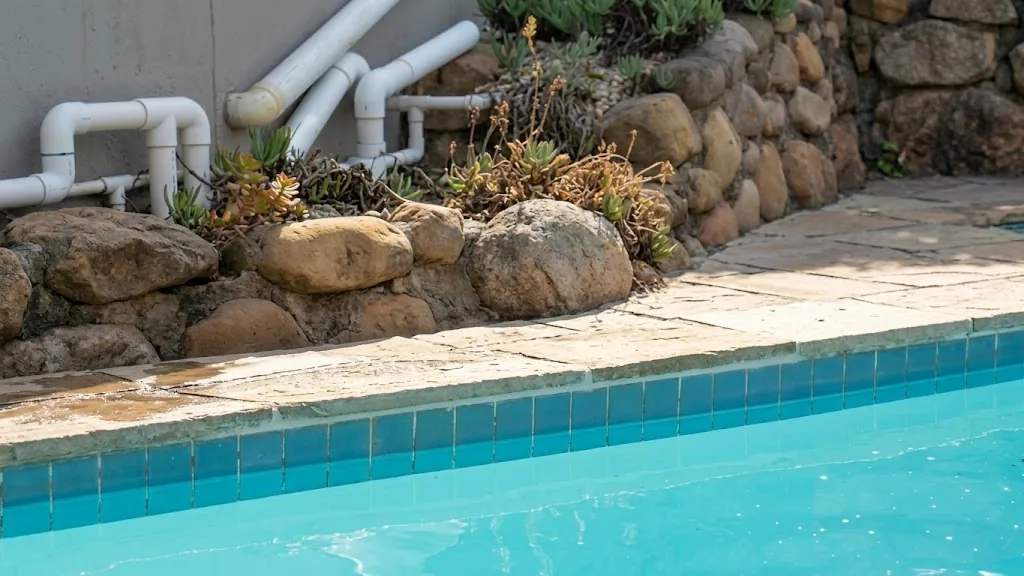
If a toilet leak has been running long enough, water can migrate under the slab. Our slab leak detection uses acoustic and thermal tools to find the break without breaking concrete, which is the difference between a $300 repair and a $3,000 one.
View service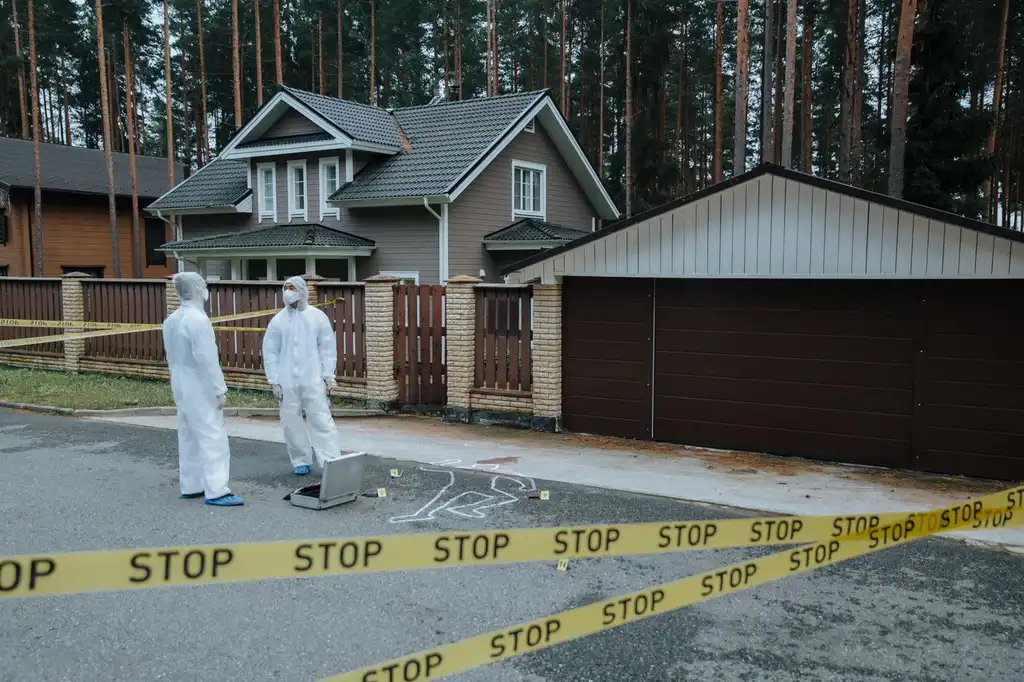
Pool owners in Nashua Highlands often mistake a toilet leak for a pool leak when both show up as unexplained water use. We test both systems separately so you fix the right one and stop paying for water you are not using.
View service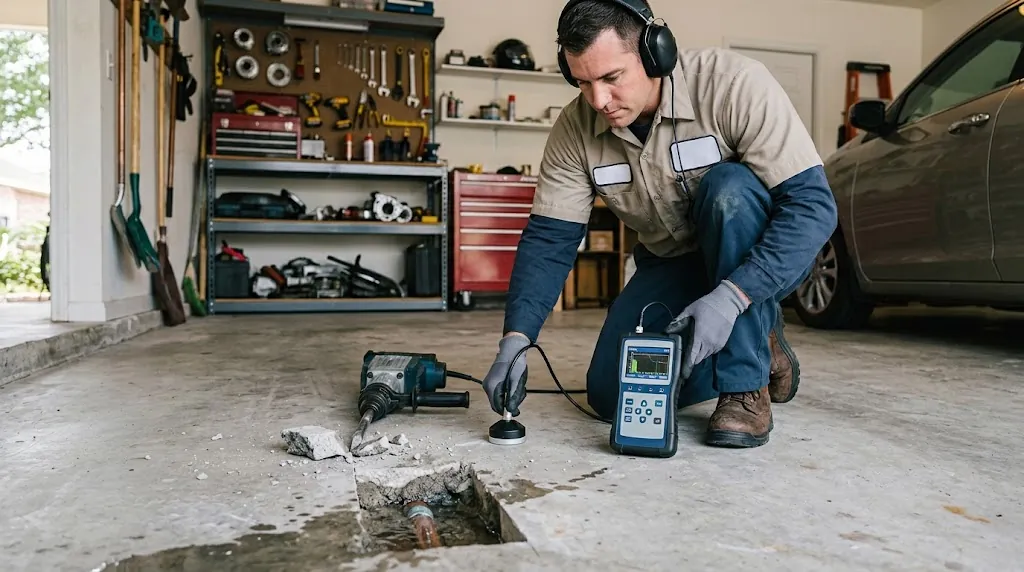
Call 603 571 4078 any hour, day or night, and a real person answers. We schedule same-day appointments for most leak calls in Nashua and the surrounding Hillsborough County area, and we confirm your window before we roll a truck.