Focused arrival windows
Useful updates and clear arrival timing.
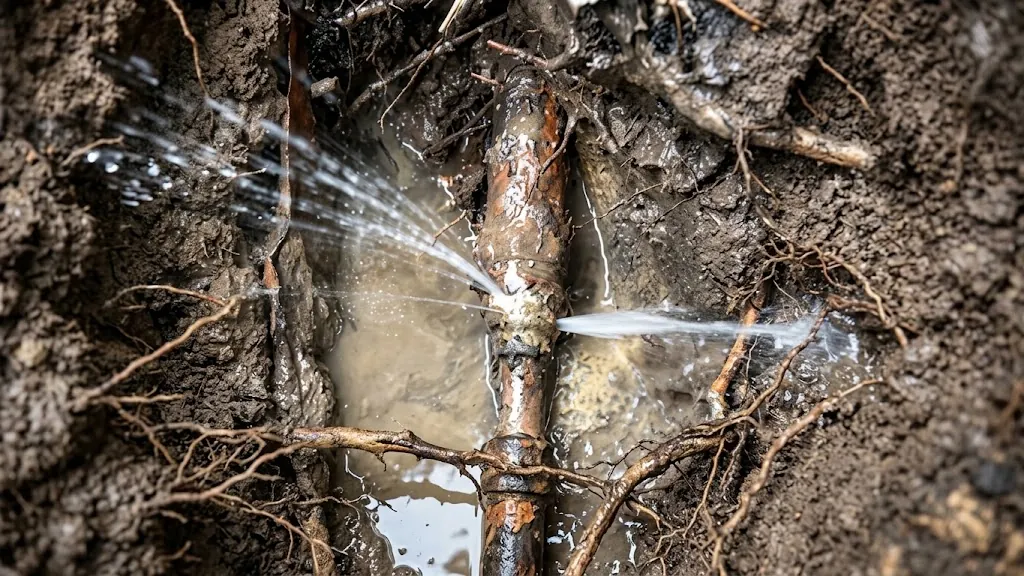
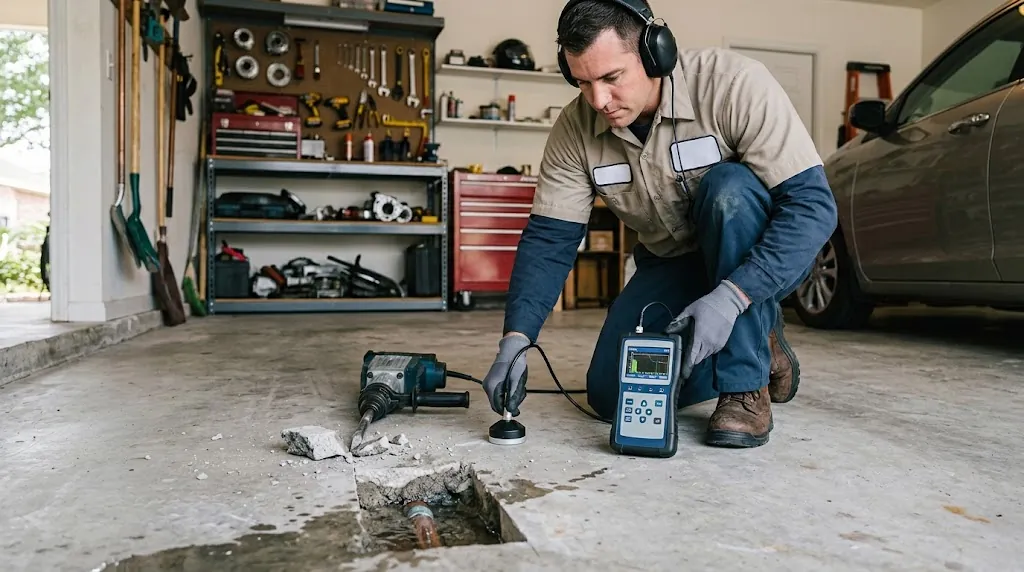
When your sprinkler system leak detection Nashua NH service is handled by our licensed team, you get answers the same day. We use acoustic listening devices and thermal imaging cameras to pinpoint breaks in copper pipe, PEX tubing, and PVC pipe under lawns and driveways. If you need sprinkler leak repair in Nashua, we handle that too, from Main Street District to Exit 8 Neighborhood.
Useful updates and clear arrival timing.
Review the approach and price before deciding.
Equipped vehicles and respectful cleanup.
Neighbors serving neighbors with follow-through.
Every detection visit includes a full zone-by-zone pressure test, acoustic scan, and thermal imaging survey. Repair work is quoted separately once we know the pipe material and depth. Here is what you get on the detection side.
We isolate and pressurize every irrigation zone with calibrated gauges. A zone that will not hold pressure is flagged for further scanning. This step takes 20 to 30 minutes and covers up to 8 zones.
We walk the yard with acoustic listening devices to hear water escaping under pressure. The microphone can detect a leak through 4 inches of soil and 2 inches of asphalt. We mark any hot spots with paint.
A FLIR thermal imaging camera shows temperature differences caused by saturated soil. We scan the entire irrigated area and compare it to dry ground. This method works day or night and through most ground covers.
For leaks that acoustic tools cannot isolate, we inject a harmless tracer gas and sniff for it with a Sewerin detector. This confirms the exact spot before we dig. It is the same method used for gas line leaks.
You get a written summary of which zone failed, where the leak is, and what repair is needed. We mark the spot with biodegradable paint and walk you through the findings before we leave. No surprises.
Share what is happening and receive a clear next step from the local team.
Sprinkler system leak detection Nashua NH is the process of finding water loss in an irrigation system before it destroys your lawn or spikes your water bill. We pressurize each zone, then listen for the distinct hiss of escaping water with acoustic listening devices. Thermal imaging cameras show temperature differences where saturated soil hides a break. Pressure testing gauges confirm which zone is losing pressure, and pipe inspection cameras let us see inside PVC pipe and PEX tubing without digging up the whole yard.
Nashua's freeze-thaw cycles crack fittings and split underground lines every winter. By the time you notice a soggy patch near Mine Falls or a $300 water bill in Hillsborough County, the leak has often been running for weeks. We handle lawn sprinkler leak detection Nashua for homeowners who want to know exactly where the problem is before anyone picks up a shovel. If you have been searching for sprinkler system leak detection near me Nashua NH, we cover every neighborhood from Crown Hill to Nashua Highlands.
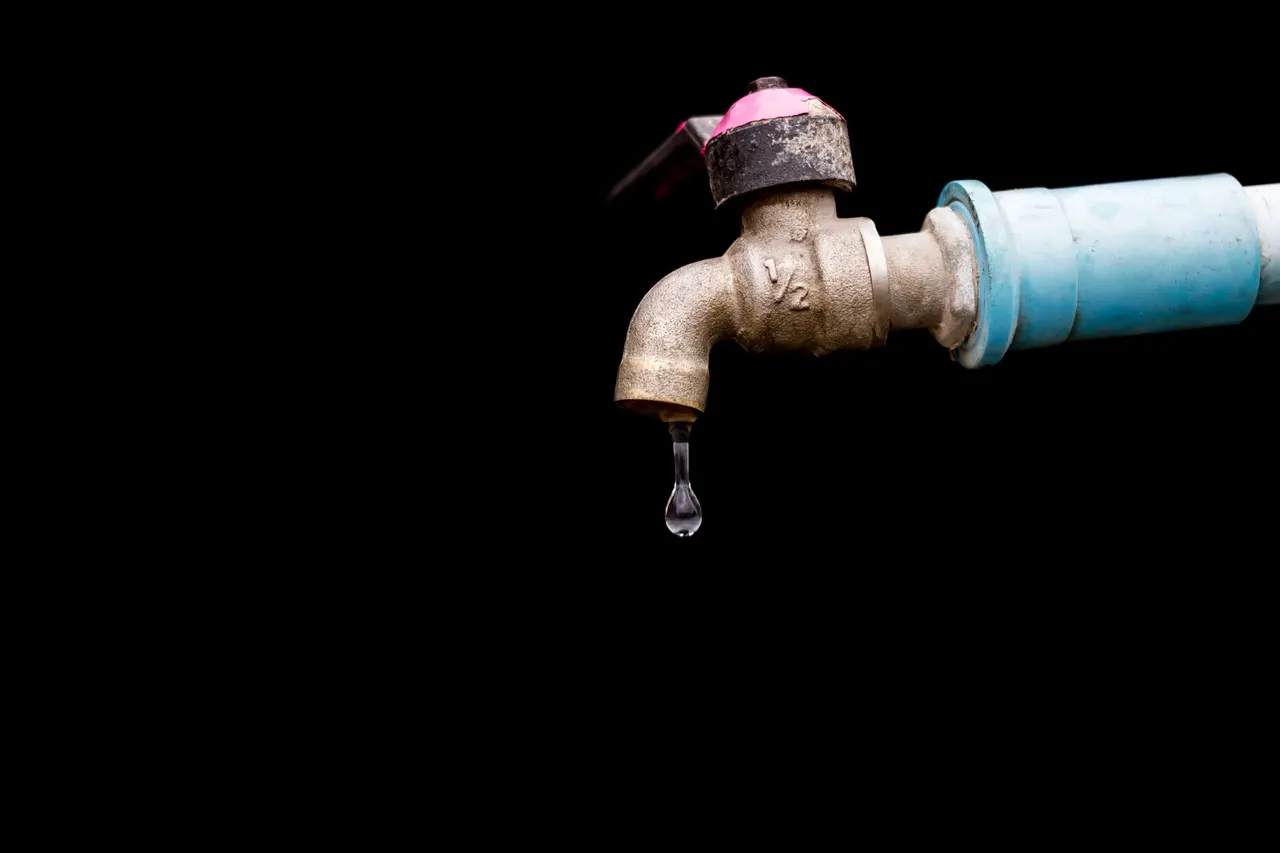
You call 603 571 4078 or book online. We ask a few questions about your system, your water bill, and where you have seen soggy spots. Most Nashua appointments are scheduled the same day or next morning. You get a two-hour arrival window and a text when the technician is on the way.
We isolate each irrigation zone and pressurize it with pressure testing gauges. A zone that will not hold pressure gets flagged immediately. This step takes 20 to 30 minutes and tells us whether the leak is in the mainline, a lateral line, or a valve box.
Next we walk the yard with acoustic listening devices and a FLIR thermal imaging camera. The microphone picks up the sound of water escaping under pressure. The camera shows the temperature signature of saturated soil. Together they pinpoint the break within inches, even under 4 inches of sod.
We mark the spot with biodegradable paint and confirm the diagnosis with a second method, usually a Sewerin tracer gas detector or a RIDGID pipe inspection camera. You see the evidence on screen before we dig. No guesswork, no exploratory trenching.
We excavate a small access hole, cut out the damaged section of PVC pipe or PEX tubing, and install a new fitting with pipe sealant and plumber's tape. Then we re-pressurize the zone and watch the gauge for 15 minutes. If it holds, we backfill, compact, and restore the sod.
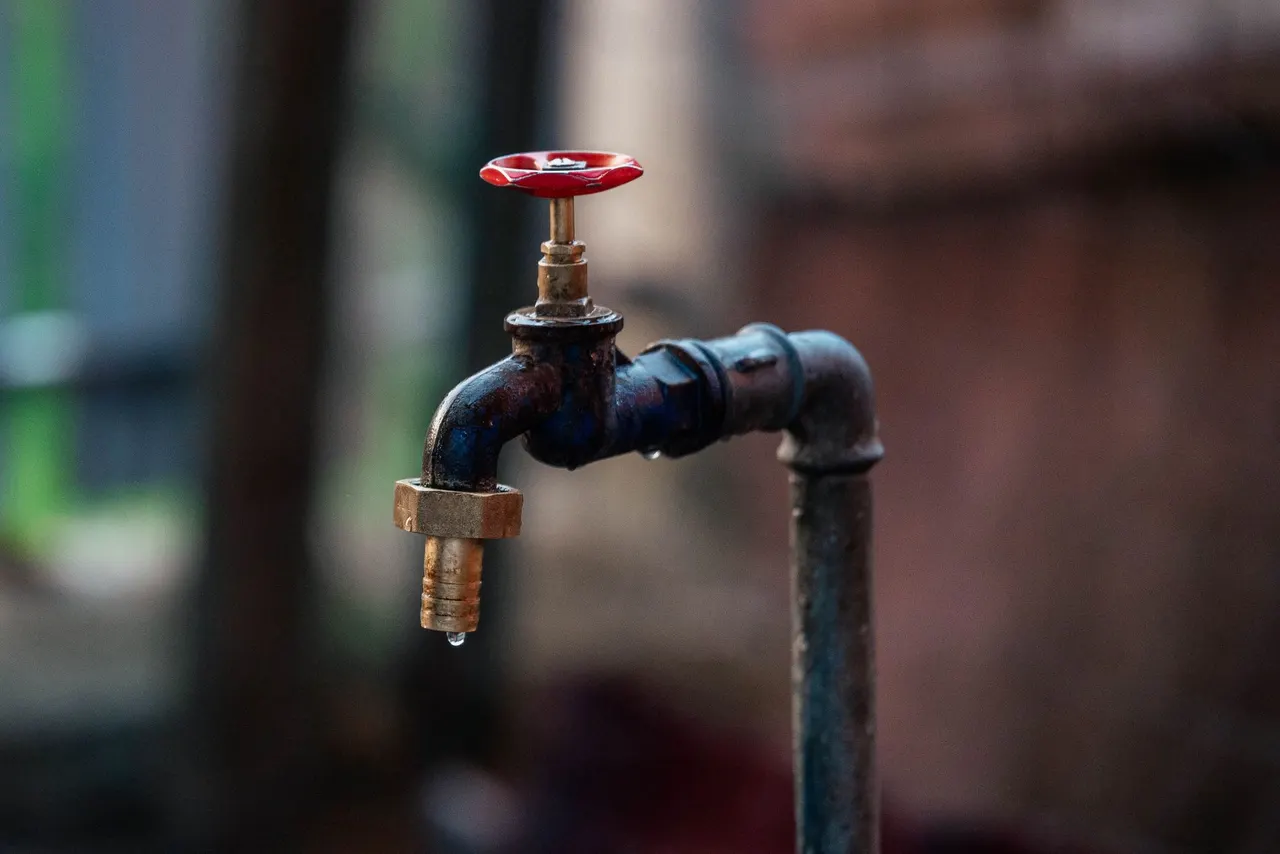
Amplifies the sound of water escaping under pressure. We use it to hear leaks through soil, sod, and asphalt. It is the fastest way to scan a large yard.
Shows temperature differences caused by saturated soil. We scan the irrigated area and compare it to dry ground. Works day or night.
Sniffs for a harmless tracer gas injected into the irrigation line. Pinpoints leaks that acoustic tools miss, especially in clay soil.
Calibrated gauges that isolate each zone and measure pressure loss. Tells us whether the leak is in the mainline or a lateral line.
Lets us see inside PVC pipe and PEX tubing without digging. We confirm cracks, root intrusion, and broken fittings before excavation.
Measures water content in soil and building materials. We use it to check for foundation leaks and slab leaks near the irrigation break.
Our trucks carry Milwaukee and DeWalt cordless tools for fast excavation and repair. We can cut, fit, and test a new pipe section in under an hour.
We close all zone valves and pressurize one zone at a time. A zone that loses pressure has a leak. This method narrows the search area from the whole yard to a single line in about 20 minutes.
We place two acoustic sensors on the ground and compare the sound arrival times. The leak is where the sounds match. This method locates leaks within 6 inches, even under 4 inches of sod.
We walk the irrigated area with a FLIR camera and look for temperature anomalies. Saturated soil is cooler than dry soil in summer and warmer in winter. The camera shows the leak plume clearly.
We inject a harmless gas into the isolated line and sniff the surface with a Sewerin detector. The gas escapes at the leak point. This method works when acoustic tools are confused by background noise.
We test the backflow assembly after every repair to confirm it still meets EPA WaterSense and New Hampshire code. A failed backflow device can contaminate your irrigation water.
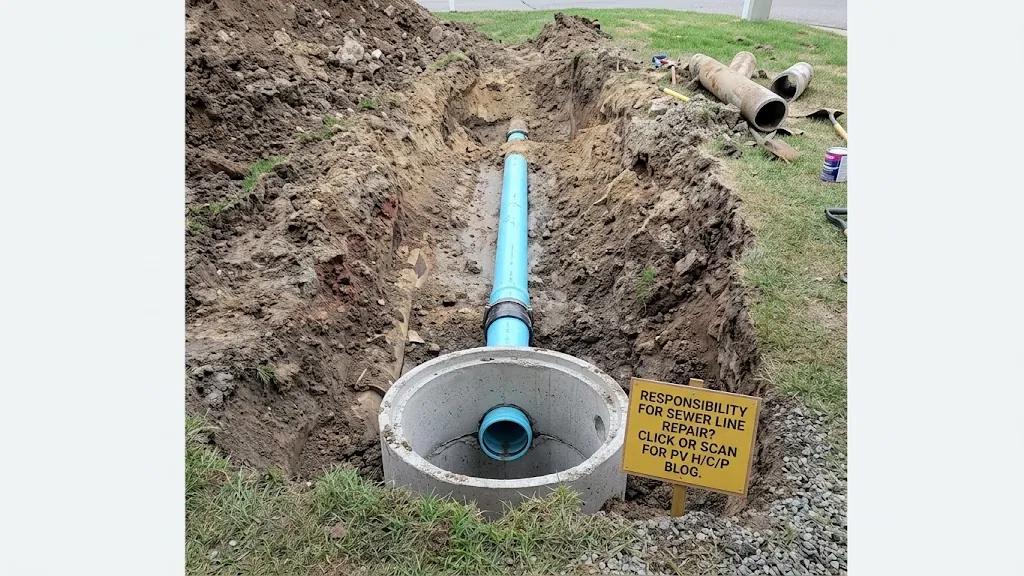
We perform a full zone-by-zone pressure test and acoustic scan. Most hidden leaks are found in under an hour. We mark the spot and give you a repair quote on the spot. Your next water bill drops back to normal, and you avoid thousands of gallons of waste.
We test both the pool plumbing and the irrigation zones. Thermal imaging shows which system is losing water. We repair the irrigation break and re-test the pool lines. You stop losing water to the ground and your pool holds its level.
We run a full leak detection inspection before you close. You get a written report with zone pressures, photos, and repair estimates. It takes about 90 minutes for a typical residential system. You negotiate the repair cost into the sale or walk away knowing exactly what you are buying.
We isolate the zone, locate the break with acoustic tools, and repair the cracked fitting. We use epoxy putty and new PVC pipe to make the repair last through the next freeze. The zone runs at full pressure again, and your driveway stops flooding.
Nashua's climate is hard on irrigation systems. We get freeze-thaw cycles from November through March, and the ground shifts enough to crack fittings and split PVC pipe. Most of the leaks we find in Hillsborough County happen at the zone valve manifold or where a lateral line passes under a driveway. Clay soil holds water, so a small break can turn into a large sinkhole in one season. We also see older polybutylene lines in French Hill and Crown Hill that become brittle after 30 years. If you need affordable sprinkler leak detection Nashua, we know where to look first. We also handle sprinkler system leak detection South Nashua NH, where newer systems often have issues with high water pressure at the mainline connection.
Many homes here have original 1980s irrigation systems with polybutylene lines that crack at the fittings. We carry replacement PEX tubing on every truck.
Newer systems with smart controllers often have high static pressure. We check the pressure regulator at the mainline before testing zones.
The soil near the river is sandy and drains fast, so leaks do not always show as soggy spots. We rely on acoustic tools here more than thermal imaging.
Driveway crossings are common. We use tracer gas detection to find leaks under concrete without breaking the slab.
Water left in the lines expands and cracks fittings. We recommend blowing out the system every fall. If you skip it, we find the break in spring.
Clay holds water and hides the leak plume. Thermal imaging is less effective, so we rely on acoustic listening and tracer gas.
Pressure above 80 PSI stresses fittings and valves. We install a pressure regulator at the mainline to prevent future leaks.
These materials corrode from the inside. We replace the damaged section with PEX tubing or copper pipe, which lasts longer.
A Crown Hill homeowner had a water bill that jumped from $85 to $340 in one month. The lawn had a soggy strip but no visible geyser. Two other companies guessed and quoted full lawn replacement.
We pressure tested all six zones and found zone 3 losing 12 PSI in 10 minutes. Acoustic tools marked the break within 8 inches. We excavated one 14-inch hole, replaced 2 feet of PVC pipe, and re-tested. The bill returned to $88 the next cycle.
Maintenance: We recommended blowing out the system every November and checking the zone valve manifold each spring. The repair has held for two seasons.
A South End homeowner had water bubbling up through the driveway seams. The irrigation line ran under 12 feet of concrete. A competitor said the only fix was to jackhammer the entire driveway.
We used tracer gas detection to pinpoint the leak within 4 inches of the driveway edge. We excavated from the side, sleeved the damaged section with PEX tubing, and pulled it through. The driveway stayed intact. Repair cost $680 instead of $4,500.
Maintenance: We installed a pressure regulator to keep the zone under 65 PSI and advised the homeowner to watch for new wet spots after spring startup.
A Nashua Highlands homeowner noticed dampness in the basement after running the sprinklers. A foundation company quoted $8,000 for waterproofing. The real problem was an irrigation break 3 feet from the foundation.
We scanned the area with thermal imaging and found the leak plume. The break was in a lateral line that had cracked at a fitting. We repaired it in 90 minutes. The basement dried out within a week, and the waterproofing was unnecessary.
Maintenance: We checked the foundation for cracks and found none. The homeowner now runs each zone for 10 minutes monthly to watch for pressure loss.
Most irrigation leaks announce themselves with a high water bill, a soggy patch, or a zone that will not hold pressure. Here are the specific problems we fix every week in Nashua.
A hidden underground break can waste 3,000 gallons per month. You pay for water that never reaches your grass, and the saturated soil kills roots. We pressure test each zone and use acoustic listening devices to find the break. Most leaks are located within 45 minutes. We mark the spot, repair the pipe, and re-test the zone before we leave.
Constant moisture drowns turf roots and invites fungus. It also softens the ground, making it unsafe for kids and pets. Ignoring it leads to a larger sinkhole. We scan the area with thermal imaging cameras to confirm the leak is irrigation-related. Then we trace the line with pipe inspection cameras and repair the damaged section of PVC pipe or PEX tubing.
A zone that will not pressurize usually has a broken lateral line or a failed valve. The rest of the system may still be running, wasting water through the break. We isolate the zone with pressure testing gauges and listen for the leak with acoustic tools. If the valve is the problem, we replace it. If the line is broken, we excavate and repair it.
An irrigation break near the house can push water against the foundation. That leads to foundation leaks, basement dampness, and costly waterproofing. We locate the break with tracer gas detection and repair it fast. Then we check the foundation for signs of water intrusion. Catching it early saves thousands in waterproofing.
My water bill jumped from $80 to $310 in one month. I called Nashua LeakDetectors and they found a broken lateral line under my front lawn in about 40 minutes. They marked it, dug one small hole, and had it repaired the same afternoon. The bill went back to normal the next cycle. Worth every penny.
I had a soggy spot near my foundation that I thought was a slab leak. Their technician used a thermal camera and showed me it was actually an irrigation break pushing water toward the house. He fixed the sprinkler line and checked the foundation for free. Honest and thorough.
We manage six commercial properties in Nashua. Nashua LeakDetectors handles all our irrigation leak calls. They show up when they say they will, they document everything with photos, and their pricing is flat. I do not have to chase them for reports. That is rare in this trade.
Most residential detection jobs in Nashua run $180 to $450 in 2026, depending on how many zones we test and whether the leak is under concrete. That price includes the full pressure test, acoustic scan, and thermal imaging. Repair is quoted separately once we know the pipe material and depth. We give you the detection price upfront before we start.
Start by running each zone for 10 minutes and watching your water meter. If the meter spins with the zone on and stops when it is off, you have a leak in that zone. Look for spongy grass, a constant wet spot, or a geyser at a head. If you cannot narrow it down, call us. We find the exact spot with acoustic and thermal tools in under an hour.
Yes. We locate more than 90 percent of irrigation leaks without any excavation. Acoustic listening devices hear the water escaping, and thermal imaging cameras see the temperature difference in saturated soil. We mark the spot, confirm it with a second tool, and only then dig a small access hole. The hole is usually the size of a dinner plate.
Nashua LeakDetectors fixes them. We are a licensed leak detection and repair company based in Nashua, not a lawn care service. We handle the detection, the excavation, the pipe repair, and the re-test. Call 603 571 4078 and we will schedule a same-day or next-day visit anywhere in Hillsborough County.
Not seeing your question? Our local team can help you understand urgency, scheduling and what to expect.
Ask the local team
We find hidden water leaks inside Nashua homes, from under-sink supply lines to slab leaks. If your sprinkler break has pushed water toward the foundation, we check the interior too. One visit covers both.
View service
Nashua businesses with large irrigation systems need faster answers. We work after hours to avoid disrupting customers, and we document every zone for your property records. Sprinkler leaks on commercial lots can waste thousands of gallons per day.
View service
A slab leak under your Nashua home can be confused with an irrigation break. We use thermal imaging and acoustic tools to tell them apart. If the leak is under the slab, we pinpoint it without breaking the whole floor.
View service
Pool leaks and sprinkler leaks share symptoms: wet spots and high water bills. We test both systems in one visit. Nashua pool owners save money by fixing the irrigation break first, then re-testing the pool level.
View service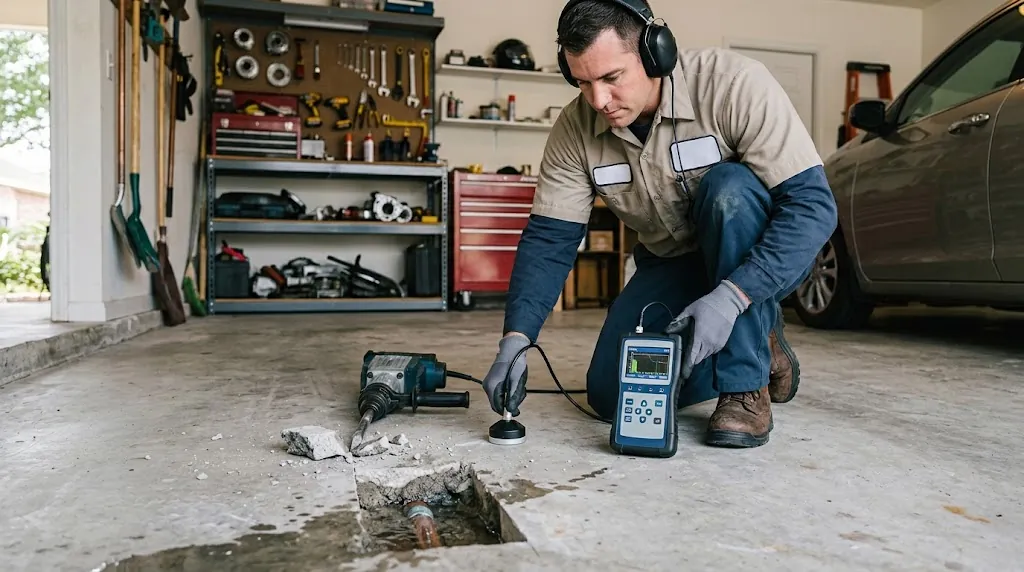
Call 603 571 4078 any hour, day or night, and a real person answers. We schedule same-day appointments for most leak calls in Nashua and the surrounding Hillsborough County area, and we confirm your window before we roll a truck.