Focused arrival windows
Useful updates and clear arrival timing.
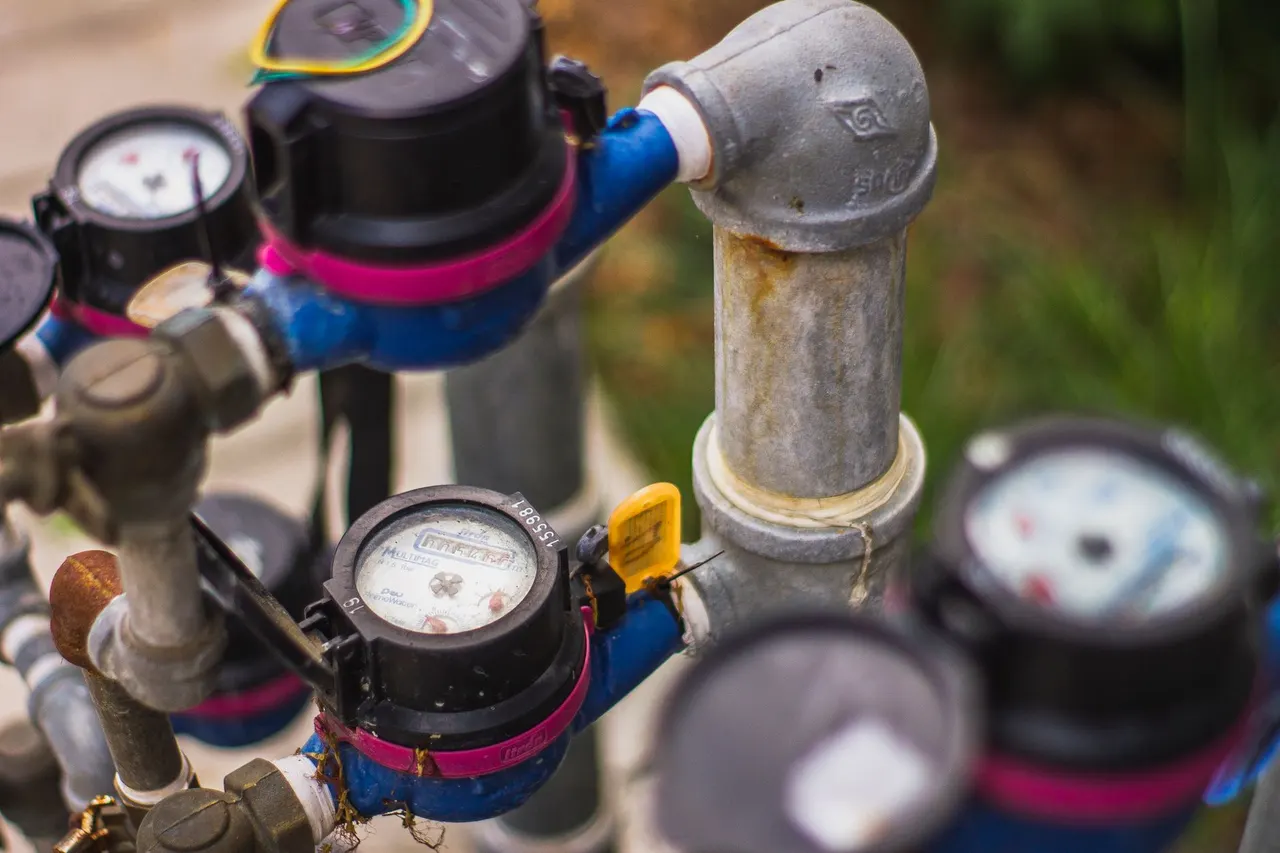
Pipe leak detection Nashua NH homeowners call first when water shows up where it shouldn't. Our licensed techs trace hidden pipe leaks in copper, PEX, and PVC with thermal imaging cameras and acoustic listening devices, then complete pipe leak repair in Nashua the same visit whenever the line allows. If you have a wet ceiling, a climbing water bill, or a meter that never stops spinning, call 603 571 4078.
Useful updates and clear arrival timing.
Review the approach and price before deciding.
Equipped vehicles and respectful cleanup.
Neighbors serving neighbors with follow-through.
Every call includes a full diagnostic sweep, a marked leak location, and a written pressure reading. Repair is quoted separately once we know what we are dealing with, and we credit the detection fee toward the repair when you book it the same visit.
We isolate your fixture groups and pressurize each branch with pressure testing gauges. A drop of 2 to 5 psi over 15 minutes confirms an active leak and narrows the search to one section of pipe.
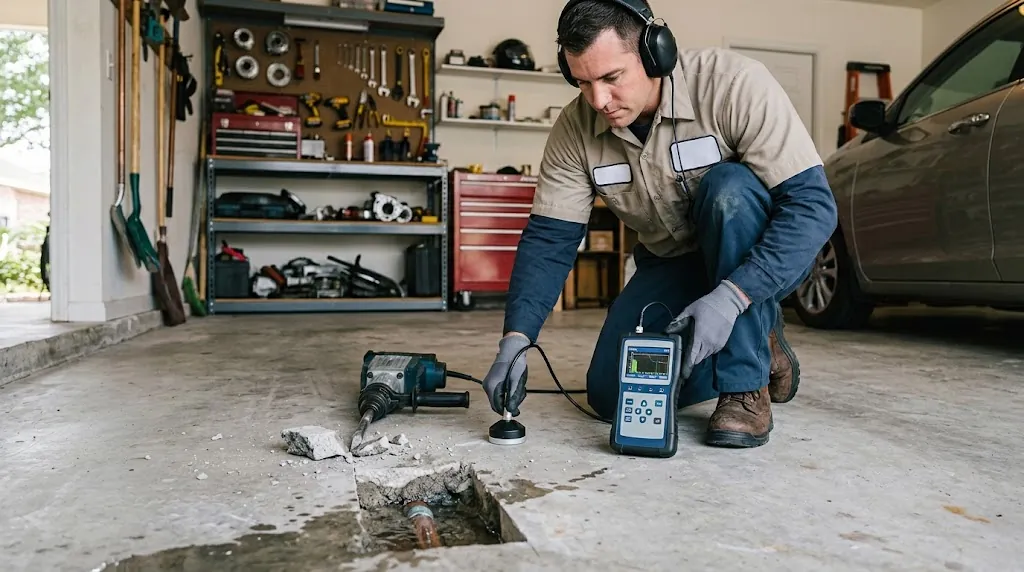
We walk the suspect run with a FLIR thermal imaging camera and acoustic listening devices. Hot-water leaks show as a warm bloom; cold leaks hiss through slab and tile. Most finds land in 45 to 90 minutes.
We mark the spot with tape and photograph it before any cut. You see exactly where the failure is and how big an access opening we need, usually 6 to 12 inches.
Moisture meters map how far water has traveled from the leak. That tells you which drywall, insulation, or flooring needs attention beyond the pipe itself, and what can stay.
After the repair we re-pressurize the line and hold it. You get a final pressure reading and a photo of the finished work before we pack the van.
Share what is happening and receive a clear next step from the local team.
Pipe leak detection Nashua NH is the process of pinpointing water escaping from supply, drain, or heating lines before it damages your home. We pressurize the system, then read the line with acoustic listening devices, thermal imaging cameras, and moisture meters to separate a real pipe failure from condensation or a roof leak. Once we mark the spot, we open the smallest access point possible, repair the pipe, and pressure-test it before we pack up.
Nashua's housing stock runs from 1890s Crown Hill triple-deckers with original galvanized steel to new PEX builds out near Exit 8. Cold snaps push frost six feet down and split underground water line leaks that sat quiet all summer. If you need pipe leak detection near me Nashua NH in a hurry, we run 24/7 emergency calls and can usually be on site the same day you call.
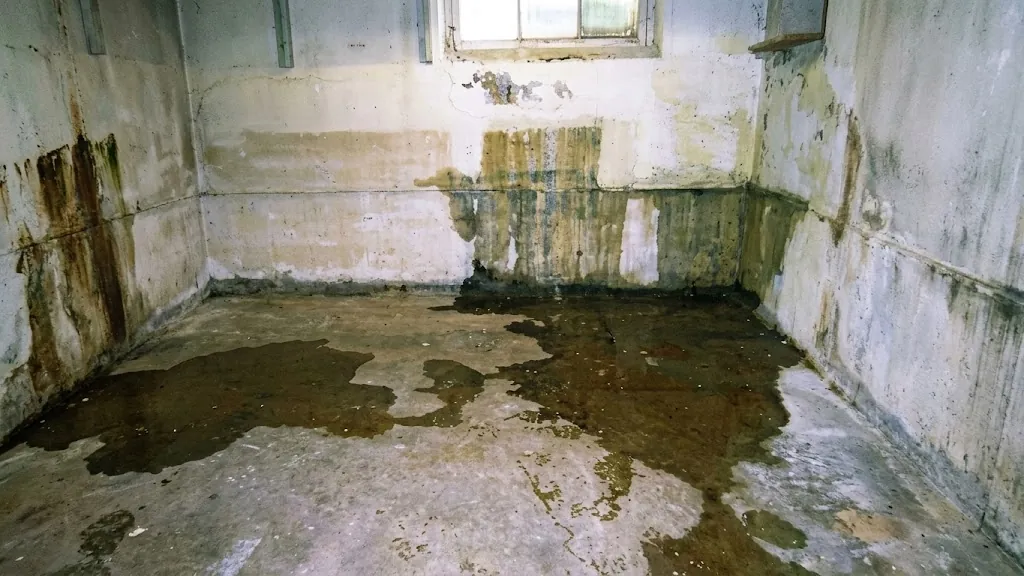
We ask four questions: where is the water, when did it start, is the meter spinning, and is the heat on. That tells us whether you are looking at a supply-side pipe leak or a drain issue, and whether you need to shut the main off before we arrive. Takes 5 minutes.
On site, we isolate the fixture groups and pressurize the line with pressure testing gauges. A drop of 2 to 5 psi over 15 minutes confirms an active leak and tells us which branch is losing water. This step rules out the guesswork before we open anything.
We walk the suspect run with acoustic listening devices and a FLIR thermal imaging camera. Copper pipe leaks hiss at a frequency the microphone picks up through slab and tile; hot-water leaks bloom as a warm signature on the camera. Most finds land in 45 to 90 minutes.
We mark the spot with tape and a photo, then cut the smallest opening that lets us reach the pipe. On a slab leak that might be a 12-inch square; behind a wall it is often a 6-inch access panel you can cover with a return-air grille later.
We cut out the failed section, sweat or crimp in new copper pipe or PEX tubing, and re-pressurize the line. You get a photo of the repair, a final pressure reading, and a walkthrough before we leave. Typical total job time runs 2 to 4 hours.
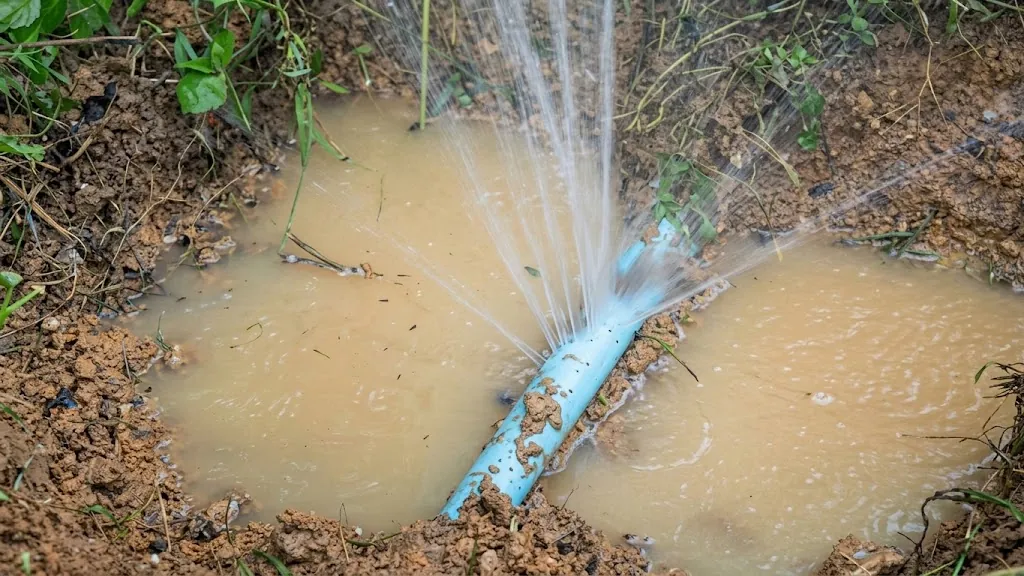
Pick up the hiss of escaping water through concrete, tile, and soil. This is our first pass on every underground and slab call in Nashua.
Read temperature differences through drywall and slab. Hot-water pipe leaks bloom as a warm signature, which lets us mark the spot before cutting.
For hard-to-find leaks, we introduce a safe tracer gas and sniff for it at the surface. It pinpoints underground water line leaks within about a foot.
Run through drain and sewer lines to find breaks, offsets, and root intrusion. We confirm the depth and location before anyone digs.
Isolate and pressurize each branch of your plumbing. A 2 to 5 psi drop over 15 minutes confirms an active leak and tells us which section is failing.
Catch high-frequency sound that the human ear misses, especially on gas line leaks and small pinholes in copper pipe.
Cut, crimp, and sweat pipe on site. Every van carries both platforms so the repair finishes the same visit as the detection.
We close off fixture groups and pressurize each branch separately. This narrows a whole-house leak to one run of pipe in about 15 minutes, which saves hours of unnecessary demolition.
Two sensors on either side of the suspect line triangulate the sound of escaping water. On slab leaks this gets us within 6 to 12 inches of the break before we cut concrete.
We run hot water through the line and watch the thermal camera. The temperature change traces the pipe path through the wall and highlights the leak point as a hot or cold bloom.
A safe gas mixture goes into the isolated line and we sniff the surface above it. This is our go-to for underground water line leaks where acoustic gear gets muffled by saturated soil.
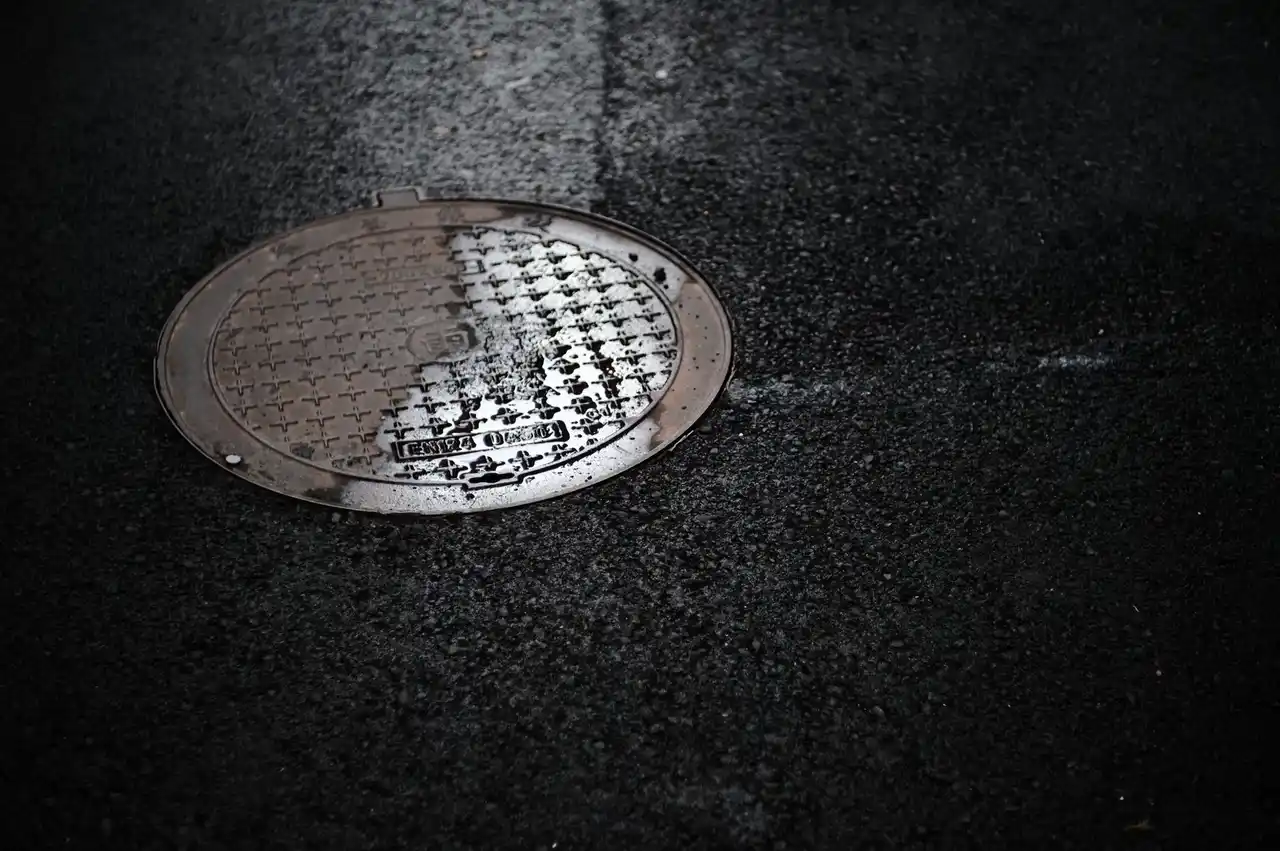
That is a supply-side pipe leak. We pressure-test each branch, then sweep with acoustic and thermal gear to find the failure. Most calls like this are located and repaired the same day. You stop paying for water you never used, and the line holds pressure again.
We check whether it is a burst pipe or a roof leak using moisture meters and thermal imaging. If it is a pipe, we open a small access panel and repair the section. The right repair gets done once, and you are not paying a roofer for a plumbing problem.
We work after hours, pinpoint the break with acoustic gear, and repair the line with minimal demolition. Tenants keep their water on the whole time. The leak is fixed overnight and your tenants open for business as usual.
We run a pre-purchase leak inspection covering supply lines, drains, and fixtures. You get a written report with pressure readings and photos of anything that needs work. You negotiate with facts instead of inheriting a $4,000 surprise.
Nashua sits on a mix of old and new plumbing. Crown Hill and French Hill have 1890s triple-deckers with original galvanized steel that corrodes from the inside and fails at the threads. South End and Broad Street Park ran copper pipe through the 1950s and 1960s, and those lines are now hitting the pinhole-leak years. Newer builds off Exit 8 use PEX tubing, which fails at the crimp rings more often than the pipe itself. Winter is the busy season. Frost drives six feet down in Hillsborough County, and a poorly insulated line in a crawlspace or against a foundation wall will split when the temperature drops below 10 degrees. We see a spike in emergency pipe leak repair Nashua New Hampshire calls every January. Summer brings its own work: irrigation systems charged up in May, and underground water line leaks that sat quiet all winter finally show as a soggy patch in the lawn. If you are trying to work out how to find a pipe leak in Nashua on your own, start by shutting every fixture and watching the meter. If it still spins, call us.
1890s triple-deckers with original galvanized steel supply lines. Threads fail first, usually at the fitting behind a kitchen wall.
Dense multi-family housing with shared walls. Leaks travel sideways, so we often find the source one unit over from the stain.
1950s and 1960s copper pipe now hitting the pinhole years. Most calls here are slab leaks under the kitchen or bath.
Frozen pipe calls spike here in January. Crawlspace runs against the foundation wall are the usual suspects.
Newer PEX builds. Failures are usually crimp rings or a nail strike from a renovation, not the tubing itself.
Buried water lines sit below the frost line, but exposed runs in crawlspaces and against foundation walls freeze and split. We see the most emergency calls in January and February.
Lines installed before 1970 corrode from the inside. Pressure testing finds the weak branch before it fails, which is why we recommend a sweep on any pre-1970 Nashua home.
Saturated soil muffles acoustic signals, so we lean on tracer gas detectors for underground water line leaks in these neighborhoods.
A Crown Hill homeowner had a $210 water bill spike and a soft spot in the kitchen drywall. Two other plumbers had checked the visible pipes and found nothing. The meter was spinning at 1 gallon per hour with every fixture off.
We pressure-tested the branches, isolated the kitchen run, and found a pinhole in the copper behind the cabinets with the thermal camera. Cut out 8 inches of pipe, sweated in new copper, and re-pressurized. Total job time: 2.5 hours. Water bill dropped back to normal the next cycle.
Maintenance: We recommended a full-home pressure test every two years on the remaining 1960s copper. Catching the next pinhole early saves the drywall repair.
Warm tile in a South End bathroom and a meter that never stopped. The homeowner had been told the whole slab needed to come up. We ran acoustic correlation and pinpointed the break within 10 inches of the toilet flange.
We opened a 12-inch square in the slab, repaired the hot-water line, and re-poured. The homeowner kept the rest of the floor intact. Job finished in 4 hours. The heating cost from the warm slab dropped off the next bill.
Maintenance: We suggested a pressure test on the rest of the slab run each fall. Slab leaks often come in pairs on older copper.
A 5 a.m. call in January. A supply line against the foundation wall split during a cold snap and was spraying the crawlspace. The homeowner had already shut the main off, which saved the floors.
We arrived in 70 minutes, cut out the split section, and replaced it with PEX tubing that flexes instead of splitting. Added pipe insulation on the exposed run. System back online by 9 a.m. No water damage beyond the crawlspace vapor barrier.
Maintenance: We re-insulated the whole exposed run and told the homeowner to leave cabinet doors open under the sink during cold snaps below 10 degrees.
Most calls come down to one of these. If yours is not listed, call anyway. We have seen it in 16 years of Hillsborough County work.
A hidden pipe leak can waste 9,000 gallons a month and rot framing behind the wall before you ever see a stain. We pressure-test the system, then sweep with acoustic and thermal gear to find the exact failure point. Most hidden leaks are located in under 90 minutes without opening a single wall.
Slab leaks undermine flooring, drive up heating costs, and can crack the concrete if the soil stays saturated through a Nashua winter. We pinpoint the break under the slab with acoustic listening devices, then open a small access square and repair the line. Most slab repairs finish in 3 to 5 hours.
A split copper pipe can dump 250 gallons an hour into your basement. Every hour you wait adds thousands in water damage. We run 24/7 emergency calls and average 60 to 90 minute arrival after hours. We isolate the line, repair the split, and re-pressurize before we leave.
A break between the street and the meter can flood your yard, undermine the driveway, and run your water bill past $500 a month. We use tracer gas detectors and acoustic gear to find underground water line leaks without trenching the whole yard. Most finds are within a foot of the actual break.
Our water bill jumped $180 in one month and we could not find the source. The tech pressure-tested the line, then used a thermal camera on the kitchen wall and found a pinhole in the copper behind the cabinets. He had it cut out and repaired in under three hours. No demolition beyond a small access panel.
We manage six commercial units downtown and had a slab leak in one of them. Nashua LeakDetectors pinpointed it within a foot using acoustic gear, opened a 12-inch square, and had the line repaired the same day. Tenants never lost water service. That is why we call them first now.
Frozen pipe burst at 5 a.m. in January. I called and a tech was at the house in about 70 minutes. He isolated the line, repaired the split copper, and re-pressurized the system before noon. The price was exactly what he quoted on the phone. No surprises.
Most residential pipe leak detection calls in Nashua run $189 to $450 in 2026, depending on how many lines we sweep and whether the leak is above or below slab. Emergency and after-hours calls carry a higher rate. If you book the repair with us the same visit, we credit the detection fee toward the work.
We pressurize the line with pressure testing gauges, then sweep it with acoustic listening devices and a FLIR thermal imaging camera. Copper pipe leaks give off a hiss the microphone catches through slab and tile; hot-water leaks show as a warm bloom on camera. Most finds take 45 to 90 minutes.
Yes. Thermal imaging cameras and ultrasonic leak detectors read through drywall, plaster, and tile without cutting. We mark the spot, then open a 6-inch access panel instead of tearing out a whole wall. You get a photo of the exact location before we cut anything.
We do. Nashua LeakDetectors handles detection and pipe leak repair Nashua homeowners need on copper, PEX, and PVC lines, plus slab leaks and underground water line breaks. We are licensed, insured, and have worked Hillsborough County since 2010. Call 603 571 4078.
Not seeing your question? Our local team can help you understand urgency, scheduling and what to expect.
Ask the local team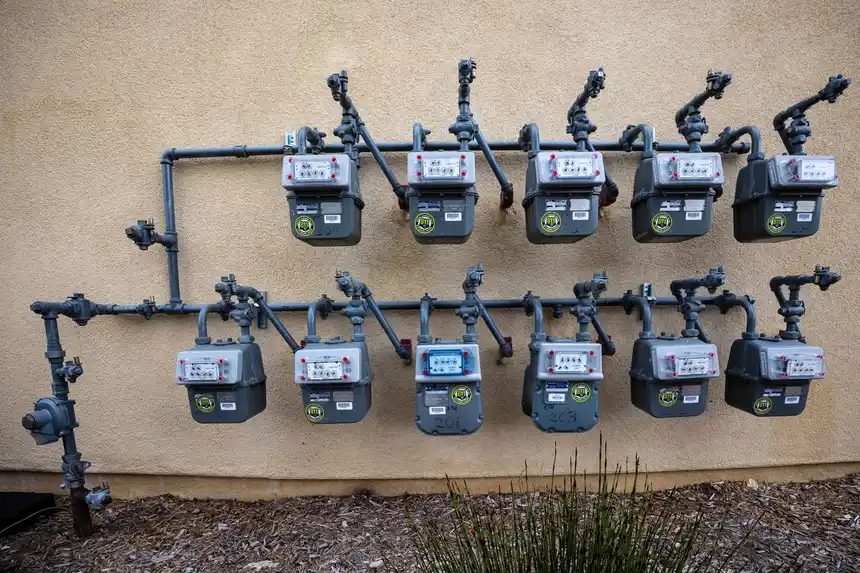
Whole-home leak sweeps for Nashua houses, from 1890s Crown Hill triple-deckers to new builds off Exit 8. We check supply lines, drains, and fixtures in one visit so a small pipe leak does not turn into a ceiling repair.
View service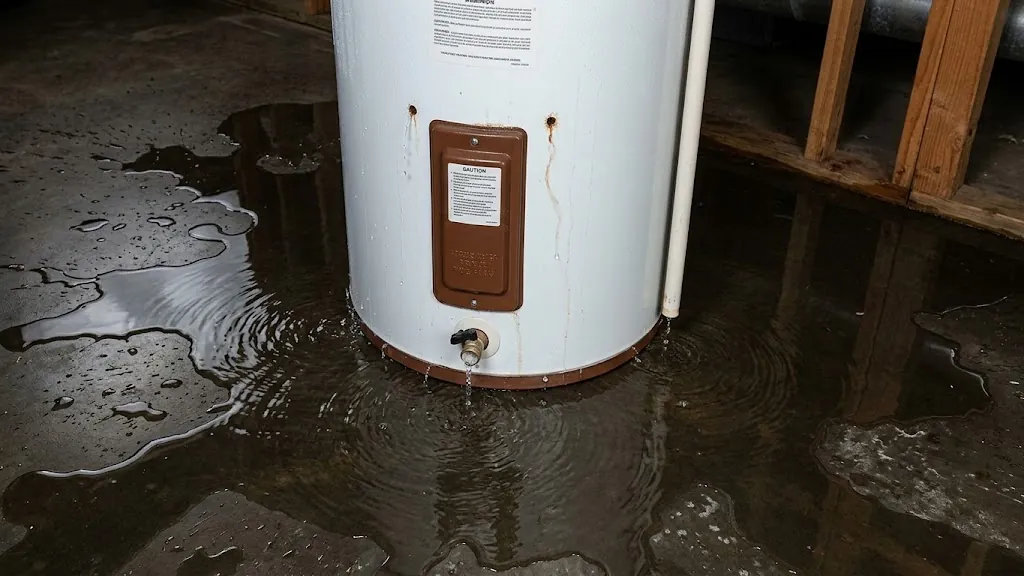
Restaurants, offices, and retail along Main Street District and the Nashua Mall Area lose money on every hour a line leaks. We work after hours to keep your water off and your doors open.
View service
Warm spots on the floor and a spinning meter usually mean a slab leak. We pinpoint the break under the concrete with acoustic gear, then repair the line with minimal demolition.
View service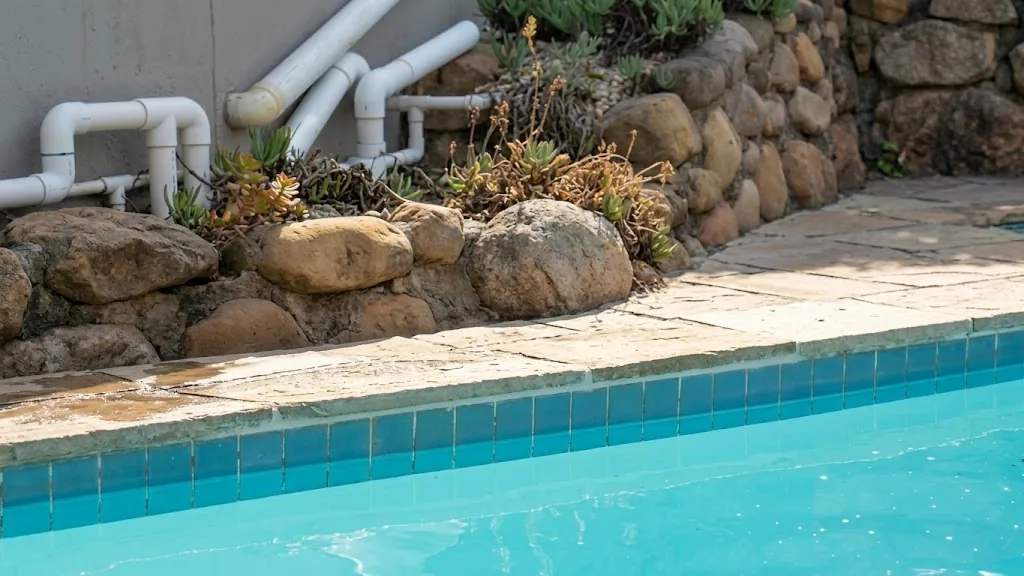
A pool losing an inch a day is leaking somewhere. We pressure-test the plumbing and dye-test the shell to separate a pipe leak from evaporation before you start digging.
View service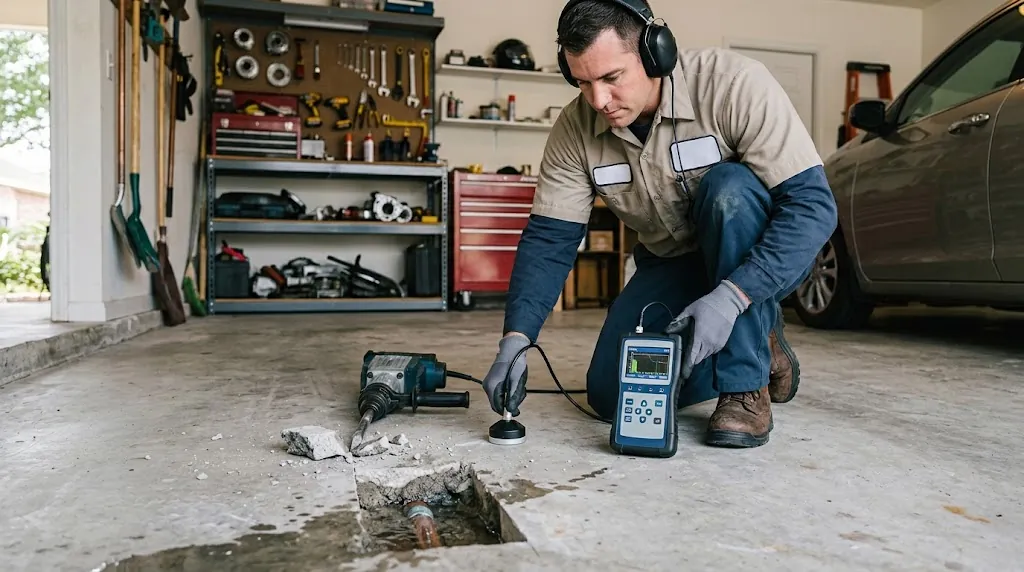
Call 603 571 4078 any hour, day or night, and a real person answers. We schedule same-day appointments for most leak calls in Nashua and the surrounding Hillsborough County area, and we confirm your window before we roll a truck.