Focused arrival windows
Useful updates and clear arrival timing.

Leak Detection Inspections Nashua NH is the fastest way to stop a hidden leak before it rots framing, warps floors, or spikes your water bill. We run home leak inspection Nashua calls for slab leaks, water line leaks, gas line leaks, and roof leaks across Hillsborough County. Same-day slots, 24/7 emergency response, and a written report before we leave.
Useful updates and clear arrival timing.
Review the approach and price before deciding.
Equipped vehicles and respectful cleanup.
Neighbors serving neighbors with follow-through.
Every inspection is a full diagnostic, not a quick look. Here is what is covered in the flat rate. Repairs are quoted separately, and we will always tell you if a fix can wait.
We isolate the supply system and hold it under pressure with calibrated gauges. A drop tells us there is a leak on the pressurized side. A hold tells us to look at drains, sewer, or the roof. It takes about 20 minutes and sets the direction for the whole visit.
A FLIR camera reads surface temperature across every wall, floor, and ceiling. Wet material runs 5 to 12 degrees cooler than dry, so a hidden pipe leak shows up as a cold streak. We photograph every hit and mark it with tape.
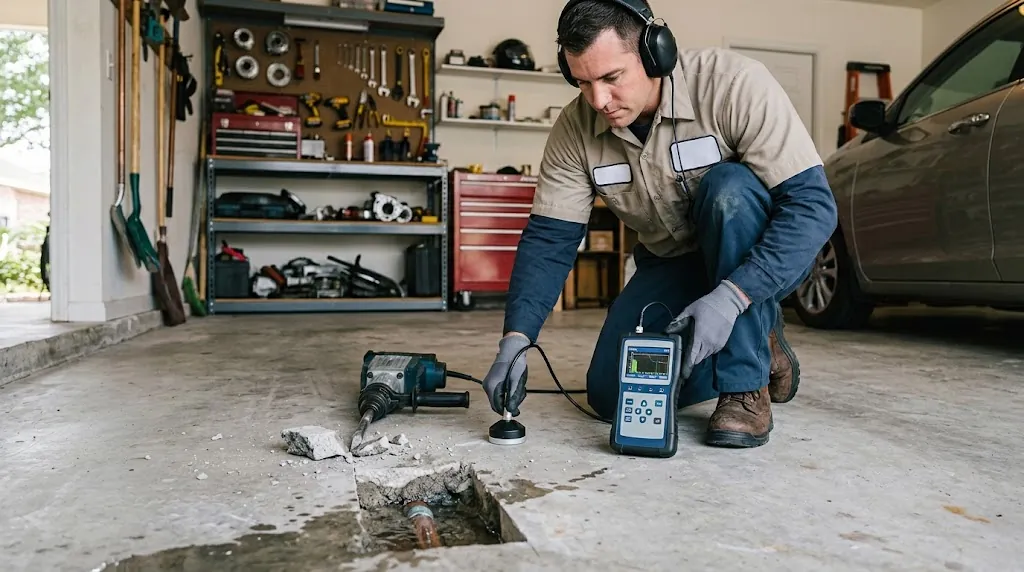
Acoustic listening devices amplify the sound of water escaping a pressurized pipe. We listen at walls, floors, and the meter. It is the same method utilities use on city mains and it finds leaks that thermal imaging alone can miss.
We take moisture meter readings at every suspect spot and log the percentage. You get a baseline number, so you can tell whether a wall is drying out or getting wetter after a repair. It also tells us whether the subfloor is still sound.
For underground water line leaks and sewer line leaks, we run a General Pipe Cleaners camera down the line and watch the monitor with you. You see the crack, the root, or the offset joint with your own eyes before you approve any repair.
Before we leave, you get a written report with leak location, pipe material, moisture readings, photos, and a flat-rate repair quote. It is yours to keep, and it stands on its own if you want a second opinion.
Share what is happening and receive a clear next step from the local team.
Leak Detection Inspections Nashua NH is a diagnostic service that pinpoints where water, gas, or sewer is escaping a pipe, fixture, or slab before any wall gets opened. We start with a full pressure test on the supply side, then sweep the building with thermal imaging cameras and acoustic listening devices to hear water moving behind drywall or under concrete. Once we have a hit, a pipe inspection camera confirms the exact depth and material so the repair crew cuts once, not three times.
Nashua homes built before 1970 usually still run copper pipe, and that copper has had decades of New Hampshire freeze-thaw cycles working on it. Add PEX retrofits, cast-iron drains in the older French Hill and Tree Streets stock, and you get the mix of hidden pipe leaks we see every week. If you have been searching leak detection inspections near me Nashua NH, that is usually a water heater leak, a slab leak, or an underground water line leak that has already soaked the subfloor.
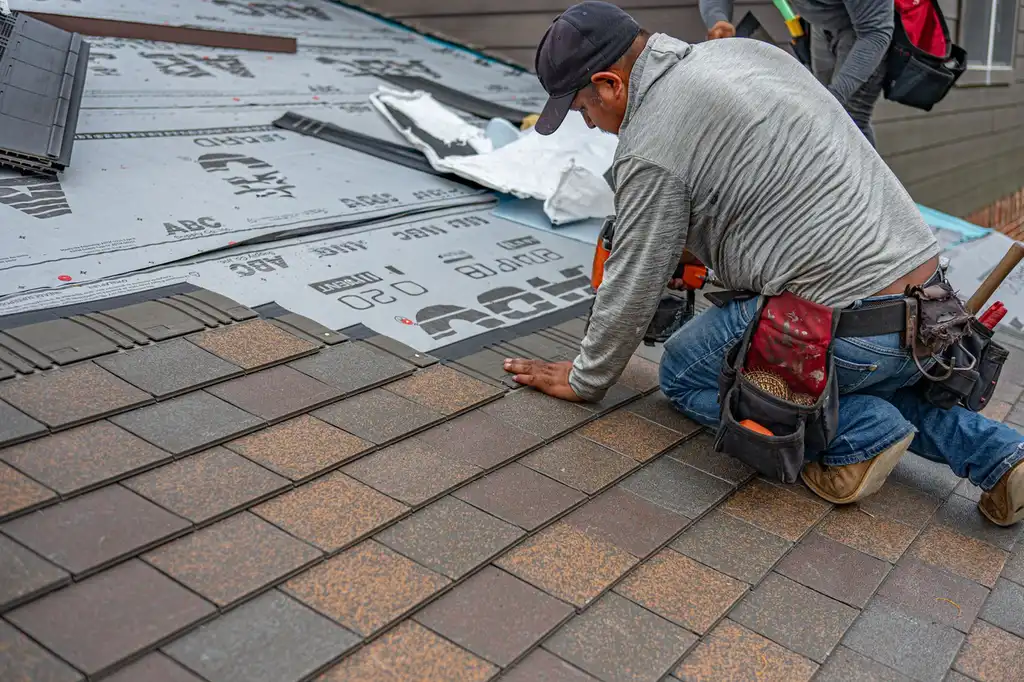
You call 603 571 4078 and describe what you are seeing: a wet spot, a spike in the water bill, a hissing sound, a warm floor. We ask four or five questions, tell you whether to shut the main off, and book a same-day or next-morning slot. Emergency calls get a technician rolling within 60 minutes.
First thing on site, we isolate the supply system and pressurize it with a gauge. If the needle drops, you have a supply-side leak. If it holds, the problem is on the drain, sewer, or roof side. This single test saves an hour of guessing and tells us which tools to pull out of the truck.
We walk the house with acoustic listening devices and a FLIR thermal imaging camera. Water moving through a cracked pipe makes a distinct frequency, and a wet wall reads 5 to 12 degrees cooler than dry drywall. We mark every hit with painter's tape so you can see the evidence yourself.
For underground water line leaks and sewer line leaks, we run a General Pipe Cleaners inspection camera down the line. You watch the monitor with us. We confirm pipe material, crack size, root intrusion, and depth, then write the repair plan around what the camera actually shows.
Before we pack up, you get a written report: leak location, pipe material, moisture meter readings, photos, and a flat-rate repair quote. If you want us to do the fix, we schedule it. If you want a second opinion, the report stands on its own. No pressure either way.
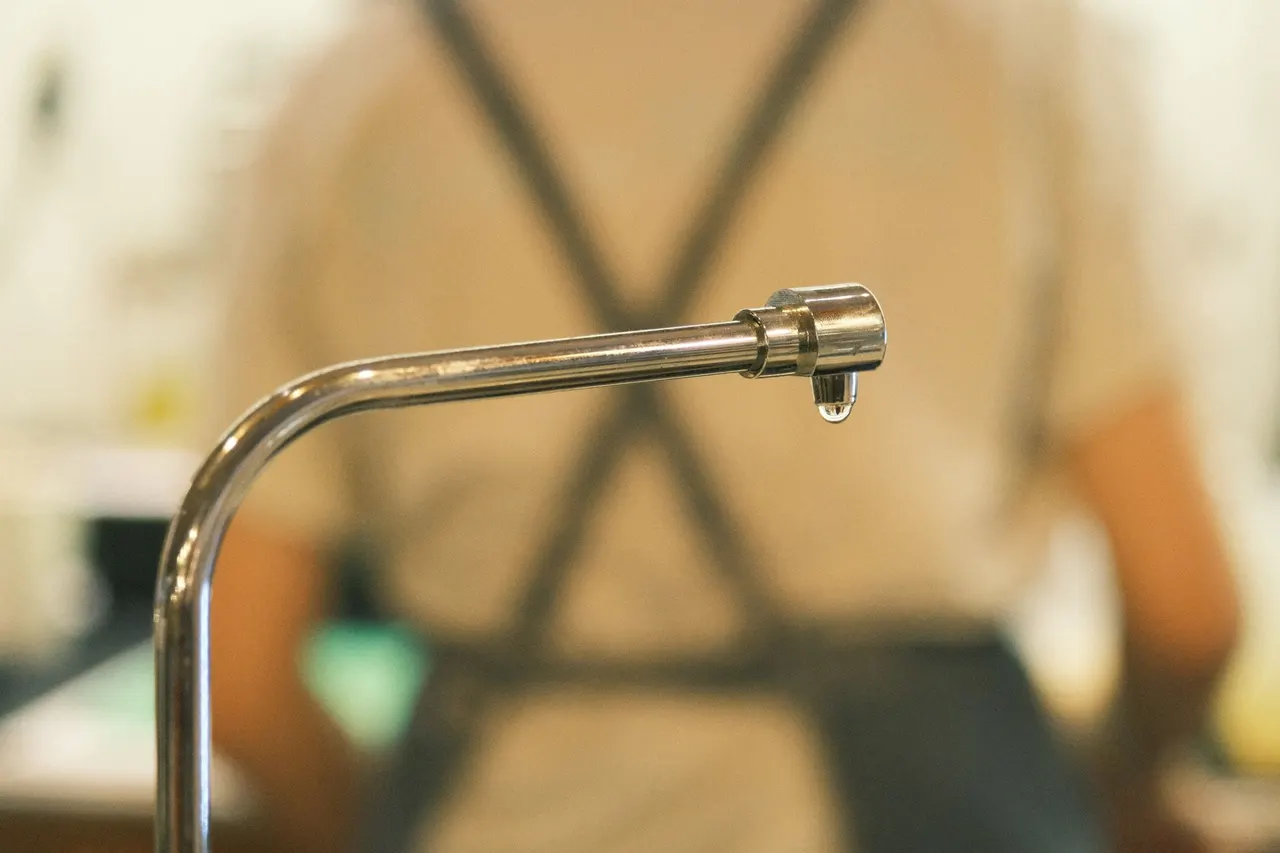
Read surface temperature differences as small as 0.1 degrees to spot wet walls, warm slab leaks, and hidden moisture behind paint without opening anything.
Amplify the sound of pressurized water escaping a pipe. Used on walls, floors, and underground lines to pinpoint leaks that thermal imaging cannot reach.
Read tracer gas and natural gas down to parts per million. The go-to tool for gas line leaks and hard-to-find buried line leaks.
Push down sewer and water lines to show cracks, root intrusion, and offset joints on a monitor. You see the problem with your own eyes.
Isolate the supply system and hold it under pressure. A dropping needle confirms a leak on the pressurized side in about 20 minutes.
Log percentage readings at every suspect spot so you have a baseline. Tells us whether a wall is drying or getting wetter after a repair.
Locating tools, inspection reels, and pipe wrenches we trust on every job. DeWalt and Bosch gear fills out the rest of the truck.
We close the main, isolate the supply system, and pressurize it with a gauge. If the needle drops, the leak is on the pressurized side. If it holds, we move to drains, sewer, or roof. This single test saves an hour of guessing on every job.
A thermal hit tells us where. An acoustic hit tells us what. When both point to the same spot, we have a confirmed leak. When they disagree, we run a camera or tracer gas before we cut anything.
For buried lines and slab leaks that pressure testing cannot isolate, we inject a safe tracer gas into the line and read it at the surface with a Sewerin detector. It finds leaks that acoustics miss, especially under concrete and frozen ground.
Before any repair quote, we run a camera down the line and watch the monitor with you. You see the crack, the root, or the joint. No repair gets quoted without visual proof unless the line is inaccessible, and then we say so.
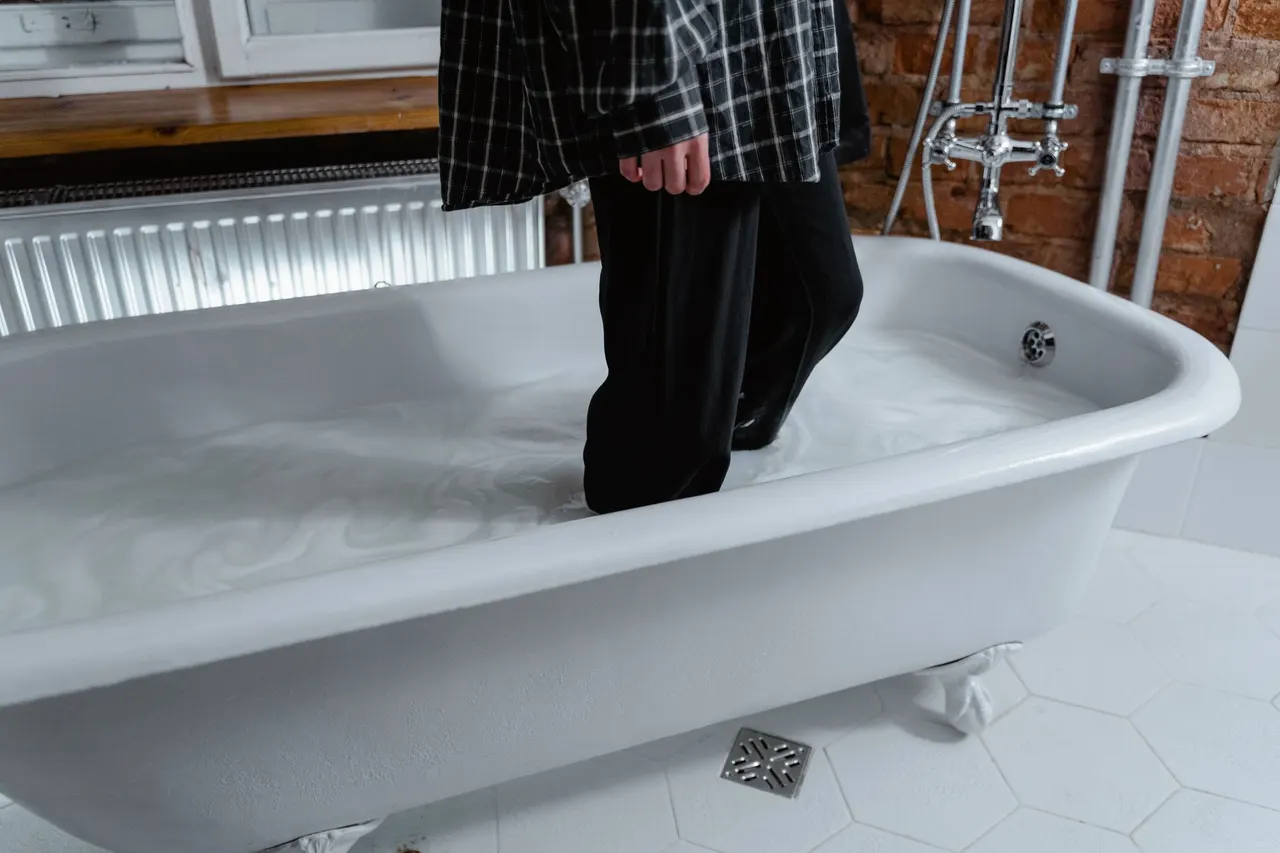
We run a full leak detection inspection before closing: pressure test, thermal sweep, and moisture meter readings on every wall. You get a written report with photos and a repair estimate you can use in negotiation. Buyers walk into closing knowing whether the moisture is a $200 fix or a $6,000 slab repair, and sellers get a clear path to close.
We inspect the tank seam, T&P valve, anode rod, and all connections. If it is a fitting, we fix it. If the tank is gone, we tell you straight and quote a replacement. You either spend $150 on a fitting or plan a tank swap before it floods the basement on a holiday weekend.
Frozen ground pushes underground water line leaks to the surface as wet patches or low pressure. We use acoustic listening devices and tracer gas to find the break without digging up the whole yard. We mark the trench line, dig one hole, and fix the pipe. Most frozen-ground water line repairs finish in a single day.
We run after-hours commercial leak detection so your tenants are not disrupted. Pressure testing, thermal imaging, and camera inspection on the sewer and water mains. You get a report with the leak location and a repair plan you can schedule around business hours, not during them.
Nashua sits in Hillsborough County where winter lows hit minus 10 and the ground freezes 36 to 48 inches deep. That freeze-thaw cycle is hard on copper pipe and PEX fittings, and it is why we see a spike in burst-pipe and underground water line leak calls from December through March. The older housing stock in Crown Hill, French Hill, and Tree Streets still runs a mix of copper supply lines and cast-iron drains, while newer builds out by the Nashua Mall Area use PEX and PVC. We match the tool to the material: acoustic gear for copper, pressure testing for PEX, camera inspection for cast iron. If you need leak inspection services Nashua that understand what a New Hampshire winter does to a plumbing system, call 603 571 4078. We also handle the summer side: irrigation system leaks and pool leaks that show up when the ground dries and cracks.
1890s Victorians with original copper supply lines and cast-iron drains. Slab leaks and hidden pipe leaks are common in the older basements here.
Dense multi-family stock where a leak in one unit often shows up in the unit below. We test both sides before quoting a repair.
Post-war ranches on slabs. Warm floors and hairline cracks usually mean a hot-water slab leak under the concrete.
Commercial and mixed-use buildings with high water demand. After-hours inspections keep businesses open while we work.
Newer construction with PEX and PVC. Leaks here are usually fitting failures, not pipe failures, and pressure testing finds them fast.
Underground water line leaks get pushed to the surface as wet patches or low pressure. We use acoustic listening and tracer gas instead of digging, which keeps the yard intact until we know exactly where the break is.
Copper thins from the inside and pinholes at joints. Acoustic gear hears the leak before it soaks the drywall. We mark the spot and cut once.
Cast iron cracks and scales over decades. A camera inspection shows the break and tells us whether a spot repair or a full replacement is the right call.
A broken irrigation zone or a pool losing an inch a day wastes hundreds of gallons a week. We pressure-test each zone and use tracer gas on buried lines.
The homeowner noticed a warm spot in the hallway and a water bill that jumped from $60 to $190 a month. Two other plumbers quoted a full slab break-out without confirming the leak location.
We pressure-tested the supply, confirmed a hot-water slab leak with thermal imaging, and marked a 2-foot repair zone. The cut was small, the copper was fixed in one day, and the bill dropped back to $62 the next cycle.
Maintenance: We recommend a pressure test every two years on slab homes and a moisture meter check each fall before the ground freezes.
A family in Crown Hill smelled gas near the basement water heater at 9 p.m. They shut the valve and called us. The fitting had been weeping for weeks and the smell was just starting to reach the first floor.
Our technician arrived in under an hour, confirmed the leak at the union with a Sewerin tracer gas detector, and repaired the joint with code-correct pipe sealant. We re-tested twice and the reading was zero.
Maintenance: Check the water heater connections and T&P valve every six months, and call us immediately if you smell gas again.
A homeowner on the South End had low water pressure and a wet patch in the yard in the middle of a February freeze. The water bill had climbed 40 percent in two months.
Acoustic listening devices and tracer gas found the break 18 inches down, 12 feet from the foundation. We dug one hole, replaced the failed section of copper, and restored full pressure the same day.
Maintenance: Keep the trench area clear of landscaping and schedule a pressure test each fall before the ground freezes.
Most calls start with a symptom, not a diagnosis. Here are the four we hear most, and what is usually behind them.
A hidden pipe leak or slab leak can waste 30 to 50 gallons a day. Left alone for a year, that is tens of thousands of gallons and a repair bill that grows with the damage. We pressure-test the supply system first. If it holds, we move to the meter and listen for the loss with acoustic gear. Most of these turn out to be a slab leak or an underground water line leak, and we mark it before anyone cuts concrete.
A hot spot under tile usually means a hot-water slab leak. The concrete wicks heat up, and the moisture underneath can rot flooring, warp cabinets, and feed mold within a few months. Thermal imaging cameras map the moisture plume and confirm the leak path. We mark a tight repair zone, cut once, and fix the copper pipe or PEX tubing underneath. Most slab repairs are done in a day.
A gas line leak at a fitting or valve is a safety issue, not a plumbing inconvenience. It needs to be isolated and repaired before anyone spends another night in the house. We use Sewerin tracer gas detectors to read down to parts per million and confirm the exact fitting. We isolate the section, make it safe, and repair the joint with code-correct pipe sealant and plumber's tape. Then we re-test.
Sewer line leaks attract roots, undermine driveways, and can back raw waste into a basement. The longer it runs, the bigger the excavation. A pipe inspection camera goes down the line and shows us the break. We give you footage, depth, and a repair plan. If it is a root intrusion, we clear it. If the pipe is cracked, we quote the replacement with no guesswork.
Nashua LeakDetectors has been in business since 2010, and we have run leak detection inspections Nashua NH calls through every kind of building this city has: 1890s Crown Hill Victorians, post-war ranches off Amherst Street, and new construction near the Nashua Mall Area. Our technicians hold NH Master Plumber License credentials, Backflow Prevention Certification, and IAPMO Certification, and we keep current on EPA WaterSense standards for fixture and irrigation leaks. We carry RIDGID, Fluke, and Milwaukee gear on every truck so the first visit is the diagnostic visit.
Our water bill doubled in two months and I could not find anything. Nashua LeakDetectors came out the same afternoon, pressure-tested the house, and found a slab leak under the kitchen with the thermal camera. They marked it, showed me the image, and had it fixed the next morning. Bill is back to normal.
We smelled gas near the water heater and called at 9 p.m. They walked me through shutting the valve and had a tech here in under an hour. He found the leak at a fitting with a tracer gas detector, fixed it, and tested it twice before he left. Calm, fast, no drama.
I manage six buildings downtown and use them for every leak call. They found a sewer line leak under a parking lot with a camera, showed me the footage, and gave me a repair quote the same day. No digging until we knew exactly where the break was. That saved me thousands.
Most leak detection inspections in Nashua run $180 to $450 in 2026, with slab leaks and underground water line leaks at the top of that range. The price covers pressure testing, thermal and acoustic sweeps, and a written report. If we have to run a camera down a sewer line or cut into a slab, we quote that separately before we start. No hourly billing.
A full inspection includes a supply-side pressure test, a thermal imaging sweep of every room, acoustic listening on walls and floors, moisture meter readings, and a written report with photos. For underground water line leaks and sewer line leaks, we add pipe inspection camera footage. You get the leak location, pipe material, and a flat-rate repair quote before we leave.
Every two years for homes built before 1980, and every three to five years for newer construction. Nashua's freeze-thaw cycles stress copper pipe and PEX fittings hard, so we also recommend an inspection any time your water bill jumps 20 percent or more, or after a winter with a deep freeze. Water heater leaks and slab leaks often start small and stay hidden for months.
Nashua LeakDetectors does, and we have since 2010. We are a licensed plumbing contractor with NH Master Plumber License and Backflow Prevention Certification on staff, serving Hillsborough County and every Nashua ZIP code: 03060, 03061, 03062, 03063, and 03064. Call 603 571 4078 for same-day or 24/7 emergency service.
Not seeing your question? Our local team can help you understand urgency, scheduling and what to expect.
Ask the local team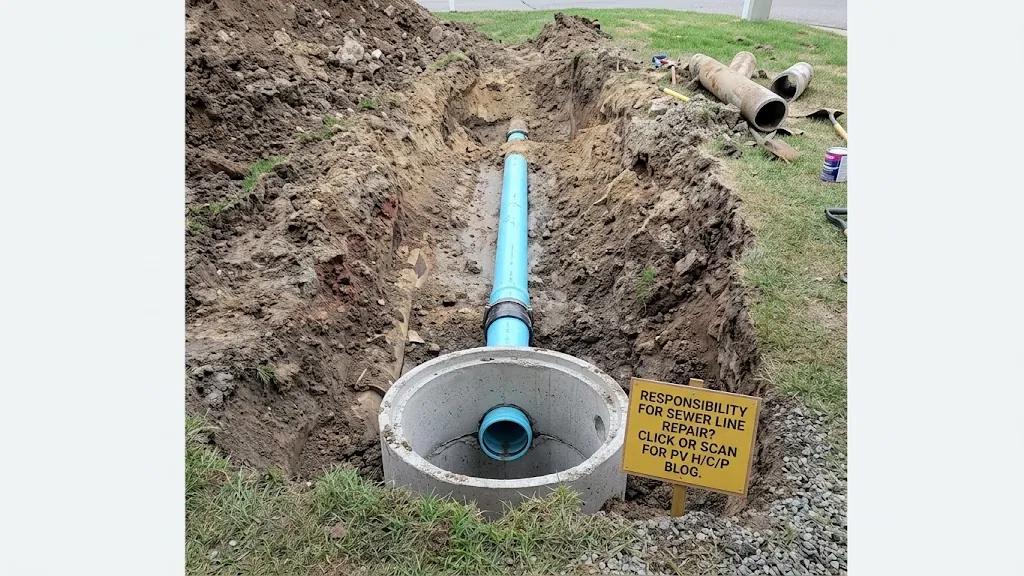
Whole-home leak detection inspections Nashua NH for single-family houses, condos, and duplexes. We test supply lines, drains, water heater parts, and fixtures in one visit so you get a complete picture of your home's plumbing health.
View service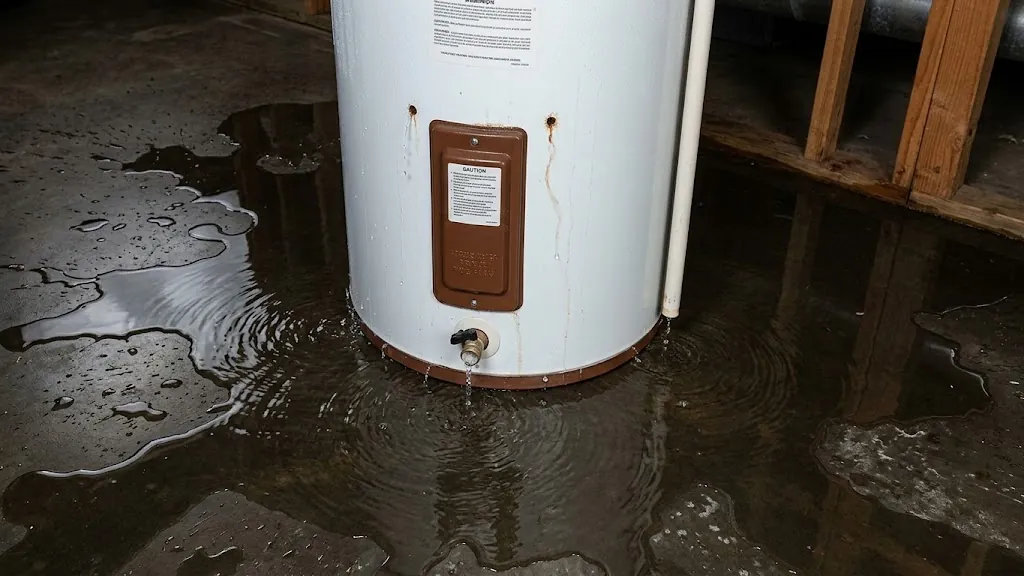
Restaurants, offices, and retail spaces on Main Street District and Amherst Street need leak inspection services Nashua that work around business hours. We run after-close and early-morning inspections so your doors stay open and your water bill stops climbing.
View service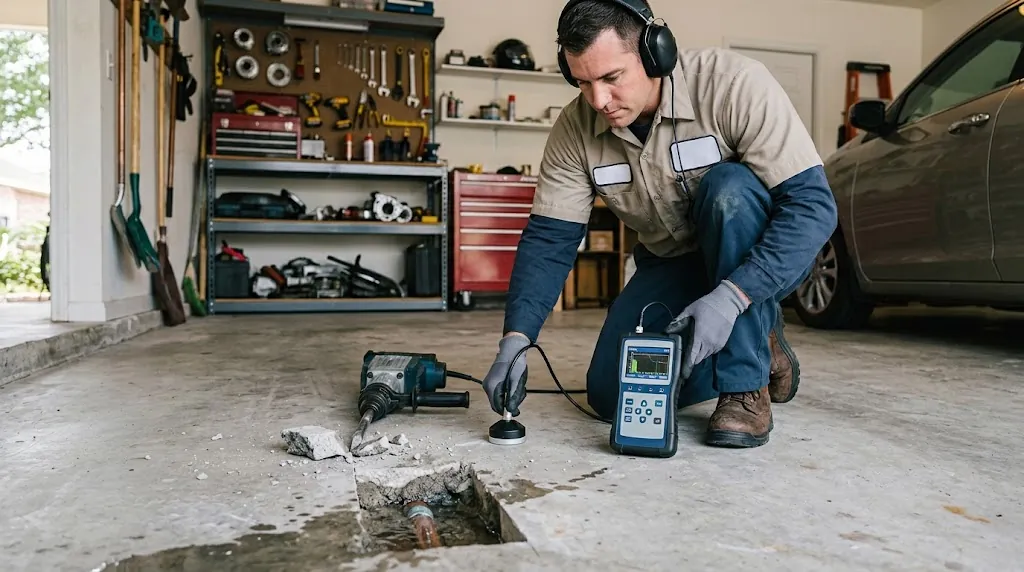
Slab leaks show up as warm floors, unexplained bill spikes, or cracks that keep widening. We use thermal imaging cameras and acoustic gear to pinpoint the break under concrete, then mark a small repair zone so the cut stays tight.
View serviceA pool losing an inch a day is not evaporation. We pressure-test pool plumbing, check skimmer and return fittings, and use tracer gas detectors on buried lines. Nashua pool owners get a clear answer before the season gets away.
View serviceCall 603 571 4078 any hour, day or night, and a real person answers. We schedule same-day appointments for most leak calls in Nashua and the surrounding Hillsborough County area, and we confirm your window before we roll a truck.