Focused arrival windows
Useful updates and clear arrival timing.
When a faucet drips behind the wall or under the cabinet, faucet leak detection Nashua NH is how you stop the damage before it spreads. We run acoustic listening devices and thermal imaging cameras on kitchen and bathroom fixtures across Nashua, New Hampshire, pinpoint the failure, and complete faucet leak repair in Nashua the same visit. If you hear water running when nothing is on, call us today.
Useful updates and clear arrival timing.
Review the approach and price before deciding.
Equipped vehicles and respectful cleanup.
Neighbors serving neighbors with follow-through.
Every diagnostic visit includes a full inspection of the fixture, its supply lines, and the surrounding moisture zone. We test, we pinpoint, and we tell you what we found in plain language. Repair work is quoted separately so you can decide what to do with the information.
We check the faucet body, cartridge, O-rings, aerator, supply lines, and shutoff valves. Any part showing wear gets flagged with a photo and a note on what replacement would cost. This takes about 15 minutes per fixture.
A moisture meter gets run across the cabinet base, surrounding drywall, and the floor below if accessible. We mark the wet zone so you can see exactly how far the water has traveled and whether drying equipment is needed.
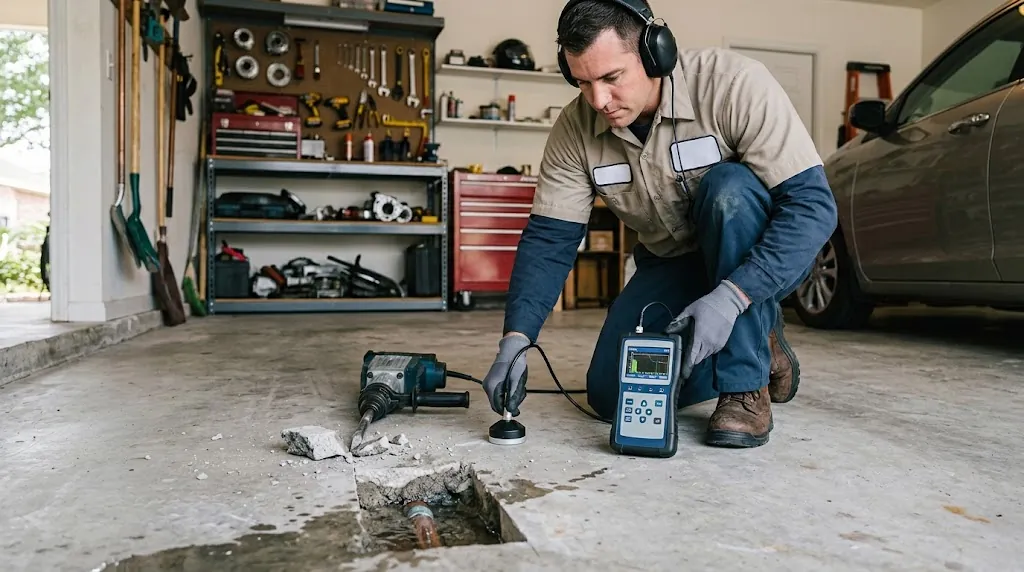
Acoustic listening devices, ultrasonic leak detectors, and thermal imaging cameras get used to isolate the failure point. This is what separates a real diagnostic from someone tightening a nut and hoping for the best.
We restore line pressure, watch a gauge for 15 minutes, and confirm the reading holds. You get a written summary of the failure, the repair recommendation, and a price before any work begins.
If you approve the repair, we do it on the spot. Our trucks carry faucet cartridges, pipe sealant, plumber's tape, epoxy putty, and common supply-line fittings, so most jobs finish the same visit without a parts run.
Share what is happening and receive a clear next step from the local team.
Faucet leak detection Nashua NH is the process of finding exactly where water escapes a faucet, supply line, or drain connection using instruments rather than guesswork. We start by isolating the fixture, then pressurize the line with testing gauges and listen for the signature hiss of a failing faucet cartridge or cracked copper pipe. Thermal imaging cameras reveal temperature swings behind the wall, and moisture meters confirm how far the water has traveled. Most single-fixture inspections take 45 to 90 minutes, and we tell you what we found before we touch a wrench.
Nashua homes built before 1970 often still run original copper pipe and brass faucet cartridges, and those parts fail at the seams after decades of freeze-thaw cycles. A dripping faucet leak detection Nashua call in February is usually a frozen supply line that split overnight; in July it is more often a worn cartridge or corroded PEX tubing fitting. Either way, the water has to be stopped before it reaches the subfloor. If you have been searching for faucet leak detection near me Nashua NH, we cover every neighborhood from Downtown Nashua to the Exit 8 Neighborhood.
You describe what you are seeing: a drip under the sink, water on the cabinet floor, a stain on the ceiling below. We ask three or four questions to narrow the likely source and give you a realistic arrival window, usually within two to four hours for emergency calls in Nashua.
The technician inspects the faucet body, supply lines, shutoff valves, and drain trap, then runs a moisture meter across the cabinet base and surrounding drywall. This takes about 15 minutes and tells us whether the leak is at the fixture or somewhere further down the line.
We pressurize the branch line and use acoustic listening devices and an ultrasonic leak detector to isolate the failure. If the leak is behind tile or inside a wall cavity, a thermal imaging camera shows the temperature plume. This stage runs 20 to 40 minutes.
Once we know the exact failure, we shut off the branch, cut out the bad section, and rebuild it with copper pipe, PEX tubing, or a new faucet cartridge as the situation calls for. Most repairs take one to two hours, and we clean the work area before we pack up.
We restore pressure, watch the gauge for 15 minutes, and re-scan the area with the moisture meter to confirm the reading is dropping. Then we walk you through what failed, what we replaced, and what to watch for over the next week.
Pick up the sound of pressurized water escaping a pinhole or failed cartridge seat. This is the first tool we reach for on any faucet leak call because it works through tile, drywall, and cabinet panels.
Show temperature differences between wet and dry building materials. We use these to trace a leak path behind a wall without cutting exploratory holes, which saves you patching and painting.
For supply lines that do not show visible water, we introduce a harmless tracer gas and track where it escapes. This is the go-to method for hidden leaks behind finished walls.
Isolate a branch line and hold pressure for 15 minutes. A drop on the gauge confirms a leak even when nothing is visible, which is common with early-stage faucet cartridge failures.
Run through drain lines to confirm whether water under a sink is coming from the supply side or the waste side. This single check prevents a lot of unnecessary faucet replacements.
Measure water content in wood, drywall, and cabinet materials. We take a reading before and after repair to prove the leak has stopped and the area is drying.
Cut, fit, and secure copper pipe and PEX tubing during the repair phase. Having these on the truck means we finish the job the same visit instead of scheduling a return trip.
We close the fixture shutoff and pressurize only the branch feeding the suspect faucet. This eliminates background noise from the rest of the plumbing system and makes the leak signal much easier to hear with acoustic gear.
A slow pass with a FLIR camera across the wall or cabinet surface reveals the temperature plume where water is escaping. We mark the spot and confirm with a moisture meter before opening anything.
When acoustic and thermal signals are ambiguous, we introduce tracer gas into the isolated line and sweep with a Sewerin detector. This method finds leaks that no other tool can hear.
After the fix, we restore full line pressure and watch the gauge for 15 minutes. A stable reading plus a dropping moisture meter reading is how we confirm the repair actually worked before we leave.
We isolate the branch lines one at a time and pressurize each with testing gauges. An acoustic listening device then pinpoints which line is losing water. If the sound is faint, we bring in a thermal imaging camera to confirm the location behind the drywall. You get the exact failure point marked on the wall, a repair quote, and a same-day fix in most cases. No exploratory demolition.
We run a moisture meter across the cabinet base and the floor beneath it, then check the faucet supply lines, shutoff valves, and drain trap. If the faucet is the source, we replace the failed part and treat the area with a mold-inhibiting spray. The leak stops, the moisture reading drops over the following week, and you know whether the cabinet box needs replacement or just drying time.
That pattern points to a hidden leak, not a faucet drip. We pressure-test the main line and use acoustic and tracer gas methods to locate the failure. If it turns out to be a faucet supply line behind a wall, we repair it without opening more than a small access panel. The leak gets fixed, the meter stops spinning, and your next bill returns to normal. We also document the repair for your records.
We run a full leak detection inspection covering every faucet, supply line, shutoff, and visible drain connection. Acoustic and thermal tools check for hidden failures that a standard home inspection will miss. You get a written report listing every fixture we tested, what condition it is in, and what repair costs to expect in the first year of ownership.
Nashua sits in Hillsborough County where winter temperatures drop below zero several nights each year, and that freeze-thaw cycle is the number one cause of faucet supply-line failures we see. Pipes in exterior walls, especially on older homes in Crown Hill and French Hill, are the most vulnerable. We get a wave of calls every January and February from split copper pipe and cracked PEX tubing. Summer brings a different pattern: worn cartridges, corroded fittings, and irrigation-related pressure drops that make interior faucets drip. The city's housing stock ranges from 1800s Victorians to new construction off Amherst Street, and each era has its own failure signature. If you need how to stop a leaking faucet in Nashua, the answer starts with knowing what year your plumbing was installed. We work in every ZIP code from 03060 through 03064 and can usually be on site within two to four hours.
Many homes here still run original galvanized or early copper supply lines. Faucet leaks in this neighborhood are often at the threaded joints rather than the cartridge.
Dense multi-family housing means a faucet leak on an upper floor can show up as a ceiling stain two units down. We trace the water path before assuming the source.
Newer construction with PEX throughout. Failures here tend to be at crimp rings and manifold connections rather than the pipe itself.
Commercial and residential mix with shared shutoffs in some buildings. We confirm which valve controls your unit before starting any repair.
Supply lines in exterior walls split overnight. We see a spike in emergency faucet leak repair Nashua New Hampshire calls from December through March, and we staff for it.
Pinhole leaks develop at solder joints and bends. Acoustic detection is the fastest way to find them without opening the whole wall.
Pressure above 80 psi accelerates cartridge wear and supply-line fatigue. We check static pressure during every diagnostic and flag it if it is high.
A faucet leak on the floor above soaks into the ceiling below before you see it. Thermal imaging lets us find the source without cutting into the finished ceiling.
A homeowner noticed the cabinet floor was soft and smelled musty. The faucet itself looked fine, and no water was visible. A handyman had already tightened the packing nut with no effect. The moisture meter read 28 percent on the cabinet base.
We isolated the branch, pressurized it, and found a pinhole in the copper supply line behind the cabinet back panel. Cut out the bad section, replaced it with PEX, and pressure-tested for 15 minutes. Moisture reading dropped to 12 percent within a week.
Maintenance: Check under the sink once a month for dampness, and keep the cabinet base clear so air can circulate. If the reading ever climbs again, call us before the wood swells.
A tenant reported a constant drip from the bathroom faucet and a water stain forming on the ceiling of the unit below. The landlord had replaced the cartridge once already, and the drip came back within three months.
We pulled the cartridge and found a scored valve seat that was chewing through new cartridges. Resurfaced the seat, installed a new cartridge, and replaced the shutoff valve while we were in there. Drip stopped completely, and the ceiling stain stopped growing.
Maintenance: Do not crank the faucet handle past closed. Overtightening is what scores the seat in the first place. A quarter-turn past resistance is plenty.
The water bill jumped $80 in one month with no visible leak anywhere in the house. The meter kept spinning with every fixture off. Two other plumbers had told the homeowner it was probably a toilet flapper.
We pressure-tested the main branch and used acoustic gear to trace the loss to a pinhole in the copper line feeding the upstairs bathroom faucet. Repaired the section and verified with a 15-minute pressure hold. The next water bill was back to baseline.
Maintenance: Watch your water bill for sudden jumps. A $50 to $100 increase with no change in habits is the earliest sign of a hidden leak, and it is the cheapest time to fix it.
A dripping faucet is never just a dripping faucet. It is water where water should not be, and it is doing damage every hour you wait. Here are the four situations we get called for most often.
Cabinet floors swell, particle board disintegrates, and mold starts within 48 hours. By the time you see the stain, the damage is already behind the cabinet base. We run a moisture meter across the cabinet floor and use acoustic gear to separate a supply-line leak from a drain leak. Once we know which side is failing, we cut out the bad section and rebuild it with copper pipe or PEX tubing the same visit.
A steady drip wastes 3,000 gallons a year and wears the valve seat, turning a $200 cartridge replacement into a $600 fixture replacement if you wait too long. This is almost always a worn faucet cartridge or a scored seat. We pull the cartridge, inspect the seat, and replace both if needed. Most kitchen faucet leak detection Nashua jobs like this finish in under two hours.
Water traveling through a floor assembly can rot joists and subfloor sheathing. A ceiling stain means the leak has been running long enough to soak through multiple layers of material. We use thermal imaging cameras to trace the water path back to the source, which is often a bathroom faucet leak detection Nashua New Hampshire call rather than a tub or shower issue. We confirm the source, repair it, and tell you whether the ceiling needs to be opened for drying.
A hidden pinhole leak in a supply line can run for months before it shows. By then you have paid hundreds in extra water and the pipe wall is thin enough to burst. We pressure-test the branch line and use ultrasonic leak detectors to find the failure. If the leak is underground or in a slab, we escalate to tracer gas detectors. Most hidden faucet supply leaks get located and repaired in a single visit.
Nashua LeakDetectors has been finding and fixing faucet leaks in Nashua since 2010. Our technicians hold NH Master Plumber License credentials and Backflow Prevention Certification, and we keep current on IAPMO Certification standards for fixture installation. We have worked in every housing era this city has, from Crown Hill Victorians with original brass fixtures to new construction off Amherst Street running PEX throughout. That range matters, because a 1920s faucet and a 2020s faucet fail in completely different ways.
We had water pooling under the kitchen sink for a week and could not figure out where it was coming from. The technician ran a thermal camera along the wall and found a cracked supply line behind the cabinet in about 20 minutes. He replaced the section with PEX, pressure-tested it, and the cabinet floor has been dry since. Fair price, no drama.
I manage three rentals in French Hill and one of them had a bathroom faucet dripping into the unit below. Called at 7 a.m., they were there by 10. Turned out to be a worn cartridge and a loose shutoff valve. Fixed both, showed me the moisture readings before and after. I have used them on two other properties since.
Our water bill jumped $80 in one month and we could not hear anything dripping. They used an acoustic detector on the main line and found a pinhole leak in the copper pipe feeding the upstairs bathroom faucet. Repaired it the same visit. Next bill was back to normal. Worth every penny.
Most diagnostic visits run $149 to $249 in 2026, and the repair itself typically adds $180 to $450 depending on parts and access. A simple cartridge swap on an accessible kitchen faucet sits at the low end. A leak behind tile or inside a wall cavity pushes toward the high end because of the extra cutting and patching. We quote the repair before we start, so you are never guessing.
The three most common causes we find in Nashua are a worn faucet cartridge, a failed O-ring at the base, and a cracked supply line from winter freeze damage. Cartridge failures show up as a drip from the spout. Base leaks pool water around the fixture. Supply-line cracks spray or drip under the cabinet and are the ones that cause real floor damage if you wait.
Yes, and the vast majority of faucet leaks we see are repairable without replacing the whole fixture. Cartridges, seats, O-rings, and supply lines are all replaceable parts. We only recommend a full faucet replacement when the body itself is cracked or the finish has corroded through. That decision gets made after the diagnostic, not before.
You want a licensed plumbing contractor with real leak detection equipment, not a handyman with a wrench. We hold an NH Master Plumber License and carry acoustic listening devices, thermal imaging cameras, and moisture meters on every truck. Call 603 571 4078 and we will tell you over the phone whether it sounds like a quick fix or a hidden leak.
Not seeing your question? Our local team can help you understand urgency, scheduling and what to expect.
Ask the local team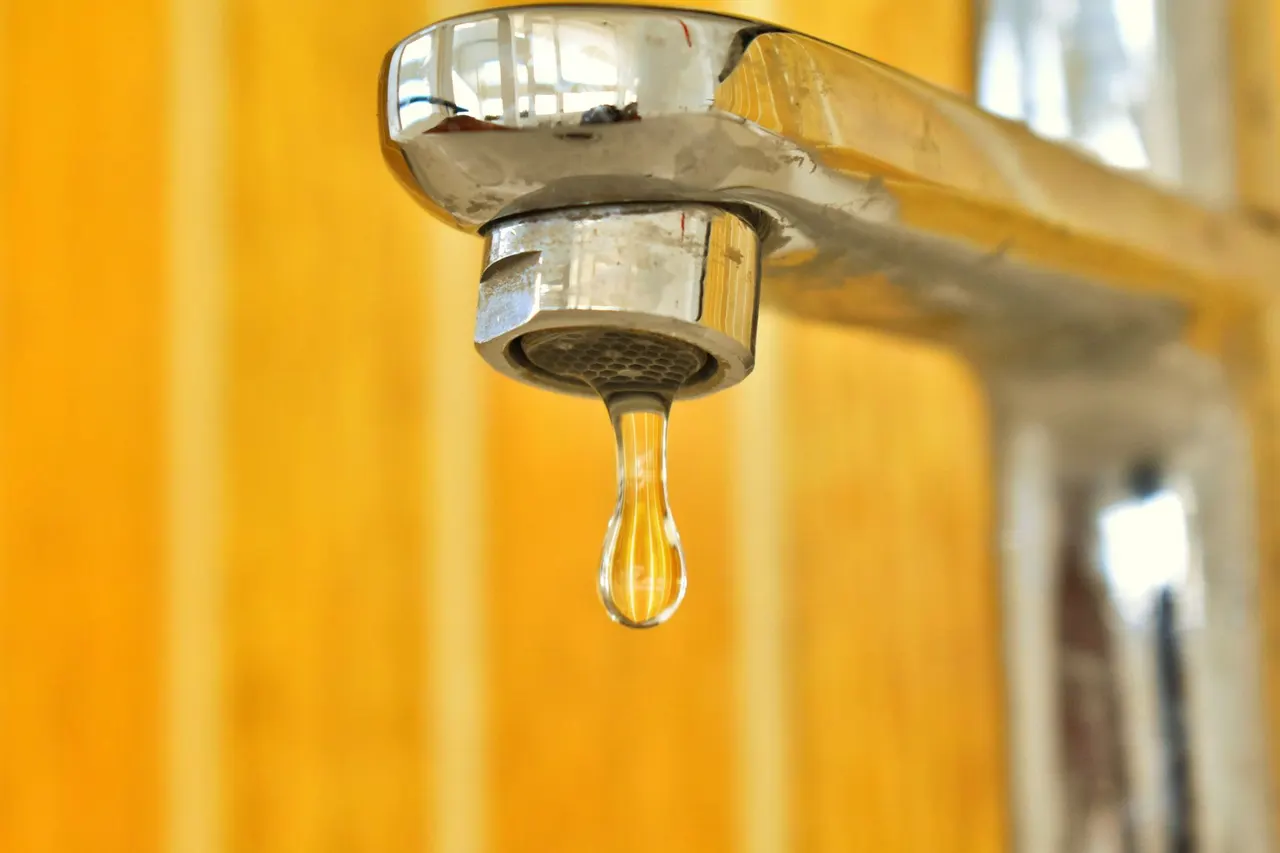
Whole-home leak surveys that start where a faucet leak leaves off. If we find moisture beyond the cabinet, we trace it through the walls and floors to make sure nothing else is failing. Most Nashua homeowners pair this with a faucet repair when the house is older than 40 years.
View service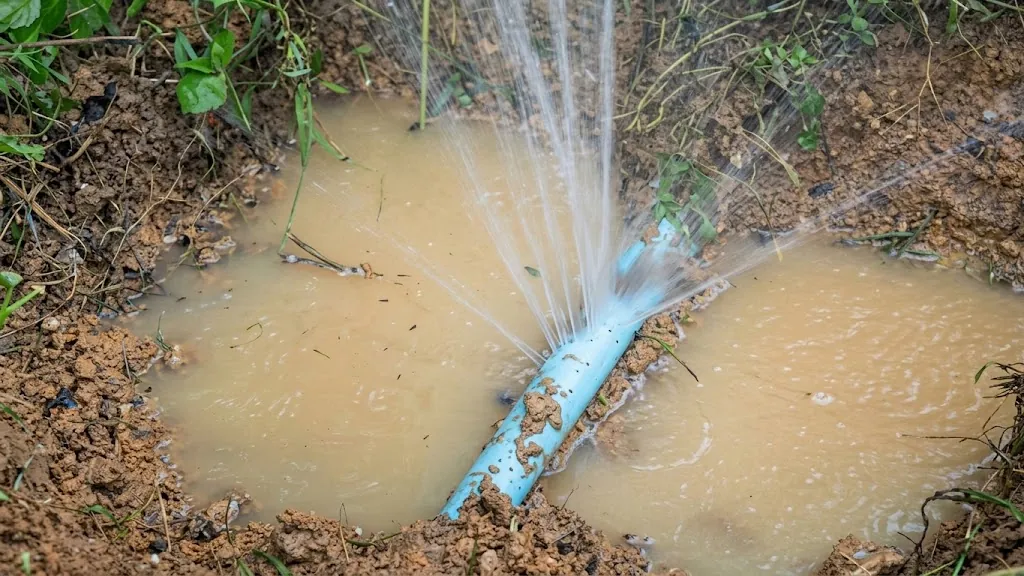
Restaurants, salons, and office buildings in Downtown Nashua run dozens of faucets on the same branch line. When one drips, the water bill climbs fast. We survey the whole system and prioritize the fixtures costing you the most per month.
View service
A faucet leak that never shows up at the fixture sometimes means the supply line under the slab has failed. We use acoustic and thermal tools to confirm whether the problem is above the floor or below it before anyone starts cutting concrete.
View service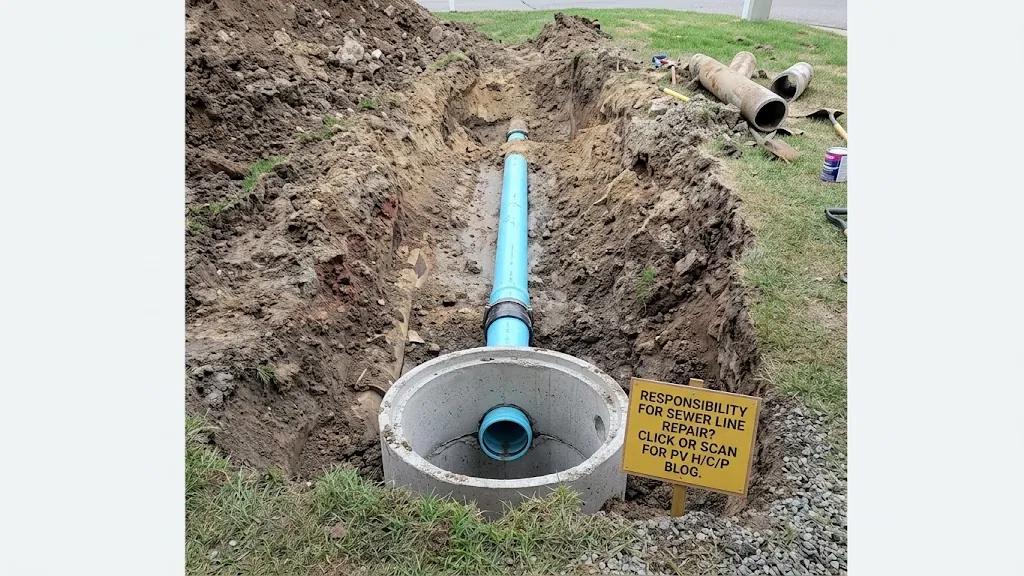
Pool fill lines and outdoor spigots share plumbing with your interior faucets. When a pool loses water overnight, we check the supply side first, including the faucet connections that feed the outdoor line.
View service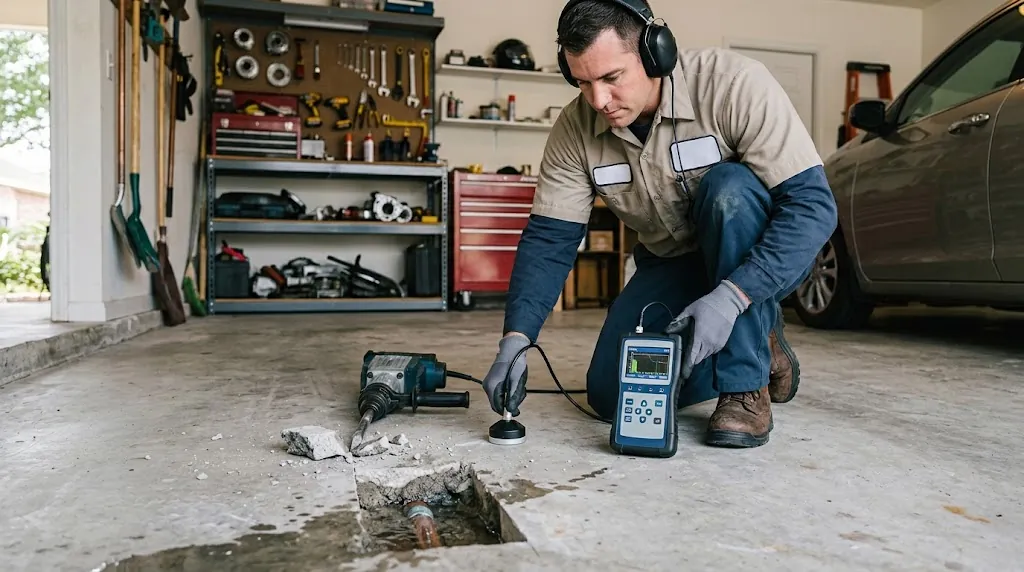
Call 603 571 4078 any hour, day or night, and a real person answers. We schedule same-day appointments for most leak calls in Nashua and the surrounding Hillsborough County area, and we confirm your window before we roll a truck.