Focused arrival windows
Useful updates and clear arrival timing.
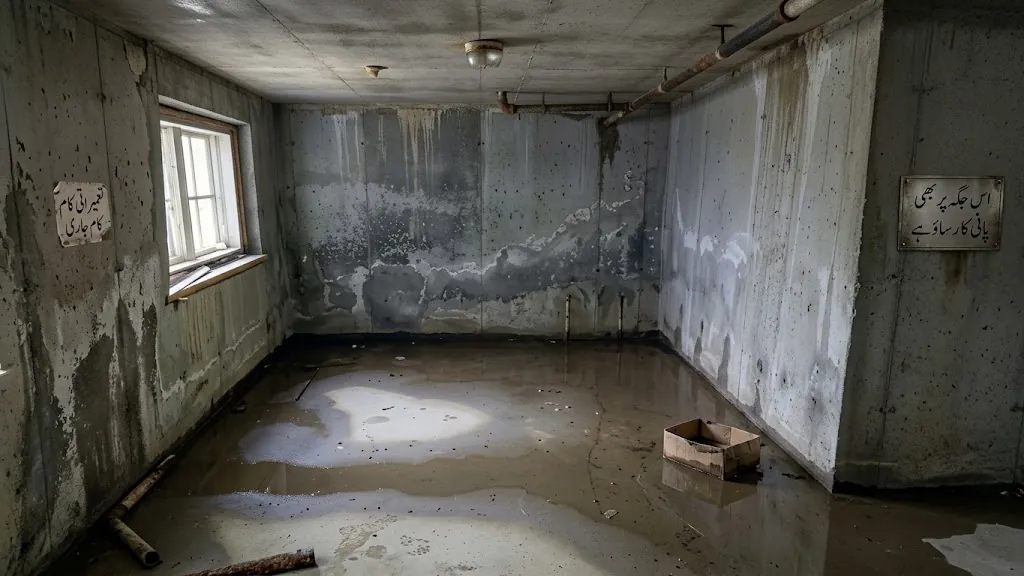
When water is running where it shouldn't, emergency leak detection Nashua NH gets a licensed technician to your door with thermal imaging cameras and acoustic listening devices. We handle slab leaks, hidden pipe leaks, water heater leaks, and underground water line leaks across Nashua, New Hampshire. Call 603 571 4078 and we roll a truck, 24/7 leak detection Nashua homeowners count on when the basement is filling up at 2 a.m.
Useful updates and clear arrival timing.
Review the approach and price before deciding.
Equipped vehicles and respectful cleanup.
Neighbors serving neighbors with follow-through.
Every emergency leak detection Nashua NH call includes the full diagnostic scan, the access cut, and the pressure test. Repair work is quoted separately once we know what failed, so you approve the number before we start cutting pipe. Here is what you get on a standard call-out.
We isolate the supply and bring it to working pressure, then watch the gauge. A drop tells us the leak is on the pressurized side, which narrows the hunt before we open anything. This takes about 15 minutes and it is the single most useful diagnostic we run.
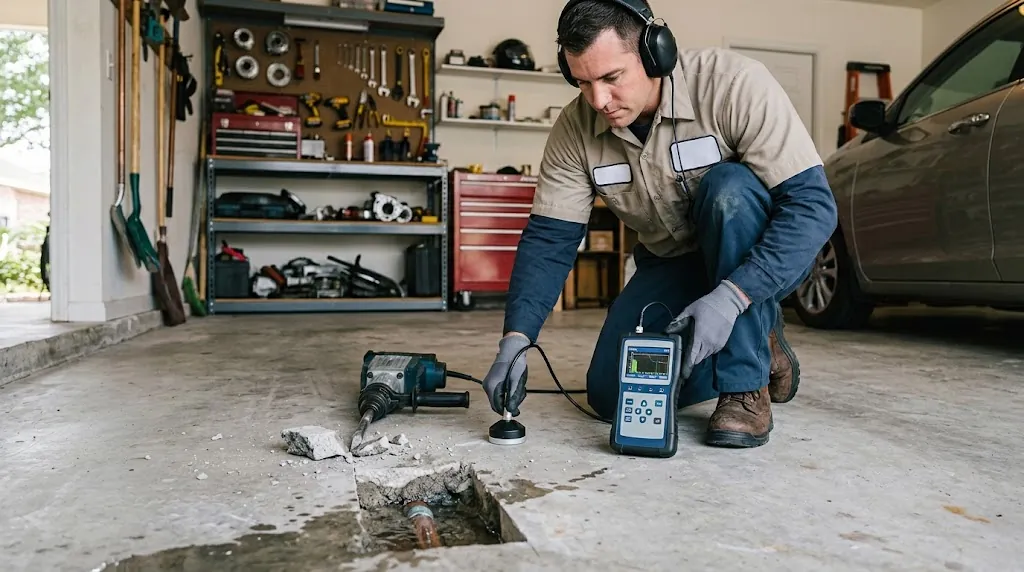
FLIR thermal imaging cameras and acoustic listening devices sweep the suspect area. We mark the hottest or loudest spot on the floor or wall. On most slab leaks, this gets us within a few inches of the break, which is what keeps the access cut small.
Moisture meters map how far the water has traveled. That matters because water runs along joists and can show up ten feet from the actual leak. We map the wet zone, then work backward to the source instead of chasing the stain.
Once we have the spot, we open the smallest access that lets us reach the line. We cut out the failed section and rebuild it with copper pipe, PEX tubing, or PVC pipe to match the existing system. Every joint is soldered or crimped to New Hampshire plumbing code.
We bring the repaired section back to working pressure and hold it for 15 minutes. If the gauge does not move, the repair is good and we close up. If it drops, we keep hunting until it holds. You get the test reading in writing.
You get photos of the failure, the repair, and the gauge reading, plus a short note on anything else that looks worn. That record is useful for insurance claims and for planning the next repair before it becomes another 2 a.m. call.
Share what is happening and receive a clear next step from the local team.
Emergency leak detection Nashua NH is the after-hours, same-day hunt for water or gas escaping a pipe, fixture, or line you cannot see. We pressurize the system, then walk it with acoustic listening devices, thermal imaging cameras, and ultrasonic leak detectors until the sound or heat signature points to the break. Once we mark the spot, we open the smallest possible access, repair the line, and pressure-test it before we leave. No guesswork, no tearing up a whole floor to find one joint.
Nashua's housing stock makes this work urgent. French Hill and Tree Streets are full of 1920s copper and galvanized pipe that has been patched for decades. North End and Nashua Highlands homes sit on slabs that hide leaks until the floor is warm and the water bill doubles. When a pipe lets go in January, you have hours before a frozen line splits wide open. That is why we run 24/7 leak detection Nashua crews through every ZIP from 03060 to 03064, including same day leak detection Nashua New Hampshire calls on weekends and holidays.
We ask three questions: where is the water, is it clean or dirty, and can you shut the main. That tells us whether to treat it as a supply leak, a drain leak, or a gas line issue. You get a real arrival window, usually 60 to 90 minutes inside Nashua.
First tech on site shuts the affected zone and checks for electrical hazards near standing water. If it is a water heater leak, we kill the gas or breaker. This takes 10 to 15 minutes and stops the damage from spreading.
We pressurize the line and sweep it with thermal imaging cameras, acoustic listening devices, and moisture meters. On slab leaks we bring in a pipe inspection camera. Most leaks are located in 30 to 60 minutes, and we mark the spot on the floor.
We open the smallest access needed, cut out the failed section, and rebuild it with copper pipe, PEX tubing, or PVC pipe depending on the line. Then we pressure-test at working pressure and watch the gauge for 15 minutes before closing up.
You get photos of the failure, the repair, and the test reading. We note anything else that looks tired, like a faucet cartridge or a water heater part on its way out, so you can plan the next fix instead of getting surprised by it.
Read the temperature difference between wet and dry surfaces. Ideal for finding hidden pipe leaks behind tile and slab leaks under finished floors without opening anything.
Pick up the hiss of pressurized water escaping a line. We use them to pinpoint slab leaks and underground water line leaks to within a few inches, which keeps the access cut small.
For leaks that acoustic gear cannot read cleanly, we introduce a safe tracer gas and sweep with a Sewerin detector. This is our go-to for gas line leaks and stubborn hidden leaks.
Push a camera through drain and sewer lines to see cracks, root intrusion, and joint failures directly. On underground work, this tells us whether it is a spot repair or a full replacement.
Isolate a section, bring it to working pressure, and hold it. If the gauge drops, the leak is still there. Every repair we make ends with a 15-minute pressure test.
Cut, crimp, and solder in tight spaces without dragging a cord through your house. We keep both brands on the truck so a dead battery never stalls a repair.
Map how far water has traveled from the source. Water follows joists and framing, so the stain is often not where the leak is. The meter tells us where to actually look.
We split the system into zones and pressurize each one separately. Whichever zone loses pressure holds the leak. This narrows a whole-house hunt down to one line in about 15 minutes and it works on copper, PEX, and PVC alike.
Two sensors placed on the line pick up the same leak sound at slightly different times. The difference tells us where along the pipe the break sits. It is how we pinpoint slab leaks without opening the floor to look.
We scan walls and floors with a FLIR camera and look for temperature anomalies. A hot spot on a cold-water line or a cold spot on a hot line points straight at the leak. Non-invasive and fast.
For lines that are buried or behind finished surfaces, we inject a safe tracer gas and sweep with a Sewerin detector. It finds leaks that acoustic gear misses, especially on gas lines and underground water lines.
Every repair follows New Hampshire plumbing code, whether it is a copper joint, a PEX crimp, or a PVC solvent weld. We pressure-test after the repair and document the reading, so you have proof the line holds.
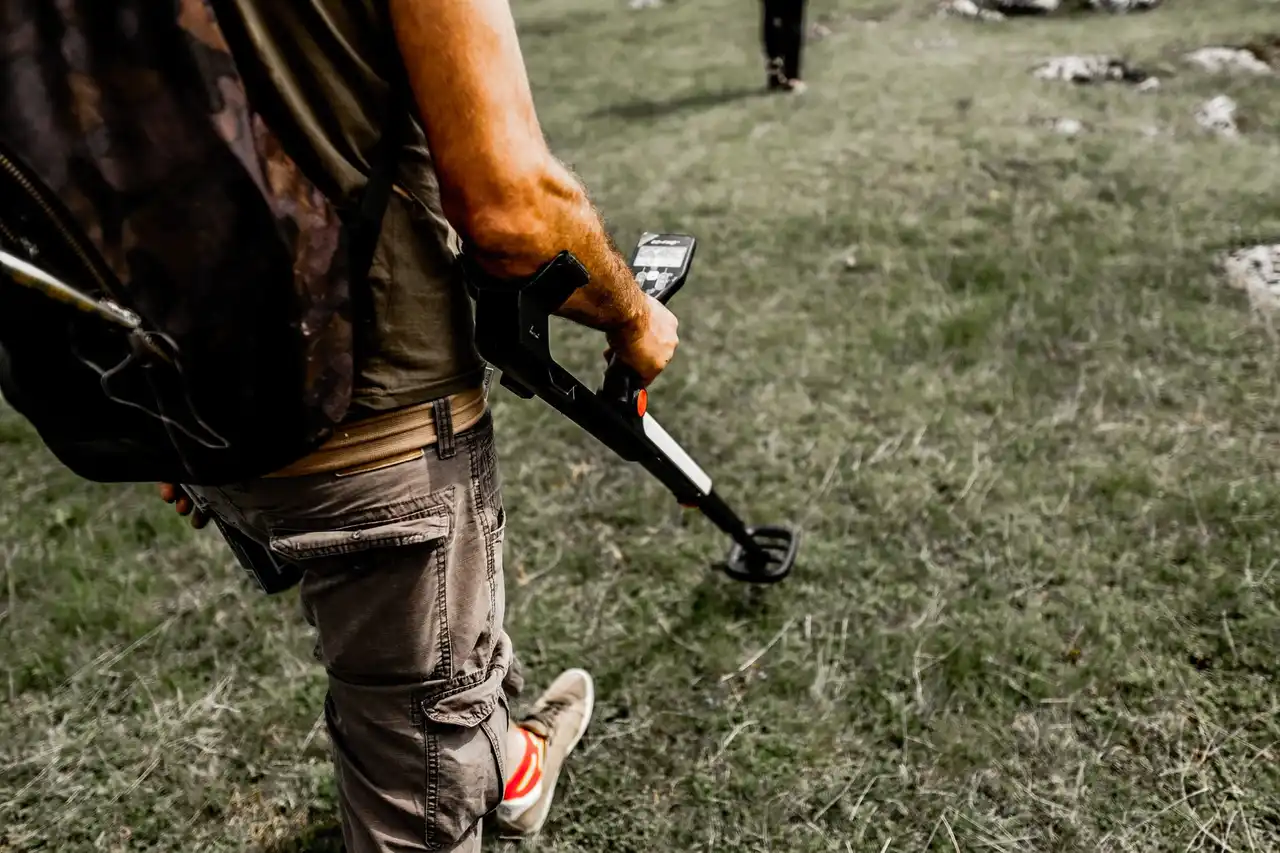
That is a pressurized supply leak, and it will not stop on its own. We isolate the zone, scan with acoustic gear, and repair the line the same night. Most of these are a failed joint or a pinhole in copper pipe. Water is off within 15 minutes of arrival and the repair is usually done before sunrise. You wake up to a dry floor and a holding pressure gauge.
That pattern usually means a slab leak or an underground water line leak. We pressure-test the system, then sweep with thermal imaging and acoustic gear to find the hidden break. The meter tells us which side of the system to chase first. You get a pinpointed leak and a repair quote the same visit. Most customers see the water bill drop back to normal the next billing cycle.
We thaw the line carefully, find the split, and cut out the damaged section. Then we rebuild it with PEX tubing, which handles freeze cycles better than the copper it replaced. We also check the rest of the run for weak spots. Water is back on the same day, and the new PEX section is far less likely to split next winter. We pressure-test before we leave.
Get everyone out and call 603 571 4078 from outside. We bring tracer gas detectors and pressure testing gauges, isolate the line, and find the break. Gas work is not a wait-and-see job. The leak is isolated and made safe, and we tell you exactly what failed. If it is a fitting, we repair it. If it is the appliance, we tell you what to replace.
Nashua's building stock splits into two leak patterns. The older neighborhoods, French Hill, Tree Streets, Crown Hill, and Downtown, are full of 1920s copper and galvanized pipe that has been patched for decades. Those lines fail at joints and pinholes, and they fail most in January when the ground freezes and the pipes contract. The newer builds out toward Nashua Highlands and the Exit 8 Neighborhood sit on slabs, where a slab leak hides under the floor until the tile feels warm and the water bill doubles. We keep both playbooks on the truck. Our crews carry thermal imaging cameras, acoustic listening devices, and tracer gas detectors because the right tool changes with the house. We also know the local code: New Hampshire plumbing code governs every repair, and Backflow Prevention Certification matters on commercial and irrigation lines. If you are searching for same day emergency leak detection Nashua New Hampshire on a holiday weekend, we dispatch from inside the city, not from Manchester. That is why our average arrival inside Nashua stays at 60 to 90 minutes, even at 2 a.m. in February.
Dense triple-deckers with shared walls and old copper. Leaks here travel between units, so we check the neighboring ceiling before we close up a repair.
Slab-on-grade ranches where slab leaks show up as a warm floor and a spinning water meter. Thermal imaging does most of the work here.
Mixed-use buildings with commercial kitchens above apartments. We schedule commercial leak work after hours so the restaurant does not lose a dinner service.
High-traffic commercial properties where a water line leak can shut a storefront. We prioritize these calls and often work before opening hours.
Century-old homes with original galvanized supply lines. We often find two or three failing joints on the same run and quote them together.
Pipes in exterior walls and unheated crawl spaces split when the temperature drops below 10 degrees. We see a spike in burst-pipe calls every cold snap, and we staff overnight crews to match.
Homes close to the river and the canal see more foundation leaks and underground water line leaks. Saturated soil puts constant pressure on buried lines, so we pressure-test more aggressively in those areas.
Pinhole leaks are common in French Hill and Tree Streets. We repair the failed section and check the rest of the run, because a second pinhole usually shows up within a year.
Nashua's water leaves scale in water heaters and faucet cartridges. That scale accelerates fitting failures, so we check the water heater parts and fixtures on every emergency call.
The homeowner noticed a warm spot in the hallway and a water bill that jumped from $70 to $190 a month. Two other plumbers had quoted a full floor replacement to find the leak. The water heater was running constantly to keep up with the loss.
We pinpointed the break with acoustic listening devices and thermal imaging, then cut a single 12-inch access panel. The copper line was repaired and pressure-tested at 80 psi for 15 minutes with no drop. The water bill dropped back to $72 the next cycle.
Maintenance: We suggested a pressure test on the rest of the slab line every two years. The homeowner now checks the water meter monthly with everything off, which catches a new leak in days instead of months.
A January cold snap split a copper supply line in an unheated third-floor wall. Water ran down through two apartments before anyone noticed. The landlord called at 11 p.m. with three tenants displaced and water coming through a ceiling light fixture.
We isolated the zone in 12 minutes, found the split with a moisture meter and thermal camera, and replaced a 4-foot section of copper with PEX tubing. The line held 80 psi on the first test. All three units had water back by 2 a.m.
Maintenance: We wrapped the new PEX section with pipe insulation and recommended the landlord keep the third-floor thermostat above 60 degrees. PEX handles freeze cycles better than copper, so a repeat split is far less likely.
The meter spun even with every fixture off, and a soggy patch appeared in the side yard. The homeowner had already dug two dry holes looking for the leak. Water was seeping toward the foundation, threatening the basement.
We traced the line acoustically and marked the break within 8 inches. The failed section was cut out and replaced with copper pipe, then pressure-tested at 80 psi. The meter stopped spinning immediately, and the yard dried out over the next week.
Maintenance: We recommended a yearly meter check each spring after the ground thaws. Catching a slow underground leak early keeps it from undermining the foundation or washing out the yard.
Most emergency calls fall into a handful of patterns. Here are the ones we see most often in Nashua, what happens if you ignore them, and how we shut them down.
The slab stays wet, the flooring buckles, and the water heater runs nonstop trying to keep up. Left alone for a month, a slab leak can undermine the footing and cost five figures to fix. We pinpoint the break with acoustic listening devices and thermal imaging cameras, cut one small access, and repair the line. Most slab repairs are done in a single visit, and we pressure-test before we close the floor back up.
Drywall stains, musty smells, and mold growth inside the cavity. By the time you see the stain, the leak has usually been running for weeks and the framing is wet. Thermal imaging and moisture meters let us find the leak without tearing out the whole wall. We open a small section, repair the copper or PEX line, and test it. You get photos of what was wet and what we fixed.
A soggy patch in the yard, a meter that spins with everything off, and a water bill that climbs every month. In winter, the saturated ground can freeze and heave, cracking the line further. We trace the line acoustically and mark the break before anyone digs. Then we repair the section and pressure-test it. One hole in the yard instead of a trench, and the meter stops spinning when we are done.
No hot water, a puddle spreading across the basement, and every plumber in Hillsborough County booked solid. It always seems to happen the day before Thanksgiving. We carry common water heater parts on the truck, including T&P valves, drain valves, and inlet fittings. Most water heater leaks are a failed fitting we can fix the same visit. If the tank itself is cracked, we tell you straight and quote a replacement.
Woke up at 5 a.m. to water on the kitchen floor. Called at 5:10, tech was here by 6:30. He found a pinhole in the copper under the sink with an acoustic device in about 20 minutes. Repaired it, pressure-tested it, and was gone by 8. The bill was exactly what he quoted on the phone. No drama.
Our water bill doubled and we could not find anything. They came out and traced it to a slab leak under the hallway using a thermal camera. Cut one small square in the floor, fixed the line, and patched it back. Saved us from tearing up the whole hall. Worth every dollar.
We manage six buildings downtown and use them for every leak call. Last winter a pipe let go in a third-floor unit at 11 p.m. They had it isolated by midnight and repaired the same night. Tenants never lost water in the rest of the building. That is why we keep their number on speed dial.
Most residential emergency leak detection calls in Nashua run $250 to $650 in 2026, including the diagnostic scan and the access cut. Slab leaks and underground water line leaks sit at the higher end because they need pipe inspection cameras and more time. If we repair the line on the same visit, the repair is quoted separately before we start, so you always know the number first.
Call Nashua LeakDetectors at 603 571 4078. We are a licensed New Hampshire plumbing contractor based in Nashua, not a national dispatch center, so the tech who answers knows French Hill from Nashua Highlands. If the leak is gas, leave the building and call from outside; we carry tracer gas detectors and can isolate a gas line leak fast.
Yes. We run crews around the clock, every day of the year, including holidays. A burst pipe at 2 a.m. in January gets the same response as a Tuesday afternoon call. We cover all Nashua ZIP codes, 03060 through 03064, plus the surrounding Hillsborough County towns, and we aim to be on site within 60 to 90 minutes.
Inside Nashua city limits, our average arrival is 60 to 90 minutes from your call. Downtown Nashua, the Nashua Mall Area, and Exit 8 Neighborhood jobs often land closer to 60. If you are further out in Hillsborough County, we quote a realistic window on the phone rather than guessing, and we call you if traffic or weather pushes it back.
Not seeing your question? Our local team can help you understand urgency, scheduling and what to expect.
Ask the local team
Most of our emergency calls start as a residential leak hunt: a warm spot on the slab, a water bill that jumped $80, or a ceiling stain under a bathroom. We scan the whole house, not just the obvious room, so the second leak does not surprise you next month.
View service
Restaurants on Main Street and offices along Amherst Street cannot shut down for a slow leak. We work after hours, isolate the failed zone, and get your water back on before the morning shift. Commercial calls get priority dispatch because downtime costs you real money.
View service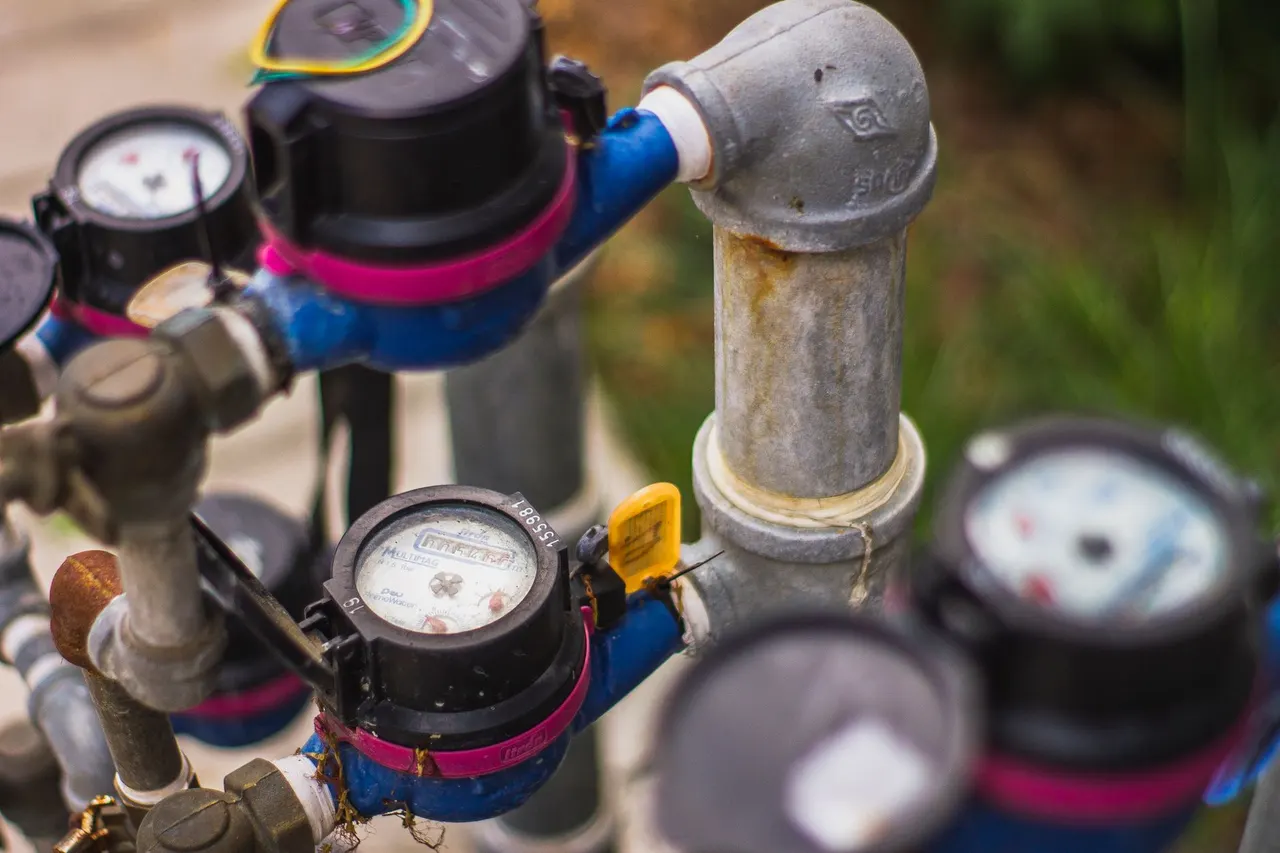
Slab leaks are the classic Nashua emergency: hot water under the floor, a warm tile, and a water heater running nonstop. We use acoustic listening devices and thermal imaging cameras to pinpoint the break, then cut one small access instead of breaking up the whole room.
View serviceA pool losing an inch a day is not evaporation. We pressure-test the plumbing, check the skimmer and light niche, and use dye testing to find the break. Catching it early saves the pump and the deck, and it stops the water bill from climbing all summer.
View service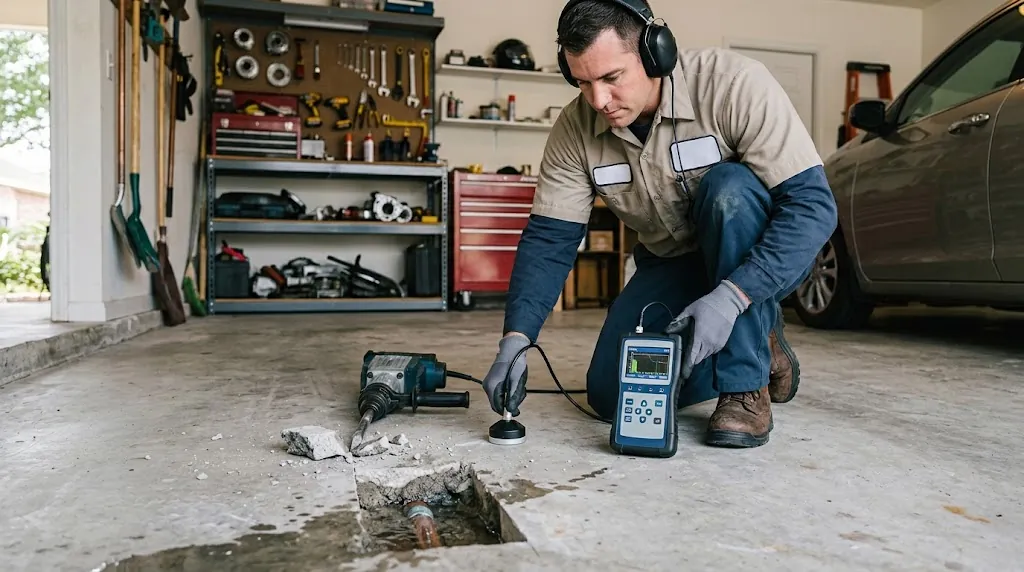
Call 603 571 4078 any hour, day or night, and a real person answers. We schedule same-day appointments for most leak calls in Nashua and the surrounding Hillsborough County area, and we confirm your window before we roll a truck.