Focused arrival windows
Useful updates and clear arrival timing.
When water shows up where it shouldn't, drain leak detection Nashua NH is how you stop the damage before it spreads. We use acoustic listening devices, thermal imaging cameras, and pipe inspection cameras to pinpoint the leak inside your drain line, then handle drain leak repair in Nashua the same visit. Whether it's a floor drain, shower drain, or the main line under your slab, we find it, fix it, and test it before we leave.
Useful updates and clear arrival timing.
Review the approach and price before deciding.
Equipped vehicles and respectful cleanup.
Neighbors serving neighbors with follow-through.
Every drain leak detection visit includes a full fixture inspection, electronic leak location, and a written report with photos. If you approve the repair, we credit the detection fee toward the work. Here's what you get, and what's a separate line item if you need it.
We check every drain in the house: sinks, tubs, showers, toilets, floor drains, and the main line. Each gets a visual inspection and a moisture meter reading. This takes 20 to 30 minutes and usually narrows the search to one or two suspects before we break out the detection gear.
Acoustic listening devices, thermal imaging cameras, and pipe inspection cameras do the heavy lifting. We use them to hear, see, and confirm the leak before we quote a repair. You watch the monitor with us so there's no mystery about what we found.
You get a summary of what we found, where it is, and what it takes to fix it. Photos and camera stills are included. If you're filing an insurance claim, this is the documentation your adjuster wants to see. We email it the same day.
Once we've located the leak, we give you a flat price for the repair before we start. No hourly surprises. If it's a simple floor drain gasket, it's a small number. If it's a slab leak, we break down the access, repair, and patch costs separately.
Every drain leak repair we make gets a pressure test before we leave. We isolate the section, pressurize it with gauges, and confirm it holds. If it doesn't, we keep working. You don't pay until the line passes.
If the repair we made starts weeping within 30 days, we come back and make it right at no charge. That covers our labor and the parts we installed. It doesn't cover a new leak somewhere else in the line, which we'd quote separately.
Share what is happening and receive a clear next step from the local team.
Drain leak detection Nashua NH is a diagnostic service that locates leaks inside drain lines, traps, and underground piping without tearing your home apart. We start by mapping the drain system and checking every fixture, then use acoustic listening devices and thermal imaging cameras to hear and see where water is escaping. A pipe inspection camera confirms the exact spot, and pressure testing gauges verify the line holds. Most jobs take two to four hours, and you get a written report with photos of what we found.
Nashua's older housing stock, especially in French Hill and the Tree Streets, still runs on original cast iron and copper pipe that's been patched for decades. Add freeze-thaw cycles that crack joints and shift soil around underground water line leaks, and you get the slow seepage that rots subfloors and spikes water bills. If you've been searching drain leak detection near me Nashua NH, we're the crew that shows up with the right gear. We also handle emergency drain leak repair Nashua New Hampshire calls when a drain backs up at 2 a.m.
Call 603 571 4078 and describe what you're seeing: a wet floor, a slow drain, a musty smell, or a spike on the water bill. We ask a few questions to narrow down whether it's a fixture leak, a floor drain, or a main line issue. You get a same-day appointment window, usually within two to four hours.
A licensed technician walks the drain system with you, checks every trap and fixture, and takes moisture meter readings on floors and walls. We map the layout and note the pipe material, copper pipe, PEX tubing, or PVC pipe. This takes 20 to 30 minutes and tells us where to focus the detection gear.
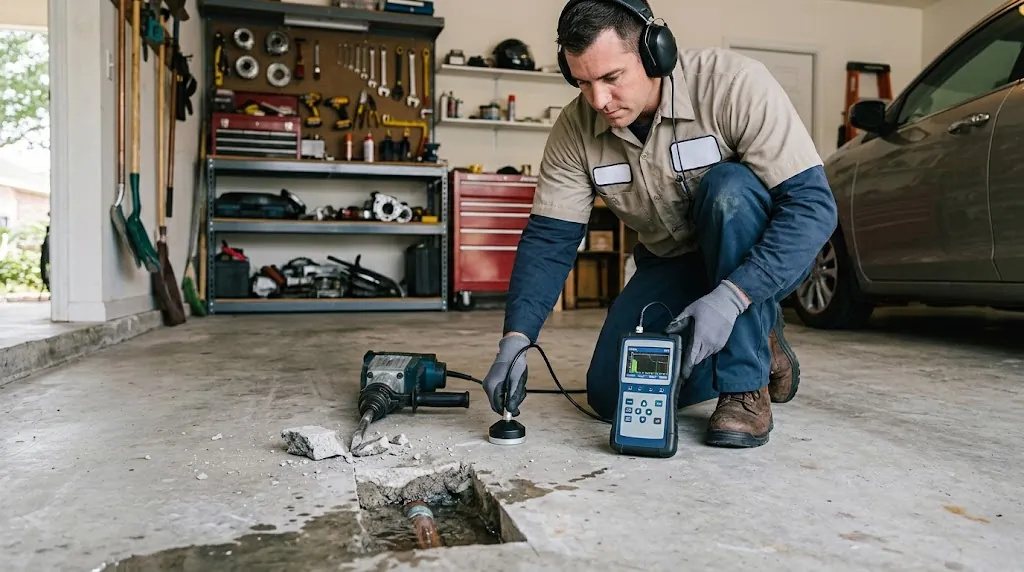
We deploy acoustic listening devices to hear water escaping under pressure, then confirm with a thermal imaging camera that shows temperature differences from moisture. If the leak is underground, we use tracer gas detectors or a pipe inspection camera to pinpoint it. You watch the screen and see the exact location before we cut anything.
Once we've found it, we fix it. That might mean cutting out a cracked section of copper pipe and sweating in a new piece, replacing a failed floor drain gasket, or re-sealing a shower drain with epoxy putty and pipe sealant. We use RIDGID and Milwaukee tools, and we keep common parts on the truck so most repairs finish same day.
Before we pack up, we pressure test the repaired line with gauges to confirm it holds at working pressure. We run water through every fixture, check for drips, and clean the work area. You get a written summary with photos and a warranty on the repair. If anything weeps in the next 30 days, we come back.
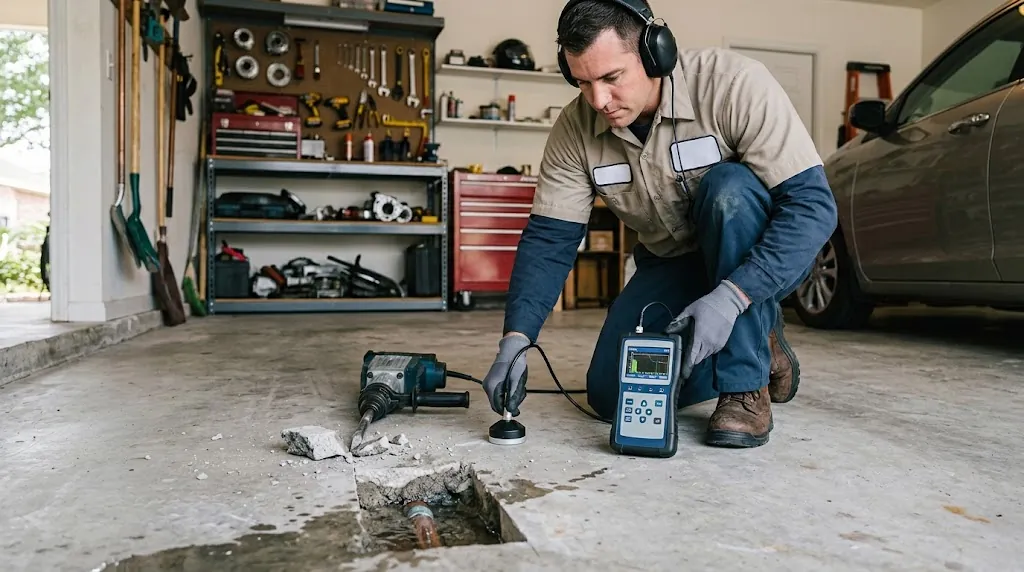
We place these on the floor or pipe to hear the sound of water escaping under pressure. They work through concrete and soil, which makes them the first tool we reach for on underground drain leaks.
FLIR cameras show temperature differences caused by moisture. We scan walls, ceilings, and floors to find the wet zone fast, then narrow it down with acoustic gear. It's the quickest way to cover a large area.
For leaks that acoustic and thermal methods can't pin down, we introduce a safe tracer gas into the drain line and follow it with a Sewerin detector. It locates the leak within inches, even under a slab.
A RIDGID camera goes inside the drain line and shows us the crack, offset joint, or root intrusion on a monitor. You see what we see. It's how we confirm the leak before we quote the repair.
We isolate sections of the drain or supply line and pressurize them to confirm whether they hold. Every repair we make gets a final pressure test before we pack up. It's how we know the job is done.
These give us a numeric reading of moisture content in wood, drywall, and concrete. We use them to map the wet zone and to check after the repair that everything has dried to a safe level.
Ultrasonic detectors pick up high-frequency sounds that the human ear can't hear. We use them on pressurized lines and gas lines where a small leak can be hard to locate by sound alone.
We listen to the pipe under pressure with acoustic listening devices, moving along the line until the sound peaks. That peak is the leak. It's non-invasive and works through concrete, which makes it ideal for slab leaks and underground water line leaks in Nashua.
We scan the suspect area with a FLIR camera and look for temperature anomalies caused by evaporating moisture. Cool spots on a warm wall or warm spots on a cool floor point us to the leak. We then confirm with a camera or acoustic gear.
We fill the drain line with a safe tracer gas, then sweep the area with a Sewerin detector. Where the gas escapes, the pipe is broken. It's the most precise method for leaks under slabs or deep underground, and we use it when other methods leave doubt.
We isolate a section of the drain or supply system, pressurize it with gauges, and watch for pressure drop. A drop means a leak in that section. It's how we confirm a repair holds and how we narrow down which branch is failing.
A RIDGID pipe inspection camera travels the inside of the drain line and sends video to a monitor. We see cracks, root intrusion, offsets, and blockages directly. It's the final confirmation before we cut or dig, and it documents the problem for your records.

We run a camera down the floor drain and pressure test the branch line to the main. If the cast iron is cracked, we document it with photos so you can negotiate the repair into the sale. The inspection takes about 90 minutes. You know exactly what you're buying and what it costs to fix. No surprises after closing.
We check the washing machine drain connection, the standpipe, and the floor drain gasket. Most of these turn out to be a failed gasket or a loose clamp. We replace the part and pressure test the line the same visit. Dry floor, no more musty smell, and a repair that costs less than a new washer.
We do a full fixture sweep with moisture meters, then move to acoustic listening devices if nothing shows. If it's an underground water line leak or a slab leak, we use tracer gas to pinpoint it. We mark the floor before we cut. The leak gets found and fixed, and your next water bill tells the story.
We schedule after-hours detection so the business doesn't lose a day. A camera inspection finds the blockage or break, and we handle the repair with commercial-grade parts. We document everything for your property file. The tenant stays open, the leak is fixed, and you have the paperwork for your insurance or owner.
Nashua's housing stock splits into two problems. The older neighborhoods, French Hill, Crown Hill, and the Tree Streets, still have original cast iron drain lines that crack at the joints after decades of freeze-thaw cycles. The newer builds off Exit 8 and in Nashua Highlands use PVC pipe and PEX tubing, which fail differently, usually at glued joints or where the line passes through a foundation. We keep parts for both on the truck. Spring rain raises the water table in the Mine Falls area, which can make an underground water line leak show up as a wet basement. Winter freezes cracked a lot of drain lines last season, and we expect the same this year. If you need drain line leak detection Nashua New Hampshire done right, we know where to look first. We pull the right permits when the repair requires it, and we work to NH plumbing code.
Mostly 1900s triple-deckers with original cast iron drains. We find cracked joints and failed floor drain gaskets here more than anywhere else in Nashua.
Older homes with clay tile sewer laterals. Root intrusion is common, and we run a camera before recommending any repair.
Newer construction with PVC and PEX. Leaks here are usually at glued joints or where the line meets the foundation.
A mix of commercial and residential. We schedule after-hours detection for the businesses so they don't lose a day.
Newer builds with slab-on-grade construction. Slab leaks show up as warm spots on the floor, and we use thermal imaging to confirm.
Water seeps into the joint and expands when it freezes, widening the crack. By spring, the joint is leaking steadily. We see a spike in drain leak calls every March and April.
When the water table rises, it can mask a drain leak or make a small one look bigger. We pressure test to separate ground water from a real pipe failure.
Clay tile cracks and shifts, letting roots in. A camera inspection is the only way to know if the line is leaking or just blocked. We check before quoting any repair.
A leak under a slab has nowhere to go but up. Thermal imaging shows the wet spot on the floor, and we cut one small access point instead of breaking the whole slab.
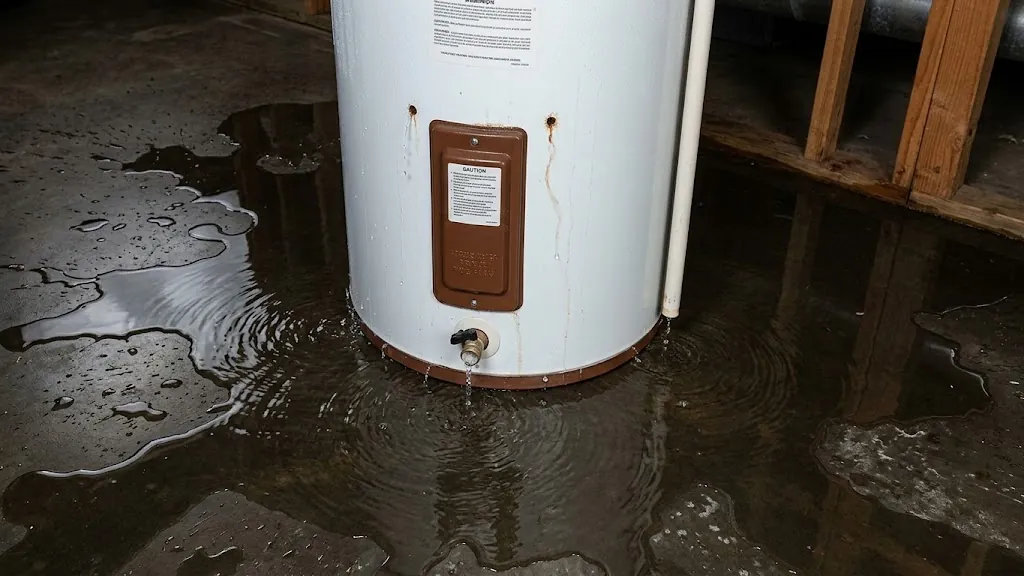
A homeowner in French Hill had a damp basement floor near the floor drain for months. A dehumidifier ran constantly and the musty smell never went away. The water bill was $40 a month higher than the year before.
We ran a camera down the floor drain and found a cracked cast iron joint under the slab. We cut one 12-inch access hole, replaced the joint with PVC and a new gasket, and pressure tested the line. The repair took four hours. The next water bill was back to normal.
Maintenance: We recommended a yearly floor drain flush and a visual check of the drain grate. Cast iron will keep aging, so an annual look catches the next joint before it fails.
A Crown Hill homeowner noticed a brown stain spreading on the kitchen ceiling under the upstairs shower. The shower pan felt soft near the drain, and water dripped only when the shower ran. Two other plumbers had quoted a full pan replacement.
We used thermal imaging to confirm the wet zone, then a camera to check the drain shoe and overflow gasket. The pan liner was fine. The drain seal had failed. We replaced the gasket and resealed the drain for under $400. The stain stopped spreading within a day.
Maintenance: We told them to check the drain for movement twice a year and to avoid standing on the drain flange. A $12 gasket every few years beats a $3,000 pan replacement.
A family in Nashua Highlands saw their water bill jump by $120 in one quarter with no visible leak. The yard stayed green in a dry spell, which was the clue. The line from the meter to the house was losing water underground.
We used acoustic listening devices and tracer gas to pinpoint the leak within six inches. We excavated a two-foot square, replaced a failed section of copper pipe with PEX, and pressure tested the line. The whole job took one day. The bill dropped back to normal the next cycle.
Maintenance: We marked the repair location on a site map for the homeowner. If the line fails again, we know exactly where to dig. We also recommended a pressure test every two years.
Most drain leaks start small and stay hidden until the damage is expensive. Here are the four calls we get most often in Nashua and how we handle them.
The concrete around the drain stays wet, the seal fails completely, and water starts wicking into the slab and adjacent flooring. Left alone, you're looking at a cracked slab and mold. We pull the drain grate, inspect the gasket and the connection to the main line, and pressure test the branch. Most floor drain leak detection Nashua jobs end with a new gasket and a resealed connection, done in under two hours.
A shower or tub drain leaking slowly rots the subfloor and the ceiling below. By the time the stain shows, the wood is usually soft and the fix is bigger than it needed to be. We use thermal imaging to confirm the wet zone, then a camera to find the exact failure at the drain shoe or overflow gasket. We repair the drain, and you handle the drywall patch. We tell you what to watch for after.
A hidden drain leak or a running toilet can add $50 to $100 a month. If it's underground, you won't see it until the ground settles or the line backs up. We start with a whole-house fixture check and moisture meter readings, then move to acoustic listening devices and tracer gas if the leak is underground. We locate it, mark the spot, and repair the section. Most customers see the bill normalize within one cycle.
A cracked drain line or a failed floor drain trap lets sewer gas into the house. It's a health issue, not just a smell, and it usually means the line is leaking somewhere below the floor. We run a pipe inspection camera through the drain to find cracks, offsets, and root intrusion. Once we see the problem, we quote the repair. Nashua's older clay tile lines are the usual cause, and we've repaired hundreds of them.
Nashua LeakDetectors has been locating and repairing drain leaks since 2010. That's 16 years of crawling under sinks in Crown Hill, cutting slabs in the South End, and chasing underground water line leaks through Nashua's older neighborhoods. Our technicians hold a NH Master Plumber License and Backflow Prevention Certification, and we train on the same electronic leak detection equipment used by municipal water departments. We've worked on everything from 1920s cast iron drains to new PEX builds off Exit 8. When you call, you get a tech who has seen your exact problem before.
We had a musty smell in the basement for weeks and couldn't figure it out. Nashua LeakDetectors came out, ran a camera down the floor drain, and found a cracked cast iron joint under the slab. They showed me the screen, cut one small hole, and had it repaired the same day. Water bill dropped $60 the next month.
Our shower had been leaking into the ceiling below for who knows how long. They used a thermal camera and found it in 20 minutes. It was a failed pan liner, not the drain itself, and they explained the difference without trying to upsell me. Fair price, clean work, and they patched the ceiling access neatly.
I manage six buildings in Nashua and use these guys for all my drain leak calls. They show up when they say they will, they document everything with photos for my files, and their detection gear actually finds the leak instead of guessing. Saved me from replacing a tenant's floor twice now.
Most drain leak detection visits in Nashua run $250 to $550 in 2026, depending on how many fixtures we check and whether we need a camera or tracer gas. If we find the leak and you approve the repair, we credit the detection fee toward the work. Simple floor drain leak detection Nashua jobs often land at the low end; underground main line hunts cost more because they take longer.
The three most common causes we find in Nashua are failed floor drain gaskets, cracked cast iron joints from freeze-thaw movement, and root intrusion in older clay or PVC pipe. A shower drain leak detection Nashua call often turns up a dried-out seal that just needs replacing. If the leak is under a slab, it's usually a pinhole in copper pipe or a shifted joint.
Yes. We use acoustic listening devices to hear the water escaping, tracer gas detectors to follow the line, and a pipe inspection camera to see the break. For slab leaks and underground water line leaks, we combine thermal imaging with pressure testing gauges to narrow the location to within a few inches. We mark the floor before we cut so you know exactly what we're doing.
We do. Nashua LeakDetectors holds a NH Master Plumber License and has handled drain leak repair in Nashua since 2010. We fix floor drains, shower drains, toilet flanges, and main drain lines, and we pressure test every repair before we leave. Call 603 571 4078 and we'll schedule a same-day visit, usually within two to four hours.
Not seeing your question? Our local team can help you understand urgency, scheduling and what to expect.
Ask the local team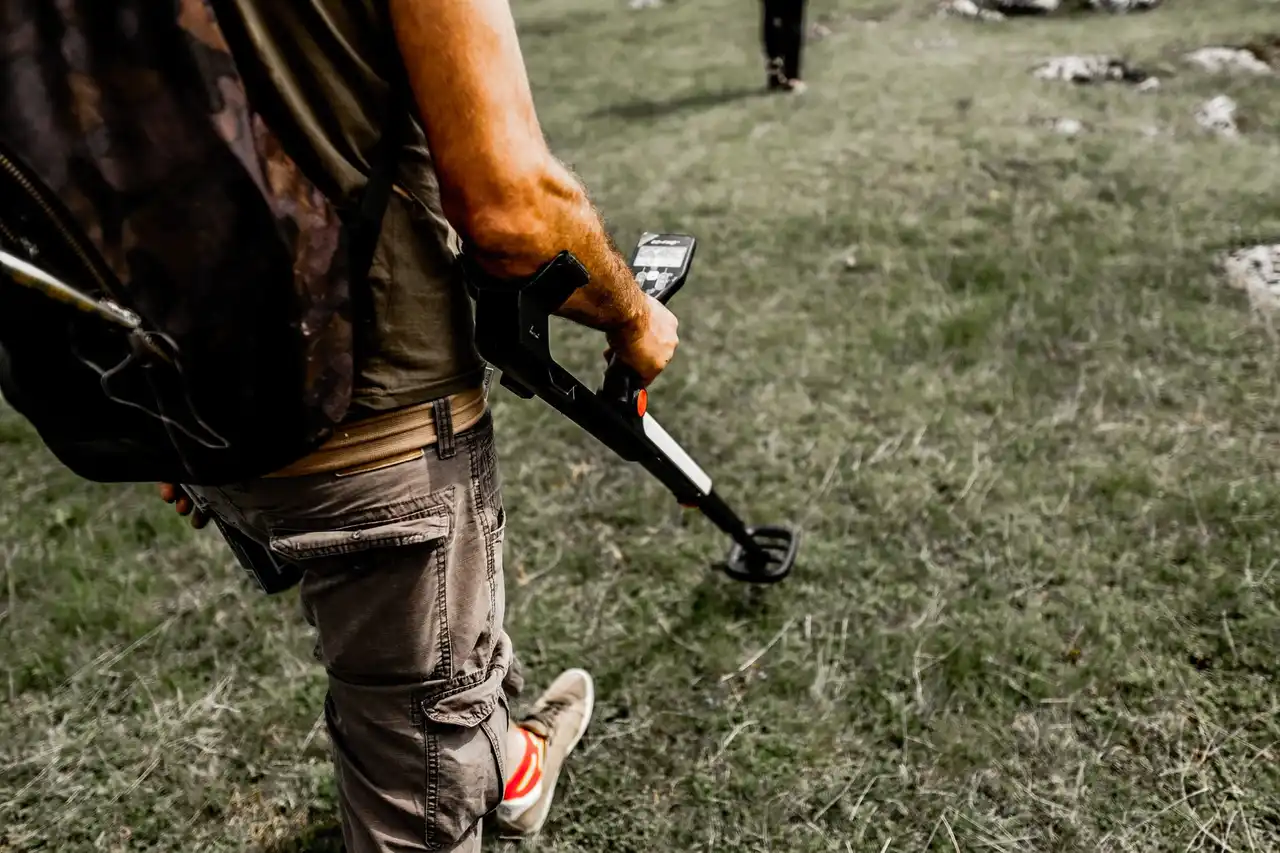
Whole-home leak detection for Nashua homeowners covers drain lines, supply lines, and fixtures in one visit. If we're already there for a drain leak, we can sweep the rest of the system for $150 more and catch the next problem before it soaks your ceiling.
View serviceNashua restaurants, laundromats, and office buildings run heavy drain loads. We schedule commercial drain leak detection after hours so you don't lose a day of business, and we document everything for your property manager or insurance file.
View service
When a drain leak sits under a concrete slab, we use thermal imaging and acoustic gear to find it without breaking the whole floor. We cut one small access point, repair the line, and patch the slab. Most Nashua slab jobs finish in a single day.
View service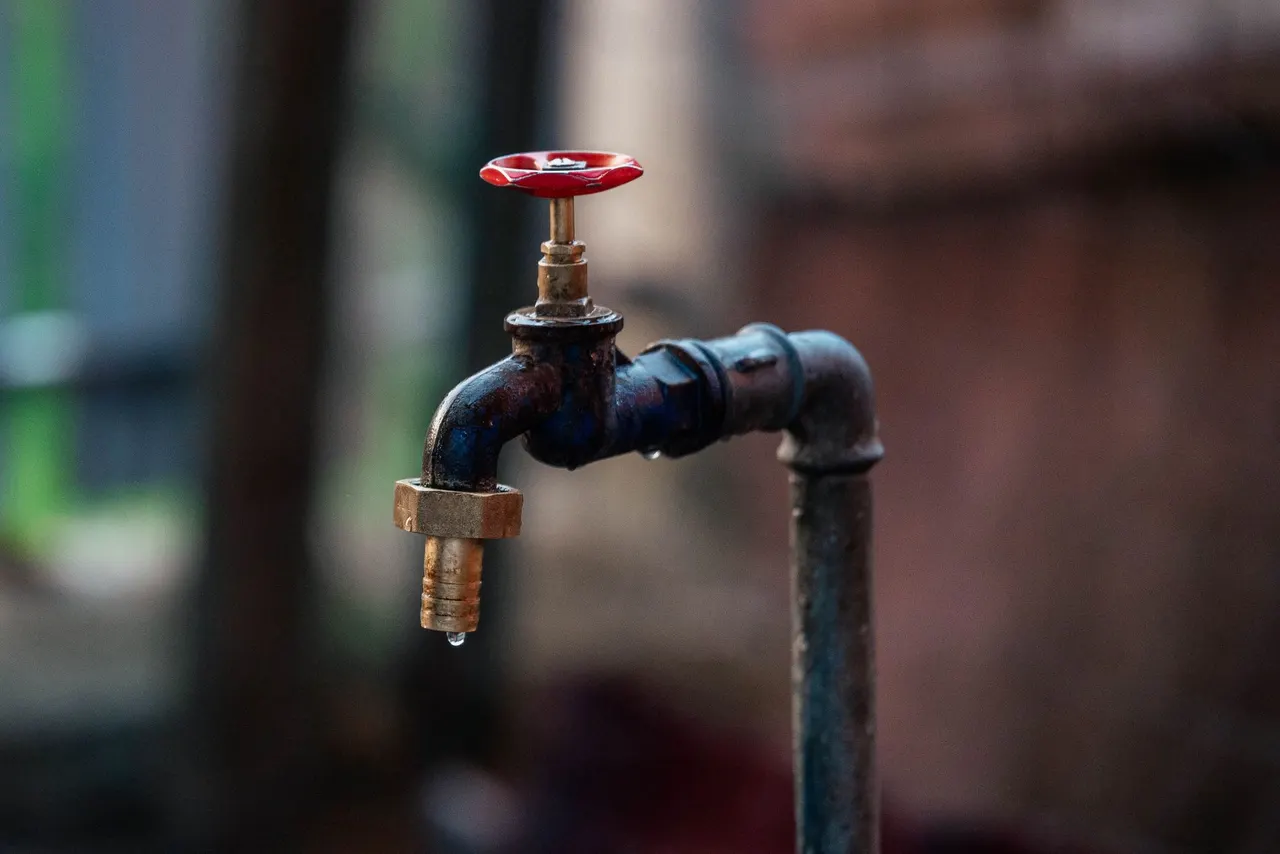
Pool drains and return lines leak too, and the water loss looks like evaporation until we test it. We pressure test the lines and use dye testing to separate a pool shell leak from a plumbing leak, so you fix the right thing the first time.
View service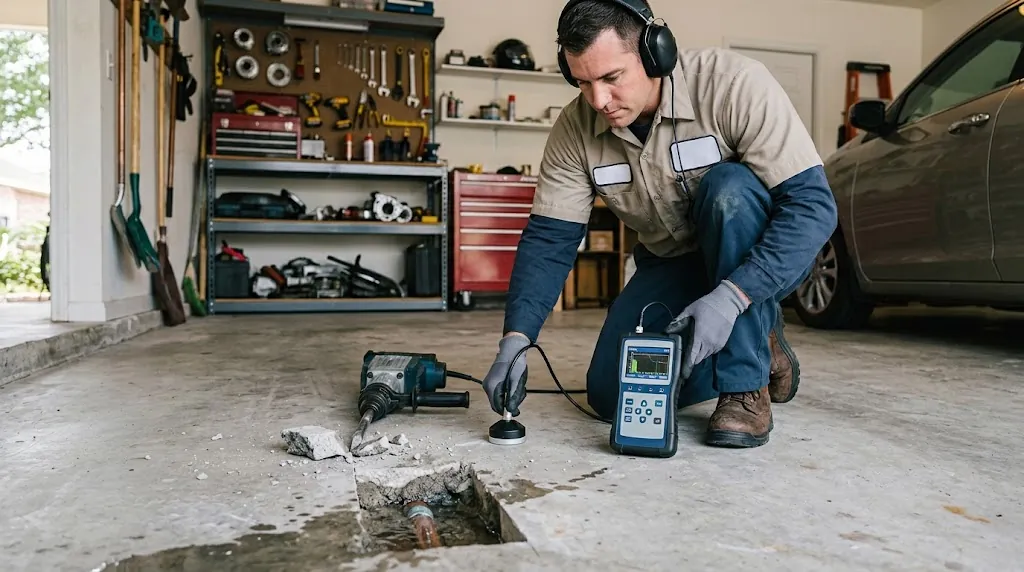
Call 603 571 4078 any hour, day or night, and a real person answers. We schedule same-day appointments for most leak calls in Nashua and the surrounding Hillsborough County area, and we confirm your window before we roll a truck.