How to detect a pool leak before summer in Nashua
A Nashua pool that loses more than two inches of water a week is probably leaking. Here is how to confirm it before summer and what to do next.
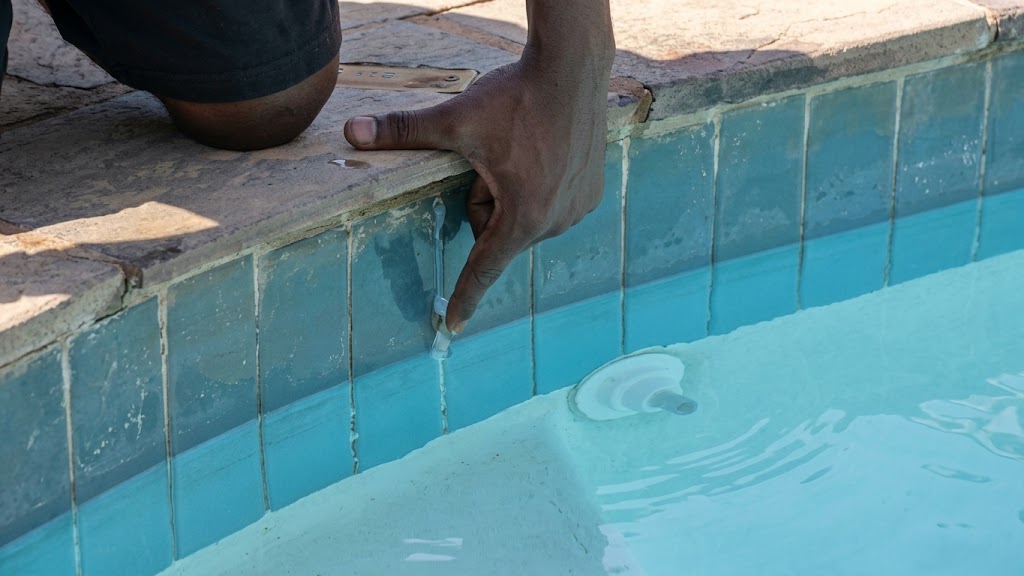
A pool that loses more than two inches of water in a week is almost certainly leaking, not evaporating. If your Nashua pool dropped that much during last September's warm spell, you have a leak that will only get worse once the family starts swimming again next June. This guide covers the exact tests we run, the signs Nashua homeowners miss, and when it is time to bring in a professional.
We are Nashua LeakDetectors, and we have crawled around enough pool decks in this city to know that most leaks start small and hide well. The good news: you have all fall and winter to find it before the first cannonball.
Why Nashua pools leak more than owners expect
Nashua sits in a freeze-thaw corridor that punishes pool plumbing every single winter. When the ground around your pool shell drops to 20°F and then warms to 45°F a week later, the soil moves. That movement stresses PVC return lines, skimmer throats, and light niches. By the time spring arrives, a hairline crack that was invisible in October has opened to the point where you are adding water every other day.
We also see a lot of pools built in the 1980s and 1990s in neighborhoods like Crown Hill and the French Hill area. Those pools are now on their second or third pump and filter, but the underground plumbing is original. Original plumbing in a 35-year-old pool is going to have at least one failure point. That is not pessimism; that is just how gaskets and schedule-40 PVC age in New Hampshire.
Another local factor: our soil. Nashua has heavy clay in many parts of the city, especially west of the Nashua River. Clay holds water against the pool shell long after a leak starts, which means you may not see a wet spot in the yard until the leak has been running for months. The water has to fill the clay before it reaches the surface.
If you have ever wondered whether your pool is losing water faster than it should, a professional pool leak detection Nashua NH inspection takes about two hours and gives you a definitive answer.
How do I detect a pool leak before summer in Nashua?
You detect a pool leak before summer in Nashua by measuring water loss over 24 hours with the pump off, then comparing that number to the normal evaporation rate for our climate. Normal evaporation in Nashua from May through September runs about a quarter inch per day, or roughly 1.5 to 2 inches per week. Anything beyond that is a leak until proven otherwise.
Here is the exact test. Mark your water level on the skimmer faceplate with a piece of tape at the same time two days in a row. Keep the pump off for the full 24 hours, and keep the pool uncovered. If the water drops more than a half inch in that window with no swimming and no rain, you have a leak.
Do this test in October or November if you can, before you close the pool. Finding the leak now means you can schedule the repair in April instead of scrambling in July when every pool company in Hillsborough County is booked solid.
One more thing: if you have an irrigation system leak detection Nashua NH concern as well, test your sprinkler zones separately. A broken irrigation head near the pool deck can mimic a pool leak and send you chasing the wrong problem.
What are signs of a pool leak in Nashua NH?
The signs of a pool leak in Nashua NH show up in three places: the water level, the equipment pad, and the ground around the pool. Check all three before you assume the worst.
Water level signs:
- You add more than two inches of water per week in July or August.
- The water drops overnight, even when the pool is covered.
- You have to top off the pool more often than you did three summers ago.
- The water level stabilizes just below the skimmer or just below the return jets, which points to a leak at that exact height.
Equipment pad signs:
- The pump loses prime overnight or after sitting idle for a few hours.
- You see wet spots under the pump, filter, or heater that reappear after you dry them.
- The pressure gauge on your filter reads 5 to 10 PSI lower than normal.
- Your chemical demand spikes. A 20,000-gallon pool that suddenly needs double the chlorine is losing water and adding fresh fill water.
Ground and deck signs:
- Soft, spongy spots in the lawn between the pool and the equipment pad.
- Paver stones or concrete sections around the pool that have settled or heaved.
- Persistent dampness in one area of the deck, even during dry stretches.
- Unexplained algae blooms in one corner of the pool, which often means fresh water is entering there.
If you check two or more boxes on that list, you are not dealing with evaporation. You are dealing with a leak that will cost more to fix in June than it will in November.
Simple tests you can run yourself this weekend
You can narrow down a pool leak to one of three zones in about an hour using nothing but a bucket, a grease pencil, and your eyes. We walk homeowners through these tests on every residential leak detection Nashua NH call, and they save time on the diagnostic.
The bucket test
Fill a five-gallon bucket with pool water and set it on the first step of the pool so the water inside the bucket is at the same level as the pool water. Mark both levels with tape. Wait 24 hours with the pump off. If the pool level drops more than the bucket level, you have a leak. If they drop together, you are looking at evaporation.
The dye test
This one finds leaks in the shell, skimmer, or light niche. With the pump off and the water calm, squirt a small amount of food coloring near the suspect area. If the dye gets pulled into a crack or fitting, you have found your leak. Check the skimmer throat, the return fittings, the light niche, and the main drain. Those are the four spots where 80 percent of shell leaks hide.
The pump-off vs. pump-on test
Run the pool for 24 hours with the pump on and mark the level. Then run it 24 hours with the pump off and mark again. If the pool loses more water with the pump on, the leak is in the pressure side of the plumbing, meaning the return lines. If it loses more with the pump off, the leak is in the suction side, meaning the skimmer line or main drain line.
Write down your numbers. When you call us, those numbers tell us whether to bring the acoustic listening gear or the pressure testing rig first.
Common mistakes Nashua homeowners make
The biggest mistake is assuming a leak will seal itself over the winter. It will not. Freeze-thaw cycles make small leaks bigger, and by the time you open the pool in May, a $400 repair has become a $2,500 repair that involves jackhammering the deck.
The second mistake is adding water and ignoring the cause. If you are running a hose into the pool twice a week, you are also adding fresh water that throws off your pH, alkalinity, and cyanuric acid. That is why so many leaking pools also have chronic algae problems.
The third mistake is calling a pool builder when you should call a leak detection specialist. Pool builders are great at building pools. Finding a pinhole leak in a return line under 18 inches of clay is a different skill set. We use acoustic listening equipment, pressure testing, and thermal imaging to pinpoint the leak before anyone picks up a shovel.
One more: do not assume the leak is in the pool. We have found plenty of "pool leaks" that turned out to be a failing water line leak detection Nashua NH issue on the fill line, or a sewer line break that was pulling water away from the pool area. If your water bill spiked and the pool is losing water, test both.
When to call a professional
Call a professional when you have confirmed water loss with the bucket test and you cannot see the leak with a dye test. That combination means the leak is underground or inside the pool shell, and no amount of food coloring is going to find it.
You should also call us if the pool is losing more than an inch per day, if the pump keeps losing prime, or if you see settlement around the pool deck. Those are signs that the leak has been running long enough to move soil, and moving soil around a pool shell is a structural problem, not just a plumbing problem.
Our team handles pool leak detection across Nashua and the surrounding towns. We find the leak, fix it, and test the line before we leave. If you want a full picture of everything we do, start with Leak Detection Nashua NH and we will point you to the right service.
If your pool shares plumbing with a pool house or cabana, we also handle commercial leak detection Nashua NH for shared facilities, HOA pools, and small motels along the Route 3 corridor.
Frequently Asked Questions
How do I detect a pool leak before summer in Nashua?
Mark your water level, keep the pump off for 24 hours, and measure the drop. More than half an inch in a day, or more than two inches in a week, means you have a leak. Confirm with a bucket test, then call a leak detection specialist if the dye test does not show anything.
What are signs of a pool leak in Nashua NH?
The main signs are water loss beyond normal evaporation, a pump that loses prime, wet spots near the equipment pad, and soft spots in the lawn. You may also see higher chemical demand, algae in one corner, or settled pavers around the pool deck.
Can I find a pool leak myself in Nashua?
You can find leaks in the skimmer, return fittings, light niche, and main drain with a dye test. Underground line leaks and shell cracks usually require acoustic listening gear, pressure testing, or thermal imaging. If your dye test comes up empty and you are still losing water, it is time to call us.
Who fixes pool leaks in Nashua New Hampshire?
Nashua LeakDetectors fixes pool leaks across Nashua and Hillsborough County. We locate the leak first with non-invasive equipment, then repair the line or shell and pressure-test it before we leave. Call 603 571 4078 to schedule a diagnostic.
How much does pool leak detection cost in Nashua?
Typical 2026 pricing for a pool leak detection inspection in Nashua runs $350 to $600 depending on pool size and access. The repair itself is quoted separately once we know whether the leak is in the shell, the plumbing, or the equipment pad.
Get help with Leak Detection in Nashua
You have all winter to find and fix a pool leak before the first swim of 2027. Do not wait until June, when the pool is open, the kids are asking, and every repair crew in Nashua is three weeks out.
Call Nashua LeakDetectors at 603 571 4078. We will find the leak, tell you exactly what it takes to fix it, and get your pool ready for summer.